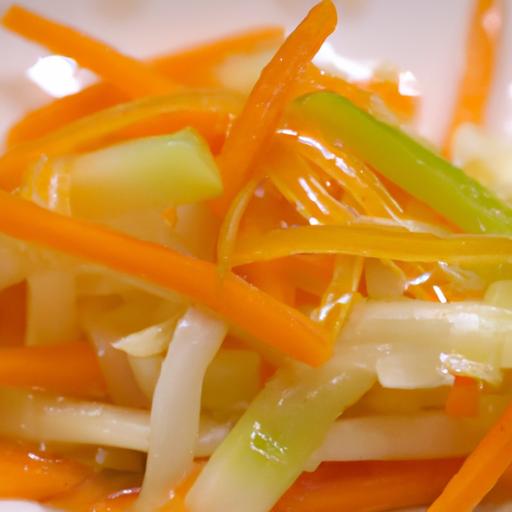

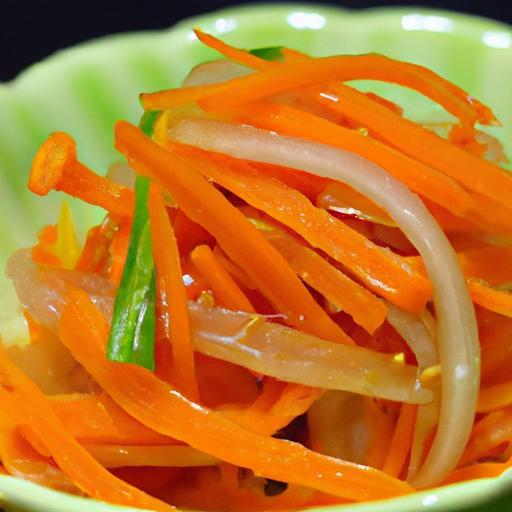
In the vibrant tapestry of Vietnamese cuisine, a humble yet unforgettable duo steals the spotlight with every bite: pickled daikon and carrot. Known for their radiant colors and lively crunch, these zesty strands offer more than just a fresh contrast to rich and savory dishes-they carry the tangy essence of tradition and history. Whether nestled within a bánh mì, accompanying a bowl of pho, or enjoyed as a vibrant side, Vietnamese pickled daikon and carrot are much more than simple garnishes. They are a celebration of balance, a dance of flavors that awakens the palate and honors centuries-old culinary artistry. Join us as we explore the origins, preparation, and cultural meaning of this tangy tradition that continues to enliven tables across Vietnam and beyond.
Zesty Vietnamese pickled daikon and carrot is a culinary gem that has enchanted taste buds across generations, delivering a perfect tangy harmony of sweet, sour, and crunchy textures.This vibrant condiment, known as “đồ chua,” traces its origins to Northern Vietnam, where it has long been cherished not onyl as a palate cleanser but also as a symbol of balance and freshness in Vietnamese cuisine. Its lively hues and irresistible tang elevate everything from classic bánh mì to fresh spring rolls, bringing brightness and zest to every bite.
Prep and Cook Time
Preparation: 15 minutes
resting time: 3 hours to overnight
Total time: 3 hours 15 minutes+
Yield
Approximately 2 cups of pickled daikon and carrot, enough to accompany 4-6 servings.
Difficulty Level
Easy – Perfect for beginner and experienced cooks alike.
Ingredients
- 1 large daikon radish (about 12 oz), peeled and julienned
- 2 medium carrots, peeled and julienned
- 1 cup white distilled vinegar
- 1 cup water
- 3/4 cup granulated sugar
- 1 tablespoon kosher salt
- 1 small dried chili (optional, for subtle heat)
Instructions
- Prepare the vegetables: Peel and julienne the daikon and carrots into uniform thin sticks, approximately 2 to 3 inches long. Uniformity ensures even pickling and a visually appealing mix.
- Salt the vegetables: Toss the julienned daikon and carrot with kosher salt in a large bowl. Let them sit for 30 minutes to draw out excess water, which helps retain their crispness during pickling.
- Rinse and drain: After 30 minutes, rinse the salted vegetables under cold water to remove excess salt, then drain thoroughly using a fine mesh sieve or clean kitchen towel.
- Make the pickling brine: In a small saucepan, combine the white vinegar, water, and sugar. Heat over medium heat, stirring frequently until the sugar dissolves completely. Remove from heat and let cool to room temperature.
- Combine and jar: Place the drained daikon and carrots into a sterilized glass jar or container. Add the optional dried chili for a subtle kick. Pour the cooled brine over the vegetables, ensuring they are fully submerged.
- Pickle: Seal the jar tightly and refrigerate for at least 3 hours, ideally overnight, to allow the flavors to blend and the vegetables to develop that signature tangy crunch.
Tips for Success
- For the crispiest crunch, choose fresh, firm daikon and carrots without blemishes or soft spots.
- Don’t skip the salting step. It’s essential to draw out moisture and maintain the snap.
- If you prefer a milder tang, reduce vinegar by 1/4 cup and increase sugar slightly for a balanced sweetness.
- Use a glass jar or ceramic container for pickling to avoid off flavors and ensure food safety.
- Make-ahead: This pickle tastes even better after 24 hours and can be stored refrigerated up to 3 weeks.
Serving Suggestions
This zesty Vietnamese pickled daikon and carrot is a dynamic addition that enlivens a variety of dishes. Serve a small mound alongside bánh mì sandwiches for an authentic crunch and acidity that cuts through rich ingredients like pâté and mayonnaise. Sprinkle over fresh spring rolls or grilled meats to balance fatty profiles with bright acidity. Garnish salads or noodle bowls with this colorful pickle for an inviting burst of flavor. For an entertaining twist, include it as part of an Asian-inspired antipasto platter alongside pickled cucumbers, spicy kimchi, and steamed bao buns.
| Nutrient | Per 2 tbsp Serving |
|---|---|
| Calories | 25 |
| Protein | 0.3 g |
| Carbohydrates | 6 g |
| fat | 0 g |

Discover More Vietnamese Flavors
Explore how to make tasty fresh Vietnamese spring rolls that pair beautifully with this tangy pickle. For deeper insight into conventional pickling methods,visit Serious Eats’ comprehensive pickling guide.
Q&A
Q&A: Zesty vietnamese Pickled Daikon & Carrot – A Tangy Tradition
Q1: What exactly is Vietnamese pickled daikon and carrot?
A: Vietnamese pickled daikon and carrot, often called đồ chua, is a vibrant and tangy condiment made by soaking julienned daikon radish and carrot in a sweet and sour brine. This simple yet flavorful pickle adds a refreshing crunch and a zesty punch to a variety of Vietnamese dishes.
Q2: Why is this pickle so important in Vietnamese cuisine?
A: Đồ chua is more than just a garnish-it’s a flavor bridge that balances rich, savory dishes with its bright acidity and subtle sweetness. Whether layered inside a crispy bánh mì sandwich, accompanying grilled meats, or served with rice paper rolls, it adds a burst of freshness that elevates every bite.
Q3: How is this pickle traditionally made?
A: The classic recipe involves thin strips of daikon and carrot soaked in a mixture of vinegar, sugar, salt, and sometimes a splash of water. After a brief marinating period, frequently enough a few hours to overnight, the veggies absorb the tangy sweetness while retaining their satisfying crunch.
Q4: Can you describe the flavor profile?
A: Imagine a harmonious dance of tartness and sweetness, with a crisp texture that snaps in your mouth. The vinegar’s acidity cuts through greasy or heavy flavors while the sugar tempers it into a mild, zesty delight. The subtle earthiness of the daikon paired with the natural sweetness of carrot creates a perfectly balanced bite.Q5: Are there variations to this pickle across Vietnam?
A: Absolutely! While the core concept remains the same, some regional versions might add a touch of chili for heat, ginger for warmth, or even a hint of garlic for depth. The type of vinegar-rice vinegar being most common-may also vary, influencing the final taste.
Q6: How can I incorporate zesty pickled daikon and carrot into my cooking?
A: The possibilities are endless! Splash it atop bánh mì for that iconic crunch, mix it into fresh salads, serve it alongside grilled pork or seafood, or use it as a tangy topping for noodle bowls. It’s a speedy way to add brightness and texture to any meal craving a bit of zing.
Q7: Is it arduous to make at home?
A: Not at all! With just a handful of ingredients and a bit of patience, you can whip up your own batch in under an hour. Plus, once made, it keeps well in the fridge for days, so you have a ready-made punch of zest anytime you wont.
Q8: What health benefits does this pickle offer?
A: Beyond its delicious taste, the pickled vegetables provide fiber, vitamins A and C, and beneficial probiotics if fermented naturally. The combination of fresh veggies and vinegar also aids digestion, making it as nourishing as it is tasty.
Q9: Can I experiment with other vegetables in this style of pickling?
A: Definately! While daikon and carrot are the stars, other crisp veggies like cucumber, green papaya, or even radishes can join the party. The key is keeping the veggies thinly sliced and maintaining the balance of tangy-sweet brine.
Q10: Why is this humble pickle considered a tangy tradition?
A: As it has been woven into Vietnamese culture for generations, embodying both simplicity and vibrancy. It’s a condiment that celebrates fresh ingredients, preserves produce magnificently, and brings family meals to life with a bright pop of flavor-proof that sometimes the smallest details carry the richest stories.
In Summary
As the vibrant crunch of zesty Vietnamese pickled daikon and carrot dances across your palate, you’re not just tasting a condiment-you’re savoring centuries of tradition, culture, and culinary artistry. This tangy, crisp duo transcends mere flavor; it’s a bridge connecting the past to the present, bringing brightness to every dish it accompanies. Whether nestled in a banh mi, topping a fragrant bowl of pho, or enjoyed straight from the jar, these pickles remind us that sometimes, the simplest ingredients combine to create the most enduring and delightful experiences. Embrace this tangy tradition,and let your taste buds take a flavorful journey through Vietnam’s rich and vibrant heritage.