


In a world where wellness trends ebb and flow like the tides, one lifestyle choice continues to rise wiht unwavering momentum: the plant-based vegan diet. More than just a dietary preference, it embodies a powerful shift toward nurturing our bodies, honoring the planet, and embracing vibrant health. Unlocking wellness through plants isn’t merely about what we eat-it’s about rediscovering the profound connection between food and vitality. This article will explore how adopting a plant-based vegan diet can transform your life, fueling energy, enhancing longevity, and cultivating a deeper sense of well-being rooted in nature’s purest offerings.
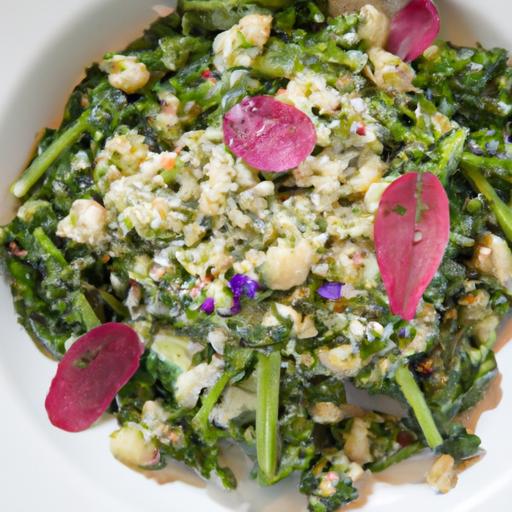
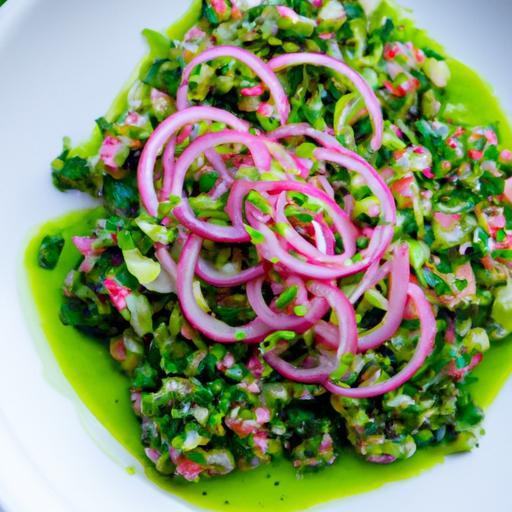
Unlocking Wellness: The Power of a plant-Based Vegan Diet shines through in this vibrant and nutrient-dense Superfood Buddha Bowl. This dish exemplifies how antioxidants and phytochemicals work harmoniously to nourish your body, while making the transition to a vegan lifestyle both achievable and exciting. Inspired by global flavors and my journey embracing plant-based cooking, this bowl is a colorful, energy-boosting meal designed to fuel your wellness goals with every bite.
Prep and Cook Time
Prep: 20 minutes Cook: 25 minutes Total: 45 minutes
Yield
serves 4 hearty portions
Difficulty Level
Easy to Medium - Perfect for beginners easing into vegan cooking or seasoned plant-based enthusiasts
ingredients
- 1 cup quinoa,rinsed and drained
- 2 cups water or vegetable broth
- 1 medium sweet potato,diced into 1-inch cubes
- 2 cups kale,chopped,stems removed
- 1 cup cooked chickpeas (or canned,rinsed and drained)
- 1/2 cup shredded red cabbage
- 1 avocado,sliced
- 1/4 cup sliced almonds,toasted
- 1 medium carrot,julienned
- 1/4 cup fresh parsley,roughly chopped
- 2 tablespoons extra virgin olive oil
- Juice of 1 lemon
- 1 teaspoon smoked paprika
- 1 teaspoon ground cumin
- 1/4 teaspoon sea salt
- Fresh cracked black pepper,to taste
- 1 tablespoon nutritional yeast (optional,for umami and B12 boost)
Instructions
- Prepare the quinoa: In a medium saucepan,combine quinoa and water or vegetable broth. Bring to a boil, then reduce heat to low, cover, and simmer for 15 minutes or until liquid is absorbed. Remove from heat and fluff with a fork.
- Roast the sweet potatoes: Preheat your oven to 400°F (200°C). Toss diced sweet potato with 1 tablespoon olive oil, smoked paprika, cumin, salt, and pepper. Spread evenly on a baking sheet and roast for 20 minutes, flipping halfway, until tender and caramelized on edges.
- Sauté the kale: Heat remaining olive oil in a large skillet over medium heat.Add chopped kale and a pinch of salt. sauté until wilted and bright green, about 4-5 minutes. Set aside.
- Assemble the bowl: Divide quinoa evenly into four bowls. Arrange roasted sweet potatoes, sautéed kale, chickpeas, red cabbage, carrots, and avocado slices around the quinoa center.
- Add toppings: Sprinkle each bowl with toasted almonds, fresh parsley, and nutritional yeast if using. Drizzle with fresh lemon juice for a vibrant brightness.
- Final touch: Season with additional cracked black pepper or extra lemon juice as desired. Enjoy promptly for maximum freshness,texture,and flavor.
Chef’s Notes
- Try swapping quinoa for brown rice or millet for different textures and nutrient profiles.
- Pre-roast sweet potatoes in larger batches for fast weekday meals.
- Nutritional yeast adds a cheesy depth, but feel free to omit if preferred or allergic.
- Add a spoonful of tahini or a drizzle of your favorite vegan dressing to intensify flavor layers.
- For extra detoxifying benefits, sprinkle a pinch of turmeric and black pepper when roasting sweet potato.
Serving Suggestions
This Superfood Buddha Bowl is a feast for the eyes and the body. Serve it on a rustic wooden board or in deep,vibrant ceramic bowls to highlight the kaleidoscope of colors. Garnish with edible flowers or microgreens for an elegant touch perfect for brunch or a nourishing lunch. Pair with chilled herbal tea or sparkling water with lemon to keep your meal refreshing and light.
| Nutrient | per Serving |
|---|---|
| Calories | 430 kcal |
| Protein | 15 g |
| Carbohydrates | 55 g |
| Fat | 14 g |

For more inspiration on embracing a vibrant vegan lifestyle,check our Complete Vegan Nutrition Guide. To dive deeper into the science of antioxidants,visit the Harvard T.H. Chan School of Public Health.
Q&A
Q&A: Unlocking Wellness – The Power of a Plant-based Vegan Diet
Q1: What exactly is a plant-based vegan diet?
A1: Imagine your plate as a vibrant garden bursting with colors-fruits, vegetables, grains, nuts, and seeds-without any animal products. A plant-based vegan diet focuses entirely on whole, plant-derived foods, excluding meat, dairy, eggs, and all animal byproducts. It’s not just a diet; it’s a lifestyle rooted in compassion, health, and sustainability.
Q2: How can a plant-based vegan diet unlock wellness?
A2: Wellness thrives when we nourish our bodies with nutrient-rich,unprocessed foods. Plants are powerhouses of vitamins, minerals, antioxidants, and fiber, all working together to boost immunity, improve digestion, reduce inflammation, and support heart health. By embracing this diet, you’re giving your body a natural tune-up, unlocking energy and vitality from the inside out.
Q3: Can going vegan truly improve physical health?
A3: Absolutely! Research links plant-based vegan diets to lower risks of heart disease, type 2 diabetes, certain cancers, and obesity. The abundance of fiber aids digestion and keeps cholesterol in check, while the natural antioxidants combat cellular aging. When you shift towards plants, your body often responds with improved blood pressure, weight management, and glowing skin.Q4: What about protein-will I be lacking?
A4: Far from it! Plants offer a rainbow of protein sources: lentils, chickpeas, quinoa, tofu, tempeh, nuts, and seeds all pack a potent protein punch. It’s all about variety and balance. Combining different plant proteins throughout the day ensures your body gets all essential amino acids, fueling muscles, enzymes, and more.
Q5: Is it challenging to get all necessary nutrients on a vegan diet?
A5: Like any diet, mindfulness is key. While most nutrients are plentiful in plants, B12, vitamin D, iron, calcium, and omega-3 fatty acids deserve special attention. Fortified foods and supplements can fill these gaps, and with proper planning, a vegan diet can be complete and balanced, supporting optimal health.
Q6: How does a plant-based vegan diet impact the habitat?
A6: Choosing plants over animal products is a powerful act of environmental stewardship. Plant farming generally uses less water,generates fewer greenhouse gases,and demands less land than livestock. By shifting your eating habits,you’re not only unlocking personal wellness but also contributing to a healthier planet.
Q7: Can a plant-based vegan diet support an active lifestyle?
A7: Without question! Many athletes thrive on vegan diets, enjoying improved recovery and sustained energy. The abundance of carbohydrates fuels endurance, proteins repair tissues, and antioxidants reduce exercise-induced oxidative stress. Whether you’re hitting the gym or hiking trails, plants have your back.
Q8: How can someone start embracing a plant-based vegan diet without feeling overwhelmed?
A8: Begin with baby steps-add a colorful salad here, swap milk for oat or almond milk there.Experiment with plant-based recipes that excite your taste buds.think of it as a culinary adventure rather than a restriction. Over time, these small changes blossom into a nourishing, joyful lifestyle.
Q9: Are there any unexpected benefits people might experience?
A9: Many report sharper mental clarity, improved mood, and better sleep after transitioning to a plant-based vegan diet. The reduction of processed foods and animal fats can clear brain fog and balance hormones, contributing to emotional and cognitive wellness. It’s wellness that transcends the physical.
Q10: What’s the ultimate message about unlocking wellness through a plant-based vegan diet?
A10: Wellness is a treasure waiting to be uncovered-frequently enough lying on our very plates. Embracing a plant-based vegan diet is not just about what you eat, but how you choose to live: with compassion for yourself, othre creatures, and the Earth. It’s a vibrant path to vitality, resilience, and joyful living. Unlock your wellness, one plant-powered bite at a time.
In Retrospect
As we’ve journeyed through the vibrant landscape of plant-based living, it becomes clear that unlocking wellness is more than just a trend-it’s a transformative way of nurturing mind, body, and planet. Embracing a vegan diet isn’t merely a change in what’s on your plate; it’s an invitation to reconnect with nature’s bounty, harnessing the healing power of plants to fuel vitality and compassion. Whether you’re curious or committed, each plant-based meal is a step toward greater health and a more enduring future. So, why not let this green revolution inspire your next bite-and unlock the wellness waiting within?