
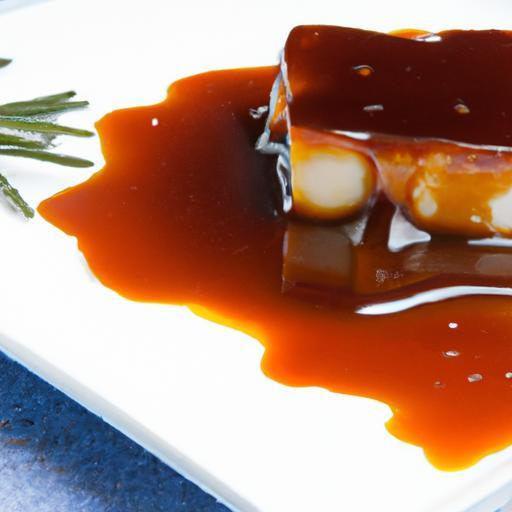
In the vibrant tapestry of Vietnamese cuisine, few ingredients capture the imagination quite like caramel sauce-a luscious, golden elixir that transforms humble dishes into unforgettable experiences. Frequently enough overshadowed by its Western counterparts, Vietnamese caramel sauce (known as nước màu or caramen) holds a unique place, marrying smoky richness with deep, nuanced sweetness. Unlocking the secrets of this culinary gem means diving into a world where sugar is gently coaxed into molten perfection, imparting flavors that are at once bold and balanced. in this article, we journey beyond the surface of ordinary sweetness to discover how Vietnamese caramel sauce elevates everyday meals and desserts alike, revealing the artistry behind its creation and the cultural heritage it carries in every drop.
The Art of crafting Conventional Vietnamese caramel Sauce
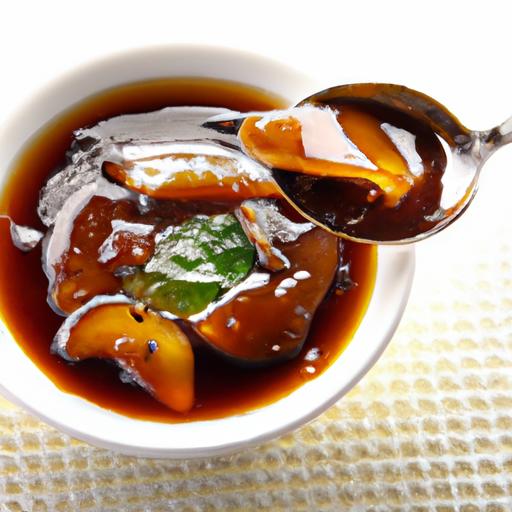
Unlocking Vietnamese Caramel Sauce: Sweetness Perfected opens the door to a magical realm where simple ingredients transform into a luxurious, glossy syrup. The rich, dark amber color and deep, complex flavor of this sauce are the cornerstone of countless Vietnamese dishes, from savory braised pork to indulgent desserts. Growing up in a household where every celebration featured dishes glazed in this caramel elixir, I learned early that mastering its texture and flavor is both an art and a science-one that brings warmth, balance, and unforgettable sweetness to the table.
Prep and Cook Time
- Prep Time: 5 minutes
- Cook time: 15 minutes
- Total Time: 20 minutes
Yield
About 1 cup of rich caramel sauce, enough for 6-8 servings depending on use.
Difficulty Level
Medium – requires attention to heat control and timing, but rewarding and approachable for home cooks.
Ingredients
- 1 cup granulated white sugar
- 2 tablespoons water (to dissolve sugar)
- 1/2 cup boiling water (added later for adjusting consistency)
- 1/4 cup fish sauce (authentic vietnamese brand recommended)
- 1 tablespoon coconut water or filtered water (for subtle sweetness)
- 1 tablespoon unsalted butter (optional, for sheen and richness)
Instructions
- Prepare your workspace. Have all ingredients measured and within reach.Use a heavy-bottomed saucepan to ensure even heat distribution.
- Dissolve the sugar. Combine 1 cup granulated sugar and 2 tablespoons water in the pan over medium heat. Gently stir to help sugar dissolve; once dissolved, stop stirring to prevent crystallization.
- Caramelize the sugar. Allow the sugar water to bubble and darken, watching closely as it transitions from pale gold to a rich amber. This process takes about 5-8 minutes. Swirl the pan gently to promote even cooking, but never stir.
- Add the boiling water carefully. Once the sugar reaches the perfect caramel color, remove the pan from heat briefly and slowly pour in 1/2 cup boiling water. Be cautious,as the mixture will vigorously bubble. Stir gently with a heatproof spatula to combine.
- Incorporate the fish sauce and coconut water. Return the pan to low heat and mix in 1/4 cup fish sauce and 1 tablespoon coconut water. Stir until fully blended and the sauce thickens slightly to smooth, pourable consistency, about 3 minutes.
- Optional richness. Off the heat, stir in 1 tablespoon unsalted butter to add a glossy texture and mellow richness.
- Cool and store. Allow to cool slightly before transferring to a clean jar. Use immediately or refrigerate.
Tips for Success
- Control heat precisely. Caramel can quickly go from perfect to burnt. Medium to medium-low heat and patient observation are key.
- Prevent crystallization. Avoid stirring once the sugar dissolves; if crystals form, wipe down the pan sides with a wet brush during cooking to keep the sugar syrup smooth.
- Use a heavy-bottomed saucepan. This prevents hotspots that cause uneven caramelization.
- fish sauce quality matters. Choose a reputable brand with a balanced savory profile – this is essential for authentic flavor.
- Make ahead. Caramel sauce can be made up to a week in advance; warm gently before using to restore its fluid texture.
Creative Uses for Vietnamese Caramel Sauce in Modern desserts
Unlocking Vietnamese Caramel Sauce: sweetness Perfected isn’t limited to traditional dishes. It lends a sensational depth to contemporary creations:
- Drizzle over vanilla bean ice cream or coconut milk panna cotta for a luscious contrast.
- Use as a glaze for roasted fruit like pineapple or mango, amplifying natural sweetness with savory notes.
- Spoon into cheesecakes or drip across chocolate ganache for an unexpected umami twist.
- Swirl into whipped cream or buttercream frosting for cakes and cupcakes, offering a tantalizingly exotic flavor layer.
- add to coffee or milk tea-based cocktails for a rich caramel complexity.
Tips and Tricks for Storing and Reheating Without losing Quality
- Store in airtight containers. Keep refrigerated to maintain freshness and prevent crystallization.
- Reheat gently. Warm over low heat or in a double boiler, stirring frequently until fluid. Avoid microwave reheating which can cause uneven heating and separation.
- If the sauce thickens too much. Stir in small amounts of warm water or coconut water to regain the ideal pourable consistency.
- Freeze for long-term storage. Freeze in small portions using silicone molds or ice cube trays. Thaw in refrigerator overnight and reheat as described.
| Nutrient | Per 2 tbsp |
|---|---|
| Calories | 90 |
| Protein | 0.2g |
| Carbohydrates | 23g |
| Fat | 0.4g |

For those inspired to explore more savory Vietnamese sauces that complement caramel sauce beautifully, check out our Vietnamese sauce guide. To understand the science behind caramelization, the Science Daily article on caramel chemistry offers a deep dive into how sugars transform under heat.
Q&A
Q&A: Unlocking Vietnamese Caramel Sauce: Sweetness Perfected
Q1: What exactly is vietnamese caramel sauce?
A1: Vietnamese caramel sauce, or nước màu, is a rich, deep-hued syrup crafted by patiently caramelizing sugar until it reaches a luscious amber color. Unlike Western caramel, it often carries a hint of smokiness and complexity, balancing sweet, bitter, and savory notes. this sauce is a culinary cornerstone, infusing dishes with warmth and depth that dance on the palate.
Q2: How is Vietnamese caramel sauce different from regular caramel?
A2: While both begin with sugar, Vietnamese caramel sauce is typically made with palm sugar or rock sugar and sometimes incorporates fish sauce or soy sauce, introducing savory umami elements. The slow caramelization process often includes butter or oil to thicken the sauce, resulting in a glossy, velvety texture that can coat meats or vegetables beautifully – a harmony of sweet and salty that’s uniquely Vietnamese.Q3: What dishes benefit from Vietnamese caramel sauce?
A3: This sauce is a secret weapon in a myriad of Vietnamese dishes. Iconic recipes like thịt Kho Tàu (braised pork belly with eggs) rely on it for that signature sweet-savory glaze. It’s also beloved as a dipping sauce for grilled meats, drizzled over sautéed greens, or even as a finishing touch for caramelized shallots and seafood. Essentially, it’s a flavor unlock that elevates humble ingredients into something sublime.
Q4: Can I make Vietnamese caramel sauce at home?
A4: Absolutely! With patience and a good eye on the heat, you can create this magical sauce right in your kitchen. Start by melting sugar gently until it turns a deep amber-watch carefully to avoid burning. Then slowly add fish sauce or soy sauce, stirring to meld flavors, and finish with a touch of oil.The key is controlling the caramelization stage to achieve that perfect bittersweet complexity.
Q5: Any tips for mastering the caramelization process?
A5: Yes! Use a heavy-bottomed pan to distribute heat evenly and keep your stove at medium-low to prevent scorching. Stir sparingly at first-let the sugar melt undisturbed-to encourage even caramelization.Once it turns amber, quickly and carefully add liquids to stop cooking. Remember, caramelization can transform in seconds, so stay attentive. Mastery comes with practise, patience, and a dash of courage.
Q6: Why is Vietnamese caramel sauce considered “sweetness perfected”?
A6: Because it isn’t just about sugar – it’s an artful dance between sweetness, bitterness, and umami. This balance elevates dishes beyond simple sugary sweetness, crafting layers of flavor that surprise and satisfy. The sauce’s versatility and complexity embody the essence of Vietnamese cuisine: harmony in every bite. It’s sweetness perfected, not by excess, but by thoughtful restraint.
Q7: How does Vietnamese caramel sauce reflect Vietnamese culture?
A7: Much like Vietnam’s culinary heritage, the caramel sauce represents resilience, ingenuity, and balance.Combining humble ingredients with meticulous technique mirrors the country’s ability to transform simplicity into brilliance. It’s a testament to tradition passed down through generations, a sweet thread woven into stories of family, community, and celebration.
Unlocking Vietnamese caramel sauce is unlocking a world where sweetness tells a rich, savory story. Ready your pots and spoons-there’s a perfect caramel adventure waiting to unfold.
Insights and Conclusions
Unlocking vietnamese caramel sauce reveals more than just a recipe-it invites you into a world where simple ingredients transform into a luscious symphony of sweetness and depth. This sauce, with its rich amber hues and velvety texture, is a testament to the art of patience and balance. Whether draped over silky tofu,infused in savory dishes,or enjoyed as a decadent drizzle on desserts,Vietnamese caramel sauce embodies the perfect harmony of sweet and savory. As you embark on your own culinary journey with this golden elixir, remember: mastering its delicate nuances is not just about cooking, but celebrating a tradition where sweetness is truly perfected.