


in the heart of Indian kitchens, a humble batter holds the key to a centuries-old culinary tradition-dosa, the beloved crispy crepe that has charmed palates across generations. But beyond it’s golden, lacy surface lies an alchemy of fermentation, a natural magic that transforms simple rice and lentils into a canvas of flavor and nutrition. Unlocking the secrets of traditional dosa batter recipes is more than just mastering a dish; it’s a journey into the vibrant cultural tapestry of India, where science and storytelling blend in every bubbling batch. Join us as we delve into the art and science of fermentation, uncover diverse regional variations, and revive the age-old practices that have kept this iconic staple alive and thriving on tables from humble homes to celebrated eateries.
Unlocking Traditions: Indian Fermented Dosa Batter Recipes invites you on a mesmerizing journey into the heart of South Indian culinary heritage. The magic of dosa lies not just in its crispy, golden texture but in the ancient art of fermenting the batter-a process that breathes life, tang, and complexity into every bite. Fermentation,passed down through generations,transforms humble ingredients like rice and urad dal into a flavorful canvas that defines this iconic dish. My own first taste of an authentically fermented dosa,warm and slightly tangy,crafted by a grandmother’s hand in Chennai,sparked my lifelong passion for mastering this craft.
Understanding fermentation means mastering patience and nature’s alchemy-where time, temperature, and the natural presence of wild yeasts and bacteria create those irresistible bubbles and subtle sour notes. This guide will walk you through step-by-step to craft the perfect dosa batter at home,highlight regional twists that celebrate the diversity of Indian cuisine,and share secret ingredients that elevate your dosa beyond ordinary. Dive in and discover how unlocking this tradition can transform your kitchen into a vibrant space of culture, flavor, and creativity.
Prep and cook Time
- Preparation: 20 minutes
- Fermentation: 8-12 hours (depending on climate)
- Cooking: 20-30 minutes per batch
Yield
Approximately 12-15 medium dosas,serving 4-6 people
Difficulty Level
Medium - Requires planning and attention to fermentation details
Ingredients
- 1 ½ cups parboiled rice (idli rice or sona masoori rice)
- ½ cup raw white urad dal (split black gram,skin removed)
- 1 teaspoon fenugreek seeds (methi seeds)
- Salt to taste (typically 1 ½ teaspoons)
- Water as needed for soaking and grinding (approximately 1 ½ to 2 cups)
- Oil or ghee for cooking dosas
Instructions
- Soaking: Rinse the rice and urad dal separately under cold running water until the water runs clear. Soak the rice and fenugreek seeds together in one bowl, and urad dal in another, each submerged in clean water for at least 6 hours or overnight.
- Grinding urad Dal: Drain urad dal and reserve soaking water. Grind the dal to a smooth, fluffy batter using minimal water-add soaking water little by little. This aeration is key for fermentation.
- Grinding Rice: Drain rice and fenugreek seeds. Grind into a slightly coarse batter, adding water gradually. The texture should be grainy but smooth enough to spread easily.
- Mixing the Batter: Combine both batters in a large bowl or earthenware pot, add salt, and mix thoroughly by hand or with a spoon. The batter should be thick but flowing.
- Fermentation: Cover the batter loosely and leave it in a warm, draft-free spot for 8 to 12 hours or until it doubles in volume and develops a bubbly texture and slight tang. Warmer climates require less time; cooler ones may take longer.
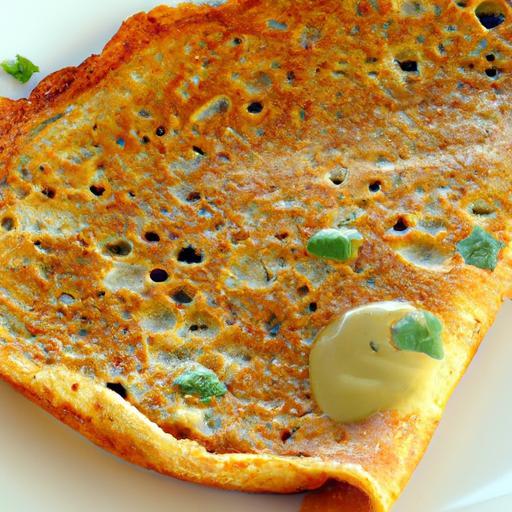
- Cooking Dosai: stir the fermented batter gently before use. Heat a non-stick or cast-iron griddle on medium-high, lightly grease it, and pour a ladle of batter in a circular motion to form a thin layer. Drizzle oil or ghee around the edges,and cook until the edges turn golden and crisp (about 2 minutes). Flip only if you prefer a softer texture.
- Serving: Serve hot with chutneys, sambar, or your favorite accompaniments.
Tips for Success with Indian Fermented Dosa Batter Recipes
- Use filtered or bottled water if your tap water is heavily chlorinated, as chlorine can inhibit fermentation.
- Maintain consistent room temperature between 75°F and 85°F (24°C-29°C) for best fermentation results; a warm oven (turned off) with a bowl of hot water is a handy trick during cold seasons.
- Fenugreek seeds not only improve fermentation but impart a subtle, nostalgic aroma and help achieve the ideal batter texture.
- If batter smells sour beyond preference,refrigerate promptly to slow fermentation without compromising taste.
- For a gluten-free option, ensure no cross-contamination and stick to authentic urad dal and rice varieties.
Regional Variations and Secret Ingredient Tips
Across South India, dosa batter variations flourish. in Tamil Nadu, adding soaked poha (flattened rice) lightens the batter, creating ultra-crispy dosas. In Kerala, grated coconut or coconut water enriches flavor and fermentation. Karnataka’s benne dosa involves a generous spread of butter enhancing texture and taste.These subtle changes underscore the vibrant diversity within Indian Fermented Dosa Batter Recipes and encourage experimentation.
Secret ingredients like a pinch of cooked rice or a few drops of curd can jumpstart fermentation in cooler climates. Using a traditional stone grinder for batter yields unparalleled texture and depth, though a high-powered electric grinder can suffice for modern kitchens.
Serving Suggestions
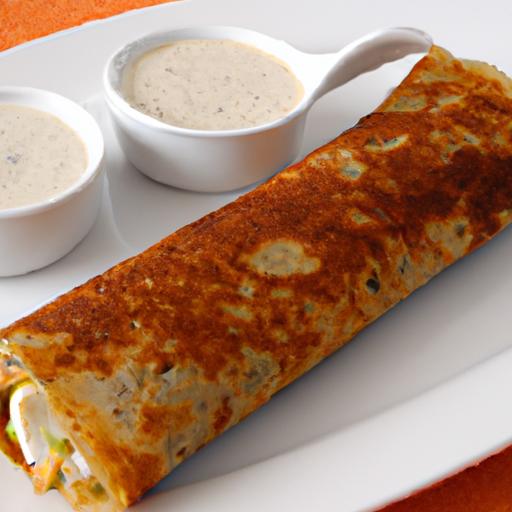
- Pair dosa with classic coconut chutney garnished with fresh curry leaves and mustard seeds.
- serve alongside tangy tomato or onion chutneys to balance the mild tanginess of fermented batter.
- Accompany with piping hot sambar loaded with vegetables, fresh herbs, and a tempered mustard-cumin spice blend.
- For a modern twist, fill dosas with spiced mashed potatoes, paneer bhurji, or sautéed mushrooms for a fusion flair.
- Garnish dosas with finely chopped cilantro, a drizzle of ghee, or a sprinkle of crushed black pepper for enhanced aroma and taste.
| Nutrient | Per Serving (1 Dosa approx.) |
|---|---|
| Calories | 120 kcal |
| Protein | 4 g |
| Carbohydrates | 22 g |
| Fat | 1.5 g |

For a deeper dive into fermentation science, visit the authoritative guide at ScienceDirect: Fermentation in Indian cooking. To explore related Indian breakfast recipes, check out our Regional Indian Breakfast Ideas article.
Q&A
Q&A: Unlocking Traditions – Indian Fermented Dosa Batter Recipes
Q1: What makes dosa batter so special compared to other pancake or crepe batters?
A1: Dosa batter is a living, breathing mixture that undergoes natural fermentation, transforming simple rice and urad dal into a tangy, airy base brimming with flavor and nutrition. This fermentation not only creates the signature crispness and slight sourness of dosa but also enhances digestibility, making it a uniquely wholesome staple unlike any ordinary pancake batter.
Q2: Why is fermentation significant in traditional dosa batter recipes?
A2: Fermentation is the magical secret that unlocks the nutritional potential and flavor complexity of dosa batter. It encourages beneficial lactic acid bacteria to multiply, which pre-digests the grains, infuses a subtle sourness, and increases bioavailability of nutrients. this ancient technique ensures the dosa is both flavorful and gut-friendly, passed down through generations as a cornerstone of Indian culinary wisdom.
Q3: What are the basic ingredients used in a traditional dosa batter?
A3: At its heart, traditional dosa batter blends parboiled rice (or a mix of rice varieties) with urad dal (split black gram) and a pinch of fenugreek seeds. Water and time work their magic during fermentation, with the fenugreek adding a hint of aroma and aiding in the rising, fluffy texture of the batter.Q4: Can dosa batter be made without fermentation?
A4: while you can technically skip fermentation, the result is a dosa lacking the signature tang, texture, and crispness. Unfermented batter tends to produce a bland,dense crepe more akin to a simple rice pancake. Fermentation is what breathes life into the batter, so patience is key for an authentic dosa experience.
Q5: How can someone speed up the fermentation process if they’re short on time?
A5: To speed fermentation, keep the batter in a warm, draft-free spot-like inside an oven with just the light on or near a stove top during cooking.Some enthusiasts also add a spoonful of already fermented batter or a pinch of baking soda at the end to boost rise and tang, though traditionalists prefer no shortcuts, letting nature do its slow work.
Q6: Are there regional variations in dosa batter recipes across India?
A6: Absolutely! South Indian dosas vary from the softer and sweeter Tamil Nadu style to the thinner, crispier Konkani or Kerala versions.Some regions add poha (flattened rice) for softness, while others incorporate different rice types or pulses, each imparting unique textures and flavors. these subtle tweaks reflect the cultural and agricultural diversity embedded in every dosa.
Q7: Can dosa batter be made with gluten-free or alternative grains?
A7: yes! Traditionally, dosa batter is naturally gluten-free, but modern cooks experiment with millet, quinoa, or even brown rice to boost nutrition or accommodate dietary needs. Fermentation principles remain the same, though soaking and grinding times may vary. These alternative batters open the door for innovation while honoring dosa’s ancestral roots.
Q8: What is the best way to store leftover dosa batter?
A8: After fermentation, dosa batter can be stored in the refrigerator for up to a week. Cold slows fermentation, preserving the batter’s flavor and preventing over-souring. Before use,gently stir the batter and add a splash of water if too thick.This thoughtful preservation ensures that each dosa is as fresh and flavorful as tradition intends.
Q9: How does mastering dosa batter deepen one’s connection with Indian culinary heritage?
A9: Making dosa batter is more than a recipe-it’s a tactile dialog with history, community, and patience. Engaging in the fermentation process invites cooks to slow down and appreciate the rhythms of nature’s chemistry and ancestral wisdom.Each batch carries stories of countless kitchens, connecting us to a living tradition that celebrates sustenance, creativity, and shared culture.
Q10: What tips can you share for achieving the perfect dosa from fermented batter?
A10: For the perfect dosa, ensure your batter is well-fermented, airy, and of pouring consistency-not too thick or thin. Use a hot, well-seasoned griddle and spread the batter in a circular motion swiftly but evenly. Drizzle a bit of oil or ghee around the edges for crispness, and cook till golden brown. With practice and love, the dosa will crackle, crisp, and delight-unlocking a timeless tradition on your plate.
The Conclusion
As the ancient art of fermenting dosa batter continues to bridge generations, it invites us to savor not just a dish, but a story steeped in tradition, culture, and time-honored techniques. Unlocking these recipes is more than a culinary journey-it’s an homage to the ingenuity and patience that transform simple ingredients into a golden, crispy delight. Whether your new to this practice or a seasoned dosa enthusiast, embracing the fermentation process connects you to a vibrant heritage and unlocks layers of flavor that only time and tradition can cultivate. So, roll up your sleeves, let nature do its magic, and relish the timeless taste of India’s beloved fermented dosas.