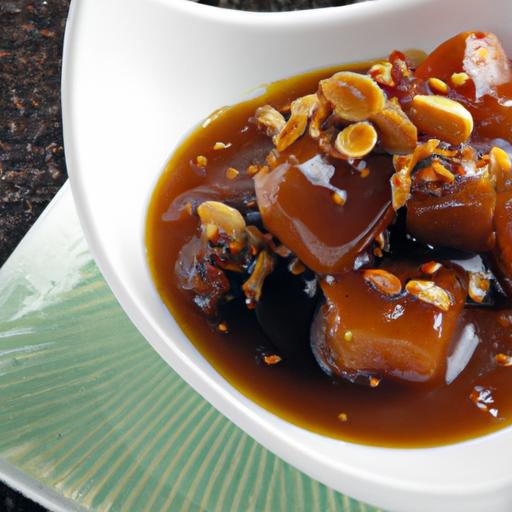


In the vibrant tapestry of Vietnamese cuisine, few ingredients capture the imagination quite like caramel sauce. But this is no ordinary drizzle of sweetness-Vietnamese caramel sauce, or nước màu, is a complex alchemy of deep, smoky richness and luscious, velvety texture that transforms everyday dishes into unusual experiences. From braised pork belly too fragrant stir-fries, this amber-hued elixir weaves a story of tradition, patience, and culinary artistry. Join us as we unlock the sweet mystery behind Vietnamese caramel sauce, exploring its history, making, and the subtle magic that makes it an indispensable treasure in kitchens across Vietnam and beyond.
unlocking the Sweet Mystery of Vietnamese Caramel Sauce
Unlocking the sweet mystery of Vietnamese caramel sauce reveals not only a deeply layered flavor but also a cultural journey rich with tradition and culinary finesse.This sauce, known locally as nước màu or mật màu, is a hallmark in Vietnamese kitchens, imparting a luscious amber glaze and complex sweetness that enhances everything from savory meats to delicate desserts.
Prep and Cook Time
Readiness: 5 minutes
Cooking: 15 minutes
Total: 20 minutes
Yield
Approximately 1 cup of caramel sauce,enough to glaze 4-6 servings
Difficulty Level
medium - requires attentive stirring and temperature control to perfect texture and flavor balance
Ingredients
- 1 cup granulated sugar
- 1/4 cup filtered water
- 3 tablespoons fish sauce (preferably vietnamese brand for authentic umami)
- 1/2 cup hot boiling water
- 2 tablespoons palm sugar,grated (optional,for extra depth)
Instructions
- Combine the sugar and filtered water in a heavy-bottomed saucepan over medium heat. Stir gently until sugar dissolves completely.
- Increase heat to medium-high and allow the mixture to come to a boil without stirring.Watch closely as it turns from clear to a golden amber shade.
- Once the sugar mixture reaches a rich amber color, instantly reduce heat to low and slowly pour in the boiling water. Be cautious of steam and bubbling.
- Stir continuously
- Add the fish sauce gradually, tasting as you go-we want a perfect balance of salty and sweet.
- simmer the sauce gently for 5 more minutes, stirring occasionally to thicken slightly, then remove from heat.
- Let the caramel cool slightly before transferring it into a clean glass jar.
Chef’s Notes and Tips for Success
- Temperature control is key. Use a candy thermometer to aim for around 340°F (170°C) to avoid burning.
- Fish sauce quality impacts flavor. Opt for a premium Vietnamese fish sauce; it adds a signature savory depth without overpowering.
- Use palm sugar for authenticity. This adds a subtle molasses note and richer color, but granulated sugar works well on its own.
- prevent crystallization. Wiping down pan sides with a brush dipped in water can avoid unwanted sugar crystals.
- Store in an airtight container in the fridge for up to 2 weeks. Warm gently before reuse.
- experiment with spice. Add a star anise or cinnamon stick during simmering for a fragrant twist.
Serving Suggestions
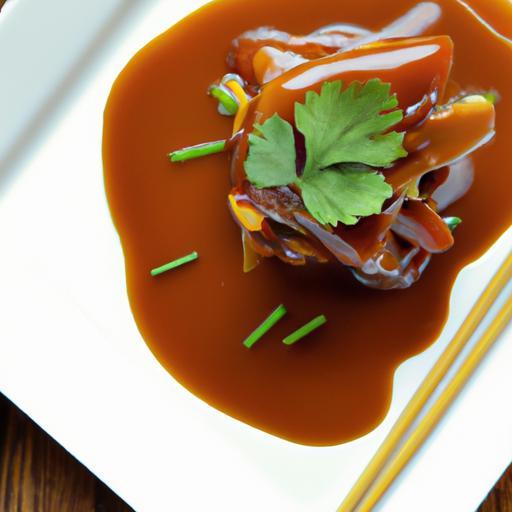
Vietnamese caramel sauce shines when drizzled over braised pork belly (thịt kho tàu), giving a glossy richness atop tender meat and soft-boiled eggs.It also elevates stir-fried vegetables, grilled fish, or even roasted tofu for a modern vegetarian twist. For dessert,try it with fresh tropical fruits like mango or jackfruit,or swirl into coconut custards to accentuate the vibrant balance of salty-sweet flavors. Garnish savory dishes with thinly sliced green onions or red chili for a pop of color and contrast.

| Nutrition (per 2 tbsp) | Amount |
|---|---|
| Calories | 90 |
| Protein | 0g |
| Carbohydrates | 23g |
| Fat | 0g |
For further inspiration on Vietnamese cooking techniques, explore our classic braised pork belly guide. To deepen your understanding about the chemistry behind caramelization, visit the Serious Eats caramelization primer.
Q&A
Q&A: Unlocking the Sweet Mystery of Vietnamese Caramel Sauce
Q1: What is Vietnamese caramel sauce, and how does it differ from Western caramel?
A1: Vietnamese caramel sauce, or nước hàng, is a deeply rich, smoky syrup made by slowly melting sugar until it turns a dark amber, then carefully tempered with a splash of water or fish sauce. Unlike the buttery, creamy Western caramel, Vietnamese caramel boasts a more robust, slightly bitter edge that adds layers of complexity to savory and sweet dishes alike.
Q2: Where did this unique caramel tradition originate?
A2: The roots of Vietnamese caramel sauce trace back to the ingenuity of Vietnamese cooks, who sought to transform simple sugar into a flavor enhancer. Its use in customary dishes like cá kho tộ (caramelized fish in clay pot) showcases how this sauce evolved as a means to preserve and invigorate humble ingredients with a luscious depth rarely seen in other cuisines.
Q3: What does the process of making Vietnamese caramel sauce involve?
A3: Crafting nước hàng is a delicate dance. You start by dry-caramelizing sugar in a pan over medium heat, watching closely as it melts and shifts colors. Once it reaches a dark,fragrant amber,the caramel is swiftly cooled with water or seasoned liquids,halting the cooking process and yielding a thick,glossy sauce. Precision and patience are key to avoid bitterness or burning.
Q4: How is Vietnamese caramel sauce typically used in cooking?
A4: This sauce is a versatile flavor powerhouse-commonly used to glaze meats, enrich braises, or liven up dips. Its intense sweetness balanced by subtle bitterness adds depth to pork, fish, and even vegetables. Beyond savory dishes,it can also be drizzled over desserts or iced coffee for an exotic twist.
Q5: Can I make vietnamese caramel sauce at home, and are there tips for beginners?
A5: Absolutely! Making nước hàng at home is rewarding and surprisingly straightforward with care. Use a heavy-bottomed pan for even heating, stir minimally during caramelization to prevent crystal formation, and prepare your water or fish sauce beforehand-added slowly after the sugar melts. Patience and attention will unlock a luscious syrup that elevates your cooking.
Q6: Why is Vietnamese caramel sauce considered a “sweet mystery”?
A6: Its enigmatic charm lies in its ability to transform simple sugar into a complex, multifaceted ingredient with sweet, savory, and slightly smoky notes. This caramel isn’t just a flavor-it’s a cultural story told through texture and taste, waiting to be discovered spoonful by spoonful.
Q7: Are there regional variations of Vietnamese caramel sauce?
A7: Indeed, though the core technique remains fairly consistent, some regions incorporate fish sauce, coconut water, or palm sugar to tweak the flavor profile, introducing subtle differences in sweetness, saltiness, and aroma that reflect local tastes and ingredient availability.
Unlocking the sweet mystery of Vietnamese caramel sauce invites a journey not just of flavor, but of tradition-where a humble ingredient becomes a culinary treasure. Ready to try making this golden elixir yourself?
Key Takeaways
As the last golden drops of Vietnamese caramel sauce settle on your palate, you begin to appreciate its secret art-a delicate balance of bitterness and sweetness, tradition and innovation. Unlocking this sweet mystery is more then just mastering a recipe; it’s embracing a cultural story simmered to perfection. Whether drizzled over creamy coffee, rich desserts, or savory dishes, this luscious sauce invites you to savor a piece of Vietnam’s culinary soul, one caramelized moment at a time. So next time you stir your pot, remember: unlocking the magic of caramel is unlocking a taste of history itself.