


In the heart of Japan’s culinary landscape lies a humble yet enigmatic treasure: natto, the fermented soybean dish that has puzzled palates and fascinated food lovers for centuries. More than just a breakfast staple, natto is a living testament to the intricate dance between nature and human ingenuity. Unlocking the magic of Japanese natto fermentation reveals a world where science meets tradition, and patience transforms simple soybeans into a complex tapestry of flavor, aroma, and texture.Join us on a journey through time and technique as we explore the art behind this remarkable fermentation process, uncovering how a small, sticky bean has become a cultural emblem and a symbol of culinary alchemy.
Unlocking the magic of Japanese natto fermentation unveils a fascinating culinary tradition deeply rooted in history, science, and artistry.This unique fermented soybean dish captivates with its characteristic sticky texture and pungent aroma, yet the secrets behind its essence lie in carefully selected soybeans, precise fermentation techniques, and the symbiotic dance of microbes.
Prep and Cook Time
- Readiness: 20 minutes
- Fermentation: 24-48 hours
- Total Time: Approximately 2 days
Yield
Approximate servings: 4 cups of freshly fermented natto
Difficulty Level
Medium – Requires patience and attention to fermentation conditions but rewarding for first-time fermenters with detailed guidance.
Ingredients
- 2 cups whole soybeans (preferably small, firm, and fresh, ideally japanese or non-GMO)
- 1 tsp natto starter culture (Bacillus subtilis var. natto) or a store-bought natto packet for inoculation
- Water for soaking and boiling
- Optional: 1 tsp sea salt (for taste and to slightly control fermentation speed)
Understanding Key Ingredients and Their Role
The choice of soybeans is fundamental. Smaller,fresher beans with intact skins ferment more uniformly and yield the signature sticky threads. The starter culture is your fermentation catalyst: Bacillus subtilis var. natto thrives in warm, humid environments, producing enzymes responsible for natto’s signature aroma and its viscous, cloud-like texture. Selecting premium soybeans and reliable starter culture sets the foundation for a prosperous batch.
Step-by-Step Instructions to Master the Traditional Natto Making Process
- Soak the soybeans in ample water for 12-18 hours at room temperature. this softens them and primes the beans for even steaming.
- Cook the soybeans by steaming or boiling until tender but not falling apart-about 6 hours by simmer or 3 hours in a pressure cooker. Test by gently pressing a bean between your fingers; it should mash easily.
- Drain the cooked beans thoroughly and transfer them to a sanitized bowl to cool to approximately 40°C (104°F).This temperature is critical to not kill your starter bacteria.
- add the natto starter culture by mixing 1 teaspoon of powder evenly into the warm soybeans. If using store-bought natto, dissolve a tablespoon of fresh natto in a bit of warm water and incorporate well.
- Place the inoculated beans into clean, shallow fermenting containers to increase surface exposure, then cover loosely with a breathable cloth or lid.
- Ferment at 40°C (104°F) for 24 to 48 hours. Maintain humidity and temperature using a yogurt maker, fermentation box, or warm oven with a pilot light. Peek only at the end of the process to avoid contamination.
- Once fermentation completes, move the natto to the refrigerator and refrigerate for 12 hours to let flavors mellow and textures thicken.
Tips for Enhancing Natto’s Nutritional Benefits and Culinary Applications
To maximize nutritional perks,consume natto fresh or within one week refrigerated. Natto boosts vitamin K2 levels, supports gut microbiota, and offers heart-healthy nattokinase enzymes. Pair it with vitamin C-rich ingredients like green onions or citrus to enhance nutrient absorption.
For culinary creativity, natto’s earthy umami shines atop steamed rice, mixed with mustard and soy sauce, wrapped in nori, or combined with avocado for creaminess. Experiment with Western dishes by folding natto into scrambled eggs or incorporating it into savory pancakes.
Chef’s Notes: Tips for Success
- Maintaining Temperature: Consistent warmth is key. Use insulated boxes or fermenters and avoid temperature swings.
- Hygiene: Sterilize all equipment to prevent unwanted microbial contamination.
- Customizing Fermentation Time: Shorter ferment times (24 hrs) yield milder flavors; longer (48 hrs) intensify aroma and stickiness.
- Substitutions: Use organic soybeans for a cleaner taste. Alternately, incorporate small amounts of other legumes for novel textures.
- Storage: Keep refrigerated and consume within one week for optimal flavor and texture.
Serving Suggestions
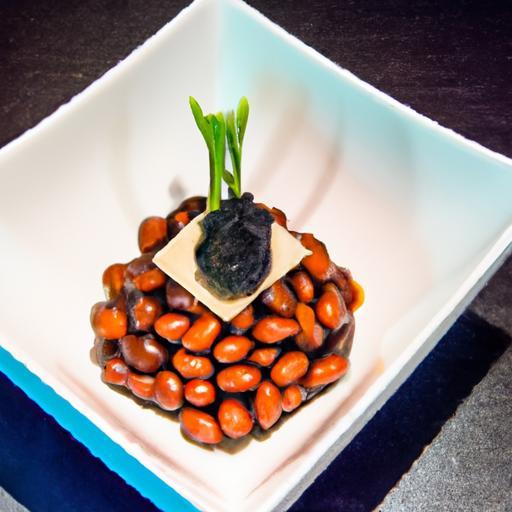
To visually highlight natto’s signature silk-like threads, serve in small lacquer bowls garnished with finely sliced scallions, a sprinkle of shredded nori, and a dash of karashi mustard. Pair with hot steamed rice or use as a topping for savory okonomiyaki pancakes. for a modern twist, drizzle lightly with toasted sesame oil and a sprinkle of toasted sesame seeds to enhance aroma and mouthfeel.

| Nutrient | Per 100g |
|---|---|
| calories | 212 kcal |
| Protein | 18.5 g |
| Carbohydrates | 14.0 g |
| Fat | 11.0 g |
discover more about fermentation techniques by exploring our extensive Fermentation Basics for Beginners guide.
Q&A
Q&A: Unlocking the Magic – The Art of Japanese Natto Fermentation
Q1: What exactly is natto, and why is it considered magical?
A1: Natto is a traditional Japanese delicacy made from fermented soybeans, renowned for its sticky texture and bold aroma. The “magic” lies in its conversion-from humble soybeans to a probiotic powerhouse-through a natural fermentation process that unlocks complex flavors and unparalleled health benefits. It’s a living food that’s as fascinating as it is flavorful.
Q2: how does the fermentation process work in making natto?
A2: The art of natto fermentation begins with steaming soybeans until tender. then, they’re inoculated with Bacillus subtilis bacteria, the microbial maestro behind natto’s signature texture and taste. As these bacteria work their magic at warm temperatures,they break down proteins and create sticky threads,releasing enzymes and nutrients that give natto its unique character.
Q3: What makes bacillus subtilis so special in natto fermentation?
A3: Bacillus subtilis is the star conductor of this microbial symphony. Unlike many bacteria, it thrives in soybeans and produces a sticky, slimy substance called poly-γ-glutamic acid, which is responsible for natto’s famous stringiness.Beyond texture, it synthesizes nattokinase, an enzyme credited with various health perks, making natto not only deliciously funky but also nutritionally potent.
Q4: Can anyone make natto at home, or is it a strictly traditional craft?
A4: Absolutely! While traditional methods require patience and precision, home fermentation has never been more accessible.With a bit of steamed soybeans, a natto starter culture, and controlled warmth, you can embark on your own fermentation adventure. The key is maintaining a steady temperature around 40°C (104°F) and allowing nature’s tiny artisans to perform their magic over 24 to 48 hours.
Q5: how has natto influenced Japanese culture beyond the kitchen?
A5: Natto is more than just food-it’s a cultural emblem symbolizing harmony between nature and tradition. Celebrated for centuries, it represents ancestral wisdom, lasting living, and the embrace of microorganisms as allies. Festivals, folklore, and even art often pay homage to this humble yet profound dish that holds a special place in Japanese hearts.
Q6: What are some common misconceptions about natto?
A6: Many shy away from natto due to its potent aroma and sticky texture, mistaking it for spoiled food. However, its funk is a sign of healthy fermentation, not decay. Another myth is that it’s only an acquired taste; in reality, natto can be enjoyed in myriad ways-from classic soy sauce and mustard combos to fusion dishes-inviting adventurers to discover its nuanced flavors.
Q7: Why is natto considered a superfood today?
A7: Natto is a powerhouse packed with protein, vitamins (especially K2), probiotics, and enzymes like nattokinase, which may support heart and bone health. Its fermentation enhances digestibility and nutrient absorption, making it a revered ally for wellness enthusiasts worldwide. This ancient superfood continues to unlock new potentials in modern nutritional science.
Q8: What role does time play in the natto fermentation art?
A8: Time is the silent sculptor molding natto’s essence.During fermentation, hours transform simple soybeans into a vibrant living community of bacteria and enzymes.Too short, and the distinctive stringiness and flavor won’t fully develop; too long, and the aroma intensifies sharply. Mastery lies in balancing patience with precision-letting nature’s rhythm dictate the perfect moment to savor.
Q9: How can a novice appreciate natto’s unique flavors?
A9: Approach natto with curiosity and creativity! start by mixing it with mustard and soy sauce, traditional enhancers that tame its boldness. Pair it with mild rice, add chopped green onions, or blend it into omelets and salads. each bite is a journey-embracing the earthy, umami-rich layers that gradually reveal themselves to an open palate.
Q10: In a nutshell, what makes natto fermentation an art form?
A10: Natto fermentation is a delicate dance between biology, environment, and human hands-a timeless craft where microorganisms become artists, painting soybeans with textures, flavors, and life. It’s innovation rooted in tradition, a sensory and scientific wonder that transforms simplicity into complexity. Unlocking this magic is to witness how nature and culture ferment together into edible poetry.
The Conclusion
As the delicate threads of natto stretch between chopsticks, they tell a story centuries in the making-a story of patience, tradition, and the wondrous alchemy of fermentation. unlocking the magic of Japanese natto is more than mastering a culinary technique; it is an invitation to connect with a living heritage,where microscopic artisans transform humble soybeans into a nutrient-rich marvel. Whether you’re a curious foodie or a fermentation enthusiast, embracing the art of natto opens a window into the harmony of nature and culture, reminding us that sometimes, the most remarkable flavors emerge from the quietest, most unassuming processes. so, venture boldly into this savory world, and savor not just the taste, but the timeless craft that breathes life into every sticky, fermented bite.