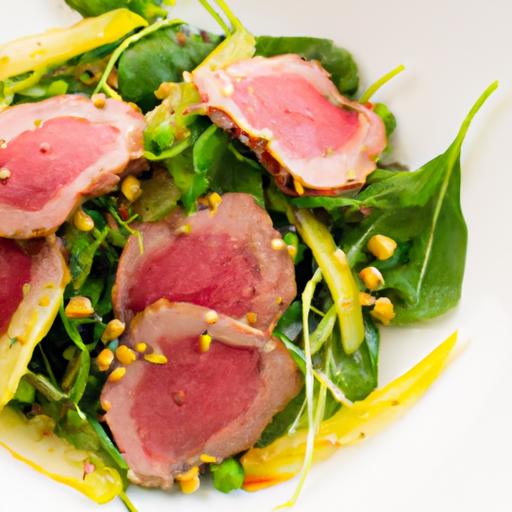




In a world flooded with conflicting nutrition advice, the allure of low carb living stands out as both a beacon of simplicity and a gateway to vibrant health. But beyond the buzzwords and trending meal plans lies a fascinating scientific story-one that unravels how cutting down on carbohydrates can transform more than just our waistlines. Unlocking Health: The Science Behind Low Carb Living takes you on a journey through the intricate dance of metabolism, hormones, and cellular energy. Prepare to discover how embracing lower carb intake may empower your body to burn fat efficiently, stabilize blood sugar, and boost mental clarity. This isn’t just another diet fad-it’s a metabolic key to unlocking your body’s full potential.
Unlocking health through low carb living begins with understanding how your body transitions from sugar-burning to fat-burning mode. This tasty Keto Garlic Herb Chicken with Creamed Spinach recipe embodies the metabolic magic of low carb diets, harnessing healthy fats and minimal carbs to stabilize blood sugar and support insulin sensitivity. Inspired by rustic European comfort food yet perfectly tailored for the ketogenic connection, this dish is a party of bold flavors and nutrient-dense ingredients that fuel your body efficiently.
Prep and Cook Time
- prep: 15 minutes
- Cook: 25 minutes
- Total: 40 minutes
Yield
Serves 4
Difficulty Level
Easy to Medium
Ingredients
- 4 boneless, skin-on chicken thighs, trimmed
- 2 tablespoons olive oil
- 4 cloves garlic, minced
- 1 teaspoon fresh rosemary, chopped
- 1 teaspoon fresh thyme, chopped
- 1 cup heavy cream
- 5 cups fresh spinach, washed and roughly chopped
- 1/2 cup grated Parmesan cheese
- Salt and freshly ground black pepper, to taste
- 1 tablespoon butter
- Optional: pinch of nutmeg for the creamed spinach
Instructions
- Season the chicken thighs liberally with salt, pepper, rosemary, and thyme. Let them rest for 5 minutes to meld the flavors.
- Heat olive oil over medium-high heat in a large skillet. Once shimmering, add the chicken thighs skin-side down. sauté until golden brown, about 6-7 minutes, pressing lightly to crisp the skin.
- Flip the chicken, reduce heat to medium, cover the skillet, and cook for another 8-10 minutes until cooked through and juices run clear.
- While chicken cooks, melt butter in a seperate pan over medium heat. Add the garlic and sauté until fragrant, about 1 minute. Add the spinach and stir until wilted.
- Pour in the heavy cream and sprinkle Parmesan cheese over the spinach. Stir continuously until the sauce thickens slightly-about 3-4 minutes. Season with salt, pepper, and a pinch of nutmeg if using.
- Plate the chicken thighs atop the creamy spinach, spooning extra sauce over the top to capture every velvety bite.
Tips for Success
- For extra crispy skin, pat chicken dry with paper towels before seasoning and cooking.
- Fresh herbs add brightness-substitute rosemary and thyme with oregano or sage for variation.
- Make-ahead option: Prepare the creamed spinach up to 24 hours in advance and reheat gently while cooking the chicken.
- Low carb boost: Add toasted pine nuts or sprinkle a pinch of chili flakes for texture and heat.
Serving Suggestions
Serve this rich and comforting keto garlic herb chicken with a side of roasted Brussels sprouts or lightly steamed asparagus. Garnish with freshly chopped parsley and a wedge of lemon to brighten the heavy cream’s delicate richness. A crisp green salad with a simple vinaigrette completes the meal perfectly, providing contrast and crunch for an elegantly balanced low carb experience.

| Nutrient | Per Serving |
|---|---|
| Calories | 460 |
| Protein | 35g |
| Carbohydrates | 6g |
| fat | 32g |
Discover more nutrient-dense low carb dinner recipes that complement your lifestyle. For an in-depth scientific view on how fat fuels your metabolism, check out this Healthline article on low carb diets.
Q&A
Q&A: Unlocking Health – The Science Behind Low Carb Living
Q1: What exactly is “low carb living”?
A1: Low carb living is a lifestyle that emphasizes reducing carbohydrate intake-think bread, pasta, and sugary snacks-while increasing proteins, healthy fats, and non-starchy vegetables. It’s not just about cutting carbs; it’s about shifting your body’s fuel source from sugar to fat,unlocking a metabolic state called ketosis or simply promoting steadier energy levels.
Q2: Why does lowering carbs make such a difference to our health?
A2: Carbs, especially refined ones, rapidly raise blood sugar and insulin levels. Chronically high insulin can lead to fat storage, inflammation, and metabolic disorders like type 2 diabetes. by cutting down carbs, the body stabilizes blood sugar, reduces insulin spikes, and taps into fat as a steady energy source, promoting weight loss and improved metabolic health.
Q3: Is low carb living just another weight loss fad?
A3: Far from it! While many embrace low carb for weight management, the science shows broader benefits: improved heart health markers, reduced inflammation, better brain function, and even mood stabilization. It’s a holistic approach to fueling the body more efficiently rather than quick-fix dieting.
Q4: How does the science explain appetite control on low carb diets?
A4: When you eat fewer carbs and more fat and protein, the body experiences less blood sugar rollercoasters, which frequently enough trigger hunger and cravings. High-fat and protein-rich foods also release satiety hormones like peptide YY and GLP-1, helping you feel fuller longer, naturally reducing calorie intake.
Q5: Are all carbs bad on a low carb diet?
A5: Not at all! The focus is on quality. Non-starchy vegetables, nuts, seeds, and certain fruits provide essential fiber, vitamins, and antioxidants. These “good carbs” support gut health and overall well-being, complementing a nutrient-dense low carb lifestyle.
Q6: What does current research say about low carb living and heart health?
A6: emerging studies reveal that low carb diets can improve HDL (the “good” cholesterol), lower triglycerides, and reduce small, dense LDL particles, which are more harmful to arteries. Contrary to past fears about fat intake,these diets frequently enough enhance cardiovascular markers when done thoughtfully.Q7: How quickly can someone expect changes when switching to low carb?
A7: Many notice improved energy and mental clarity within days to weeks. Weight loss and metabolic improvements may follow over weeks to months. The timeline varies individually, but patience and consistency unlock lasting health rewards.
Q8: Can low carb living be lasting long-term?
A8: Absolutely! It’s more a shift in food quality and metabolic strategy than a restrictive diet. Many find it easier to maintain than calorie counting, as hunger diminishes and food choices are satisfying and varied. With mindful planning, low carb living can become a lifelong ally for health.
Q9: What are some common misconceptions about low carb diets?
A9: one big myth is that low carb means no veggies or only meat and cheese. In reality,vibrant leafy greens,colorful vegetables,and balanced fats are key. Another misconception is that low carb diets cause nutrient deficiencies-when done correctly,they’re packed with micronutrients and antioxidants.
Q10: Where should someone start if they want to try low carb living?
A10: Begin by reducing processed carbs and sugars, focusing on whole foods like leafy greens, quality proteins (chicken, fish, eggs), and healthy fats (avocado, olive oil, nuts). Hydrate well and listen to your body’s responses. Consulting a healthcare professional or nutritionist can definitely help tailor the approach to your needs.
Unlocking the science behind low carb living reveals not just a way to shed pounds, but a means to reclaim vitality, balance, and long-term health. Ready to turn the key?
Final Thoughts
As we’ve journeyed through the science behind low carb living, it’s clear that this approach is more than just a fleeting trend-it’s a thoughtful, evidence-backed path toward better health. By understanding how reducing carbohydrates influences our metabolism, appetite, and energy, we unlock a powerful tool to reclaim vitality and well-being. Whether your looking to manage weight, boost mental clarity, or stabilize blood sugar, embracing low carb principles can be a transformative step. The key lies not in strict restriction but in informed balance-where science and lifestyle intersect to empower your health journey. So, as you close this chapter, consider low carb living not as a limitation, but as an invitation to discover a new, vibrant version of yourself.