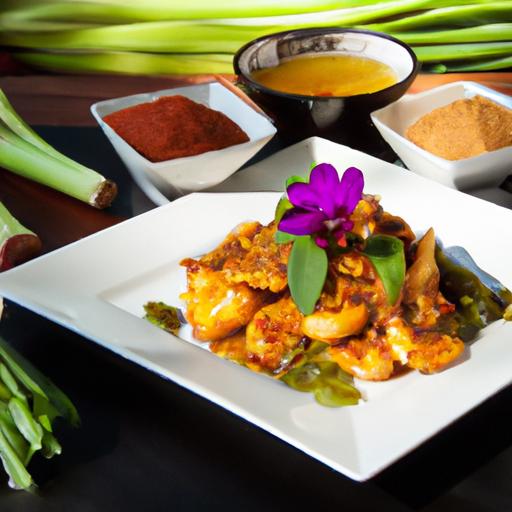



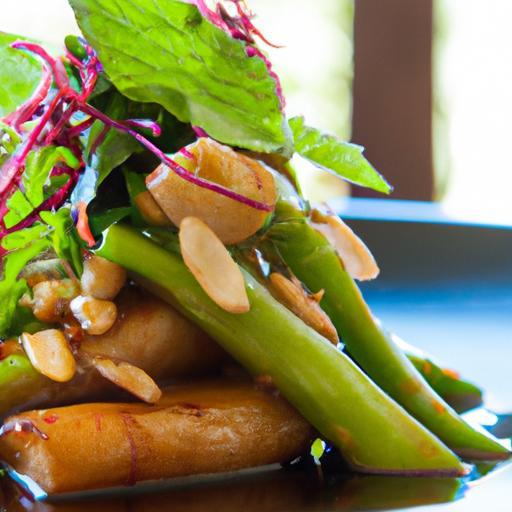
Hidden within teh heart of Indonesian kitchens lies a culinary treasure that has captivated palates for centuries: tempeh. More than just a humble soy product,tempeh is a living testament to the intricate dance between nature and tradition,where fermentation transforms simple soybeans into a symphony of complex flavors and textures. ”Unlocking Flavour: The Art of Indonesian Tempeh Fermentation” invites you on a journey through this ancient craft, exploring how time-honored techniques and microbial mastery converge to create a food that is as rich in culture as it is in taste. Dive into the alchemy behind tempeh’s unique character and discover why this fermented marvel continues to inspire chefs and food lovers around the world.
Understanding the Microbial Magic Behind Tempeh Fermentation
Unlocking flavor is truly an adventure when you dive into the microbial magic that transforms humble soybeans into the irresistibly textured and aromatic tempeh.This traditional Indonesian staple relies on a gorgeous symbiosis between Rhizopus oligosporus mold and carefully prepared soybeans, creating a natural fermentation that’s both art and science. The mycelium’s white threads bind the soybeans into a compact cake, enhancing digestibility and imparting that signature nutty, earthy aroma that tempeh lovers crave.
Selecting the right soybeans is the first step to enhancing your tempeh’s taste and texture. Opt for medium-to-large soybeans with a pale, even color.these deliver creamier textures and a richer mouthfeel after fermentation. Avoid wrinkled or overly dry beans, as they ferment unevenly and may produce off-flavors. For a fuller body, consider soaking and dehulling the soybeans – a practice rooted in Indonesian tradition that ensures uniform fermentation and a tender crumb.
Mastering Fermentation Conditions for Consistent Quality
Precision in temperature and humidity is crucial for consistent tempeh quality. Ideal fermentation thrives at 86-90°F (30-32°C) with high humidity. this encourages rapid and even mold growth within 24-36 hours, producing a firm, white-bound cake with a characteristic aroma. Too cold or dry, and fermentation slows; too hot or moist, and undesirable bacteria may take over, spoiling your batch.
Using breathable banana leaves or perforated plastic bags helps maintain airflow, preventing excess moisture buildup and ensuring the tempeh air-dries slightly during fermentation. A simple yogurt maker or dedicated fermentation box can provide a controlled surroundings, but ambient Indonesian kitchen warmth also works beautifully if monitored closely.
Enhancing tempeh Flavors with Traditional and Modern Techniques
Once the microbial magic is in motion, it’s time to explore ways to elevate your tempeh beyond the classic flavor. Traditional Indonesian recipes often incorporate spices like galangal, turmeric, and kaffir lime leaves during soaking or wrapping, infusing subtle complexity straight into the ferment. Experimenting with alternate legumes-mung beans, chickpeas, or black beans-also opens doors to new textures and colors.
Modern chefs are pushing boundaries by marinating or smoking tempeh post-fermentation,layering umami with soy sauce,miso,or smoked paprika. Another contemporary twist is introducing herbs into the fermentation wrap-imagine rosemary or lemongrass scents mingling with the mold’s earthiness. This fusion of tradition and innovation truly unlocks flavor, turning tempeh into a versatile star for salads, sandwiches, and stir-fries alike.
Prep and Cook Time
- Preparation: 15 minutes (soaking and rinsing soybeans)
- Fermentation: 24-36 hours
- Cooking: 10-15 minutes (steaming or frying tempeh)
Yield
Makes approximately 500 grams (1.1 lbs) of fresh tempeh
Difficulty Level
Medium – Requires attention to fermentation details but rewarding for home cooks willing to experiment
Ingredients
- 2 cups dry soybeans, preferably medium-to-large, pale yellow
- 2 tablespoons vinegar (white or apple cider, to acidify soaking water)
- 1 teaspoon tempeh starter (Rhizopus oligosporus spores)
- Banana leaves or perforated plastic bags for wrapping
- Optional: 1 teaspoon turmeric powder, 2 kaffir lime leaves, or crushed galangal for infusion
Instructions
- Rinse and soak soybeans in water with vinegar for 8-12 hours to soften and acidify, enhancing fermentation.
- Rinse thoroughly under running water, then boil soybeans for 30 minutes until softened-but not mushy. Drain well.
- Remove hulls by rubbing beans between your hands in water, then rinse. Dehulling improves fermentation and final texture.
- Dry soybeans fully on a clean towel or in a ventilated area; moisture levels above 60% inhibit mold growth.
- Sprinkle tempeh starter evenly over soybeans while warm (about 35-40°C/95-104°F), mixing gently but thoroughly.
- Optional: Mix in turmeric or add kaffir lime leaves for aromatic complexity.
- Transfer the inoculated beans into banana leaves or perforated plastic bags in a 1-inch thick layer, ensuring good airflow.
- Incubate at 30-32°C (86-90°F) with high humidity for 24-36 hours. White mycelium should cover beans fully, creating a firm cake.
- Check for blue or black spots – these indicate contamination and the tempeh should be discarded.
- Once fermented, refrigerate or cook promptly. Steam for 10 minutes or fry until golden for a deeper flavor.
Tips for Success
- Keep everything sterile: Clean utensils and hands reduce unwanted bacteria.
- Control moisture carefully: Excess water can cause soggy tempeh.
- Use a thermometer: Accurate temperature keeps fermentation on track.
- Experiment with legumes: Black beans yield a nutty, visually striking tempeh.
- Make ahead: Fermented tempeh freezes well for up to one month.
Serving Suggestions
For a classic Indonesian experience, slice tempeh thin and pan-fry until crispy. serve garnished with fresh cilantro and thinly sliced red chilies. It pairs beautifully with steamed jasmine rice and a drizzle of sambal for heat.
Or, cube and toss into stir-fries with garlic, bell peppers, and a splash of tamari. Tempeh also shines marinated in a smoky barbecue glaze, nestled into sandwiches with pickles and slaw. The nutty,umami depth enhanced through fermentation makes every bite a celebration of culinary tradition and creativity.
| Nutrient | Per 100g |
|---|---|
| Calories | 192 kcal |
| Protein | 19.0 g |
| Carbohydrates | 9.4 g |
| Fat | 10.8 g |

For further reading on fermentation science and history, visit the ScienceDirect fermentation overview. Interested in trying other Indonesian fermented delights? Check out our guide on Indonesian Fermented Foods for more inspiration.
Q&A
Q&A: Unlocking Flavor – The Art of Indonesian Tempeh Fermentation
Q1: What is tempeh, and why is it considered a culinary treasure in Indonesia?
Tempeh is a traditional Indonesian fermented soybean cake, renowned for its nutty flavor, firm texture, and rich protein content. Unlike plain boiled soybeans, tempeh undergoes a natural fermentation process that transforms humble beans into a versatile, flavorful superfood cherished across Indonesia. It’s not just food; it’s a cultural legacy that tells stories of communities, tradition, and nature working in harmony.
Q2: How does the fermentation process unlock the unique flavors of tempeh?
Fermentation is the magic wand of tempeh-making. By introducing a fungal starter, typically Rhizopus oligosporus, the soybeans undergo a controlled transformation. The fungus breaks down complex proteins and carbohydrates,releasing amino acids and organic acids that develop that signature earthy,umami-rich aroma and taste. This biochemical symphony transforms bland beans into a complex flavor experience, subtly tangy and deeply savory.
Q3: What are the key steps involved in traditional Indonesian tempeh fermentation?
The art of tempeh making follows a simple yet precise ritual: soybeans are soaked, dehulled, partially cooked, and cooled to the right temperature. A starter culture is then sprinkled on the beans,which are packed tightly into banana leaf-lined molds or perforated plastic bags to allow airflow. The mixture is incubated at around 30-32°C (86-90°F) for 24 to 48 hours, during which the white mycelium binds the beans together, forming the firm cake with its characteristic marbled appearance.
Q4: Why is temperature control so crucial during fermentation?
Temperature is the heartbeat of tempeh fermentation. Too cold, and the fungal culture struggles to grow, resulting in incomplete binding and weak flavor progress. Too warm, and undesirable microbes might take over, producing off-flavors or spoilage. Maintaining that cozy 30-32°C range creates the perfect environment for rhizopus spores to thrive, ensuring a safe fermentation that unlocks maximum flavor and texture.
Q5: Besides flavor, what other benefits does fermentation confer on tempeh?
Fermentation creatively enhances tempeh’s nutritional profile.It reduces phytic acid, an anti-nutrient that inhibits mineral absorption, making minerals like iron and calcium more bioavailable. The process also partially breaks down soy proteins, improving digestibility and creating natural probiotics that promote gut health. In essence, fermentation turns soybeans into a nourishing, flavorful powerhouse that’s gentle on the stomach and kind to your body.
Q6: Can tempeh be made from ingredients other than soybeans?
Absolutely! While soybeans are the classic base, Indonesian artisans have experimented with ingredients like black-eyed peas, chickpeas, cassava, and even peanut tempeh. each brings its own flavor nuances and textures,expanding the culinary universe of tempeh while respecting the core fermentation art. These variations are vibrant examples of tradition meeting creativity, unlocking new tastes from ancient techniques.Q7: How is tempeh’s flavor profile influenced by regional variations in Indonesia?
indonesia’s diverse regions bring subtle shifts in tempeh’s character. Differences in local soybean varieties, starter cultures, ambient microbes, and even wrapping materials (banana leaves vs. plastic) create unique flavor fingerprints-from the mild, slightly sweet tempeh of West Java to the robust, earthier variants found in Central Java. This regional terroir makes each tempeh experience a delicious journey through Indonesian culture and geography.
Q8: What are some modern culinary uses of tempeh that showcase its flavor?
modern chefs celebrate tempeh’s adaptability: it can be grilled, fried, stir-fried, crumbled into sauces, or marinated to take on diverse flavor profiles-from smoky BBQ to spicy sambal-infused dishes. Its firm texture holds up to bold cooking methods, and its deep umami lends richness to vegetarian and vegan creations. Tempeh is unlocking new frontiers of flavor worldwide, proving that fermentation is an art worth savoring.
unlocking the secret of Indonesian tempeh fermentation reveals more than just a method-it’s an invitation to taste tradition, science, and passion fermented into every bite.
To Conclude
As we peel back the layers of Indonesian tempeh fermentation, it becomes clear that this age-old craft is more than just a method-it’s a celebration of patience, culture, and nature’s alchemy. unlocking the vibrant flavors and textures of tempeh is a journey through time,where microscopic organisms work in harmony to transform humble soybeans into a culinary treasure. Whether you’re a curious cook or a devoted foodie,embracing the art of tempeh fermentation invites you to savor a taste of tradition while exploring the endless possibilities of flavor. In every bite lies a story-one that honors the heritage of Indonesia and the enduring magic of fermentation.