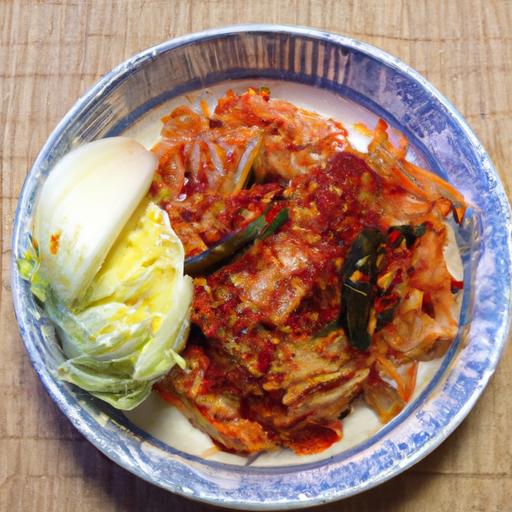



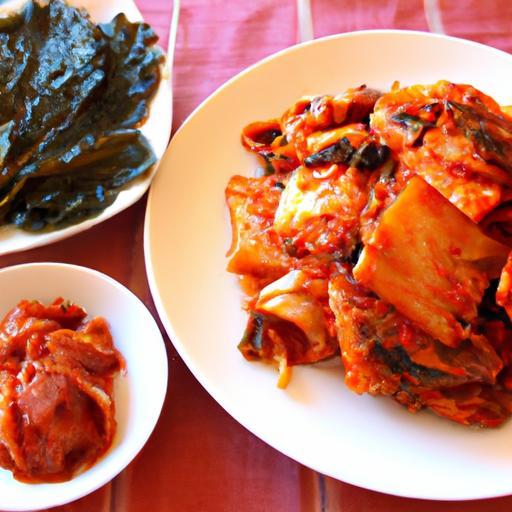
In the vibrant tapestry of Korean cuisine, few dishes hold as much cultural meaning and enduring appeal as kimchi. This iconic fermented delicacy, with its bold flavors and tantalizing textures, has been a cornerstone of Korean tables for centuries, transcending time and trends. “Timeless Flavors: Exploring Authentic Customary Korean Kimchi recipes” invites you on a savory journey into the heart of Korea’s culinary heritage, were ancient techniques meet fresh, natural ingredients. whether you’re a seasoned foodie or a curious newcomer, uncovering the secrets behind these age-old recipes offers not only a taste of history but a deeper gratitude for the artistry and tradition woven into every bite of kimchi.
Timeless Flavors: Exploring Authentic Traditional Korean Kimchi Recipes
Timeless flavors of authentic traditional Korean kimchi recipes have captivated food lovers worldwide,celebrated for their vibrant taste and rich cultural tapestry. Originating in Korea over two millennia ago, kimchi embodies more than just a dish-it is a living tradition passed down through generations that transforms simple fermented vegetables into a symphony of spice, tang, and umami. My first encounter with kimchi was a revelation: the crunchy texture, the fiery yet balanced seasoning, and its remarkable ability to complement any meal made me eager to master this art of fermentation in my own kitchen.
Prep and Cook Time
- Preparation: 30 minutes
- Fermentation: 5-7 days (depending on room temperature and preference)
- Total: 5 to 7 days + 30 minutes active prep
Yield
Approximately 4 cups of fully fermented kimchi (serves 6 as a side dish)
Difficulty Level
Medium – Requires attention to fermentation but simple techniques overall
Ingredients
- 1 medium Napa cabbage (about 2-3 pounds), quartered and rinsed
- ¾ cup sea salt (non-iodized), for salting cabbage
- 4 cups cold water
- 1 tablespoon glutinous rice flour (sweet rice flour)
- 1 cup water (for rice porridge)
- ½ cup Korean red chili pepper flakes (gochugaru), adjust to spice preference
- 4 cloves garlic, minced
- 1-inch piece of ginger, minced
- 3 green onions, chopped finely
- 1 small carrot, julienned
- 1 small daikon radish, julienned
- 3 tablespoons fish sauce (substitute with soy sauce for vegetarian option)
- 1 teaspoon sugar
Instructions
- Salt the cabbage: Place the cabbage quarters in a large bowl and sprinkle each leaf layer with sea salt. Pour 4 cups of cold water over the cabbage. Massage the cabbage gently for 5 minutes until it begins to soften. Let it sit for 1.5 to 2 hours, turning occasionally to ensure even salting. The cabbage will wilt and release water.
- rinse and drain: thoroughly rinse the salted cabbage under cold running water 3 times to remove excess salt. Drain well and squeeze gently to remove residual water. set aside.
- Prepare rice porridge: In a small pot, combine the glutinous rice flour and 1 cup water over medium heat.Stir constantly until it thickens into a smooth, translucent paste (about 3-5 minutes). Let cool entirely.
- Make the kimchi paste: In a mixing bowl, combine the cooled rice porridge, gochugaru, minced garlic, grated ginger, fish sauce, sugar, and chopped green onions. Add the julienned carrot and daikon radish. Stir well to create a uniform, thick, and vibrant red paste.
- Coat the cabbage: Wearing kitchen gloves to protect your hands from the chili and fermentation process, carefully spread the kimchi paste between each layer of cabbage leaves, ensuring full coverage from root to tip.
- Pack and ferment: Tightly pack the coated cabbage quarters into a clean, airtight glass jar or fermentation container. Press firmly to remove air pockets.leave about an inch of headspace. Seal the container.
- Ferment: Let the kimchi ferment at room temperature for 5 to 7 days. Taste it daily after day 3 to monitor the tanginess and texture you prefer. Once fermented to your liking, transfer to the refrigerator where flavors will continue to develop slowly. Kimchi can be stored chilled for up to 2 months.
Tips for success
- Salt selection: Use only non-iodized, coarse sea salt or kosher salt.Iodized salt can inhibit fermentation and create off-flavors.
- Rice porridge consistency: This is key to achieving the perfect kimchi texture.too thin, and the paste won’t adhere well; too thick, and it can be pasty.
- Adjust spiciness: Gochugaru quality and quantity can vary. Start with less,you can always add more on your next batch.
- Vegetarian variation: replace fish sauce with soy sauce or miso paste for umami depth without seafood.
- Make-ahead: Kimchi can be prepared weeks in advance; flavors deepen with age. Just remember to store it refrigerated after initial fermentation.
Serving Suggestions
Kimchi’s versatility makes it a vibrant addition to countless dishes. Serve it as a traditional side with steamed rice and grilled meats, or elevate your meals by incorporating it into fried rice, kimchi pancakes (jeon), or stews (jjigae). Garnish with toasted sesame seeds and a few drops of sesame oil for a luscious finish. For visual delight, presenting kimchi in rustic earthenware bowls accentuates its fiery red hue and piquant aroma-ready to awaken the palate.

| Nutrient | Per 100g |
|---|---|
| Calories | 25 kcal |
| Protein | 1.2 g |
| Carbohydrates | 4.3 g |
| Fat | 0.4 g |
To further deepen your knowledge and appreciation of kimchi, explore our related article on fermented Korean dishes and discover the vibrant spectrum of fermentation techniques. For scientific insights on kimchi fermentation, visit the National Center for Biotechnology Information.
Q&A
Q&A: Timeless Flavors – Exploring Authentic Traditional korean Kimchi Recipes
Q1: What makes kimchi such an iconic dish in Korean cuisine?
A: Kimchi is more than just a side dish; it’s a symbol of Korean heritage and ingenuity. Its unique blend of fermented vegetables and bold spices encapsulates centuries of tradition, climate adaptability, and communal spirit. Every pungent crunch carries the story of seasonal harvests,ancestral wisdom,and the enduring Korean palate that celebrates balance-spicy,sour,sweet,and umami all in one.
Q2: How have traditional kimchi recipes stood the test of time?
A: The heart of traditional kimchi lies in techniques passed down through generations-salting, fermenting, layering layers of flavor with garlic, ginger, chili flakes (gochugaru), and seafood-based seasonings like salted shrimp or anchovy sauce. These methods aren’t just about preservation; thay harness natural fermentation to develop complex tastes and promote health benefits. Time-honored recipes adapt subtly with region and season but always maintain their authentic soul.
Q3: What are some classic ingredients used in traditional kimchi that modern cooks might overlook?
A: Beyond napa cabbage and chili powder, authentic recipes call for ingredients like Korean radish (mu), fermented fish sauces (jeotgal), fresh green onions, and sometimes wild herbs. These components contribute depth and umami that can get lost in simplified versions. Additionally, rice flour porridge is frequently enough added to help the seasoning paste cling and ferment evenly.
Q4: Can you describe the traditional kimchi-making process?
A: Traditionally, kimchi-making, or kimjang, is a communal affair-families and neighbors gather in late autumn to prepare large batches for winter. The process begins by salting the cabbage to draw out moisture, then rinsing it thoroughly. Next, the seasoning paste-usually a fragrant mix of chili flakes, garlic, ginger, salted seafood, and sometimes sweeteners-is lovingly applied between each leaf. Then, it’s packed tightly into earthenware jars (onggi) to ferment, initially at room temperature before moving to colder storage to slow fermentation.
Q5: What regional variations exist within traditional Korean kimchi recipes?
A: Korea’s diverse climate and geography give birth to kimchi variations bursting with local personality. For example, in the coastal south, kimchi tends to be saltier and spicier, enhanced with abundant seafood. In the colder northern regions, kimchi is milder and less pungent, frequently enough featuring more radish and fewer chili flakes. Some areas add unique ingredients like mustard greens or lotus root. these nuances show how geography shapes authentic flavors.
Q6: Why is fermentation critically important in kimchi, and what health benefits does it provide?
A: Fermentation is the magical core of kimchi, transforming simple ingredients into a probiotic powerhouse rich with beneficial bacteria like Lactobacillus. This natural process boosts digestion, supports the immune system, and promotes gut health. The evolution of flavors during fermentation-from sharp and tangy to mellow and rich-also reflects kimchi’s remarkable versatility and enduring appeal.
Q7: How can home cooks recreate authentic traditional kimchi recipes today?
A: Authentic kimchi requires patience, quality ingredients, and respect for the process. Sourcing Korean chili flakes (gochugaru), fermented seafood condiments, and fresh napa cabbage is key. following traditional steps-salting properly, layering flavors thoughtfully, and allowing time for fermentation-ensures depth and authenticity. Embracing the vibrant history behind each jar transforms cooking into a cultural experience.
Q8: What role does kimchi play in contemporary Korean culture?
A: Kimchi remains a beloved staple on Korean tables, enjoyed in everything from soups and pancakes to fried rice. It is also a symbol of identity and pride, connecting modern Koreans to their roots. Festivals celebrating kimjang continue to emphasize community, heritage, and sustainability-reminding us that kimchi is not just food, but a living tradition that teaches us to cherish seasonality and togetherness.
Exploring traditional Korean kimchi recipes is a journey into a timeless world where flavor, culture, and history merge. The next time you savor a bite of this fermented treasure, you’ll taste more than spice-you’ll savor a piece of Korea’s soul.
Concluding Remarks
As we close the lid on this vibrant journey through the world of traditional Korean kimchi, one thing remains clear: kimchi is much more than just a side dish-it is a living testament to korea’s rich history, culture, and culinary artistry. Each recipe carries the whispers of generations past, preserving time-honored techniques and flavors that continue to captivate palates worldwide.Whether you are a seasoned kimchi maker or a curious newcomer, embracing these authentic recipes invites you to savor more than just taste-it’s an invitation to connect with a timeless tradition that nourishes both body and spirit. so,roll up your sleeves,gather your ingredients,and let the magic of kimchi ferment in your kitchen,creating flavors that truly transcend time.