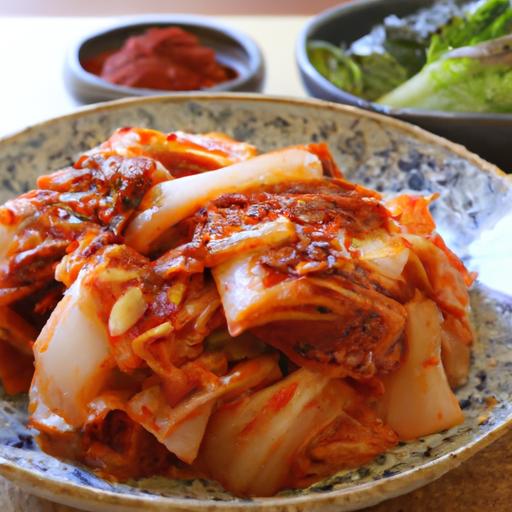



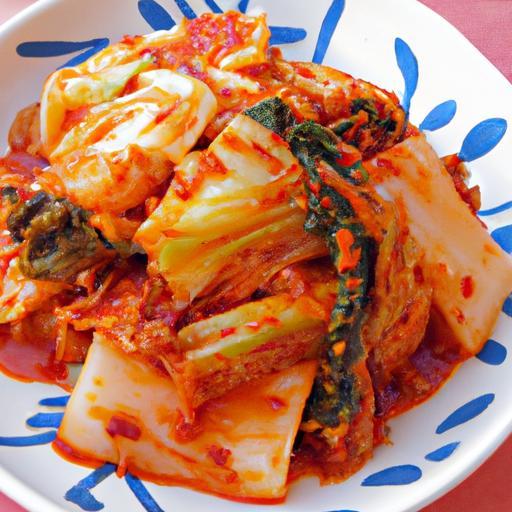
In the vibrant tapestry of Korean cuisine, few dishes embody the rich heritage and enduring spirit of a culture quite like kimchi. This iconic fermented delicacy,with its bold flavors and deep-rooted traditions,transcends mere sustenance to become a symbol of community,resilience,and history. From fiery red chili pastes to subtle, nuanced blends of vegetables and spices, conventional kimchi recipes offer an exceptional glimpse into Korea’s culinary soul. Join us as we embark on a flavorful journey through time, exploring the timeless flavors and age-old techniques that have made kimchi a beloved staple on tables around the world.
Timeless Flavors: Exploring Traditional Korean Kimchi Recipes
Kimchi, celebrated worldwide for its bold, vibrant flavour and remarkable health benefits, is a cornerstone of Korean cuisine that embodies centuries of cultural heritage. Timeless flavors arise from the ingenious fermentation of fresh vegetables and spices, making kimchi both a delicious dish and a living history lesson. From my first taste of homemade kimchi in a bustling Seoul market to crafting my own jars at home, the journey has been nothing short of inspiring-a perfect blend of tradition, texture, and tang that enriches every meal.
Prep and Cook Time
- Planning: 30 minutes
- Fermentation: 3 to 7 days (at room temperature)
- Total Time: Approximately 1 hour hands-on plus fermentation
Yield
Approximately 2 quarts (8 cups) of classic kimchi; serves 6-8 as a side dish.
Difficulty Level
Medium – Requires patience and attention to fermentation details.
Ingredients
- 2 large Napa cabbages (about 4 lbs), quartered and rinsed
- 1 cup kosher salt for salting the cabbage
- 5 cups cold water
- 5 cloves garlic, minced
- 1-inch piece fresh ginger, grated
- 1 medium Korean radish (about 12 oz), peeled and julienned
- 4 green onions, chopped into 1-inch pieces
- 3 tablespoons Korean red pepper powder (gochugaru) – adjust for heat preference
- 2 tablespoons fish sauce (or soy sauce for vegetarian option)
- 1 teaspoon sugar
- Optional: 1 small carrot, julienned for color and crunch
step-by-Step Guide to Mastering Classic Kimchi Preparation
- Prepare the cabbage: Rinse cabbage “leaves off” and cut into quarters lengthwise. Sprinkle salt evenly between each leaf layer. Place cabbage in large bowl and cover with cold water. Soak for 2 hours, turning every 30 minutes to ensure even salting. This wilts the cabbage and draws out moisture necessary for fermentation.
- rinse thoroughly: After salting, rinse cabbage 2-3 times under cold running water to remove excess salt. Drain well and set aside.
- Make the kimchi paste: In a mixing bowl, combine minced garlic, grated ginger, fish sauce, sugar, and Korean red pepper powder. Stir well to create a vibrant, fragrant paste. Adjust gochugaru to your heat tolerance.
- Add vegetables: Toss the julienned radish, chopped green onions, and carrot (if using) into the spicy paste until each piece is generously coated with the vivid red seasoning.
- Mix with cabbage: Spread on disposable gloves and carefully rub the kimchi paste evenly into each cabbage leaf, coating thoroughly.Be gentle to avoid tearing but ensure flavor penetrates.
- Pack and ferment: Tight-pack the seasoned cabbage into an airtight glass jar or fermentation crock, pressing down to remove air pockets. Seal and leave at room temperature (68-72°F) for 2-3 days to start fermenting, then refrigerate to slow fermentation and deepen flavor.
- Monitor and enjoy: Taste kimchi daily after 2 days. When it reaches your preferred tanginess, typically between days 5 to 7, it’s ready to serve and enjoy!
Chef’s Notes and Tips for Success
- Salt type and quantity: Use coarse kosher or sea salt to draw moisture without bitterness. adjust salt slightly depending on cabbage size.
- Fermentation habitat: Keep jars out of direct sunlight and at a consistent room temperature for best fermentation.
- Spice substitution: If Korean chili powder (gochugaru) is unavailable,substitute with mild paprika plus a pinch of cayenne,but traditional flavor will vary.
- Make ahead: Kimchi deepens in flavor and complexity the longer it ferments, so prepare a batch at least a week before you plan to serve.
- Vegetarian version: Replace fish sauce with soy sauce or seaweed broth for a plant-based yet equally umami-rich flavor.
Serving suggestions
Classic kimchi shines as a dynamic side that elevates grilled meats like Korean BBQ or complements comforting bowls of bibimbap and hot stews like kimchi jjigae. Garnish freshly cut kimchi with toasted sesame seeds or finely sliced scallions for added texture and visual appeal. For an adventurous twist, incorporate kimchi into fried rice or pancakes to infuse your dishes with authentic Korean flavor waves.

Nutritional Facts
| Nutrient | Per Serving (1/8 batch) |
|---|---|
| Calories | 35 |
| Protein | 2g |
| Carbohydrates | 6g |
| fat | 0.5g |
| Fiber | 2g |
For a deeper dive into the science behind fermentation and kimchi’s health benefits, visit National Geographic’s feature on kimchi.
Q&A
Q&A: Timeless Flavors – Exploring Traditional Korean Kimchi Recipes
Q1: What makes kimchi a timeless culinary treasure in Korean culture?
A1: Kimchi is more than just fermented vegetables; it’s a living testament to Korea’s history, climate, and communal spirit. Passed down through generations, its blend of tangy, spicy, and umami flavors tells stories of resilience and festivity. Each batch captures the seasonal bounty and regional character, making kimchi a dynamic, ever-evolving staple that honors tradition while inviting personal creativity.
Q2: How do traditional kimchi recipes vary across Korea?
A2: from the southern coastal regions to the northern mountain villages, kimchi takes on unique local personalities. In Jeolla province,for example,the kimchi is known for its rich,spicy depth with plenty of anchovy broth,while northern recipes frequently enough have a milder,saltier profile with less spice due to past preservation needs. Variations in ingredients like radish, green onion, and seafood seasoning reflect both geography and cultural nuance.
Q3: What are the essential ingredients in a classic traditional kimchi?
A3: At its core, traditional kimchi embraces napa cabbage or radish, gochugaru (Korean red chili flakes), garlic, ginger, spring onions, and jeotgal-fermented seafood like salted shrimp or anchovies-which adds a savory depth. The magic lies in the balance: the crisp vegetables, spicy heat, salty tang, and subtle sweetness all blend through fermentation into a complex symphony of flavors.
Q4: How significant is the fermentation process in making traditional kimchi?
A4: Fermentation is the heart and soul of kimchi. It transforms raw ingredients into a probiotic powerhouse rich with beneficial bacteria,enhancing flavor while preserving the vegetables. The process, which can take anywhere from a few days to several weeks depending on temperature, allows the spicy, sour, and umami notes to mature beautifully.Traditionally, kimchi was stored in earthenware pots buried underground to maintain ideal fermentation conditions-a ritual deeply embedded in Korean life.
Q5: Can one make traditional kimchi at home without specialized equipment?
A5: Absolutely! While the traditional onggi pots bring authenticity, modern kitchens can replicate kimchi fermentation with simple glass jars or food-safe plastic containers. The key is cleanliness, proper salting, and maintaining a consistent, cool environment. With patience and attention to detail, home fermenters can craft vibrant, flavorful kimchi that honors tradition and delights the palate.
Q6: How has kimchi influenced global cuisine beyond Korea?
A6: Kimchi has transcended borders, inspiring chefs and food lovers worldwide to experiment and innovate. Its bold, fermented flavor profile complements everything from tacos and grilled cheeses to pasta and soups. As a symbol of Korean culture’s global reach, kimchi encourages a fusion of traditional and contemporary tastes-proving that timeless flavors can spark new stories in every kitchen.
Q7: Why is exploring traditional kimchi recipes important in today’s culinary landscape?
A7: In an era dominated by quick fixes and processed foods, revisiting traditional kimchi recipes reconnects us with natural preservation, seasonal eating, and cultural heritage. It reminds us that food is a living narrative that nourishes both body and soul. By exploring kimchi’s timeless flavors, we honor the past while embracing healthful, enduring practices that enrich our present and future meals.
The Way Forward
As we close the jar on our exploration of traditional Korean kimchi recipes, it’s clear that this humble fermented dish is far more than just a side-it’s a living tapestry of history, culture, and flavor. Each recipe carries the whispers of ancient kitchens and the vibrant pulse of community life, proving that kimchi is truly timeless. Whether you’re a seasoned fermenter or a curious newcomer, embracing these traditional methods invites you to savor not only the bold, tangy tastes but also the rich stories woven into every bite. So, as you dip into the world of kimchi, remember: you’re not just enjoying a dish-you’re celebrating centuries of Korean heritage, one crisp, spicy mouthful at a time.