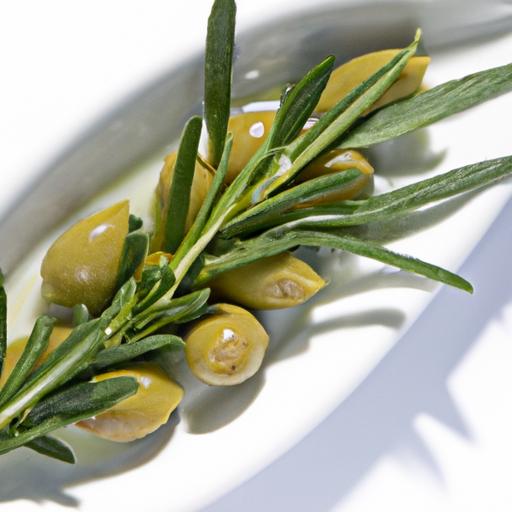



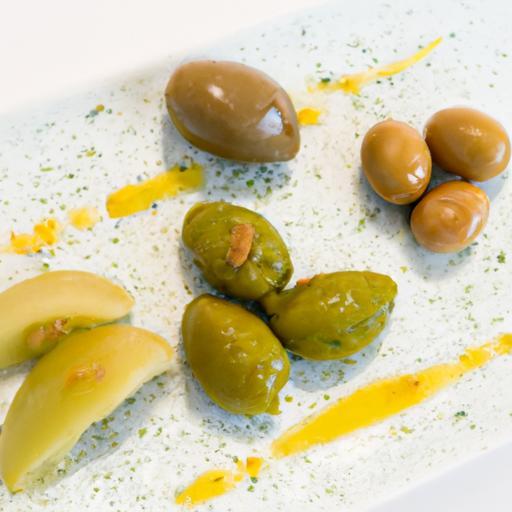
Beneath the silvery shimmer of ancient groves, the olive tree has stood as a timeless symbol of peace, prosperity, and culinary delight. For millennia, its gnarled branches have borne fruit that transcends mere sustenance, weaving itself into the tapestry of cultures, traditions, and tables around the world. “The art of Olives: From Ancient Groves to Modern Tables” invites you on a journey through history and flavor, exploring how this humble fruit has evolved from sacred harvests in mediterranean landscapes to a cornerstone of contemporary cuisine. Join us as we uncover the stories, techniques, and tastes that celebrate the enduring legacy of the olive.
Elevate your Culinary Experience with Olive Oil Pairings and storage Tips
The art of Olives: From Ancient Groves to Modern Tables invites you to explore the exquisite depth of flavor that quality olive oil brings to your kitchen. This rich, fruity elixir-steeped in millennia of tradition-truly transforms dishes from simple to sublime. Today, we’ll dive into a signature Mediterranean-inspired olive oil dipping sauce that perfectly showcases how mastering olive harvesting and pressing techniques enhances your culinary creations.
Prep and Cook Time
- Prep Time: 10 minutes
- Cook Time: None (no-cook recipe)
Yield
- Serves 4 as an appetizer or condiment
Difficulty Level
- Easy
Ingredients
- 1/2 cup extra virgin olive oil (preferably cold-pressed and fresh)
- 1 small garlic clove, finely minced
- 2 teaspoons fresh lemon juice
- 1 tablespoon finely chopped fresh oregano or thyme
- 1/2 teaspoon crushed red pepper flakes (optional for a subtle heat)
- Sea salt to taste
- Freshly ground black pepper, a pinch
- A handful of finely chopped kalamata olives for garnish (optional)
- Crusty artisan bread or fresh vegetable sticks, for dipping
Instructions
- Begin by whisking the olive oil and lemon juice in a small bowl, integrating the acid’s brightness with the oil’s characteristic buttery texture.
- Add the minced garlic, fresh herbs, and crushed red pepper flakes to the bowl. Stir gently but thoroughly to marry the flavors.
- Season with sea salt and black pepper according to your taste preferences. remember,this dipping oil is all about balance-let the olive oil shine without overpowering it.
- For an added textural surprise, fold in the finely chopped kalamata olives just before serving. This introduces a briny contrast that pairs beautifully with the oil’s fruitiness.
- Transfer your seasoned olive oil into a shallow dish for dipping. Serve alongside warm, crusty artisan bread or crisp vegetable sticks for a light yet indulgent starter.
Chef’s Notes
- Oil Selection: Prioritize fresh, cold-pressed extra virgin olive oil sourced directly from single-origin groves.The difference in flavor will elevate your dish tremendously.
- Options for Herbs: Rosemary, basil, or tarragon can be substituted in place of oregano for a unique twist.
- Make-Ahead: Prepare this dip up to 2 hours in advance and store covered in the refrigerator.Bring to room temperature before serving to unlock its full aroma.
- Garlic Intensity: If you prefer a milder garlic flavor, lightly toast the garlic before mincing to soften its bite.
- Perfect Pairing: Try this dipping oil with grilled fish or fresh mozzarella to further enhance your Olive Oil experience.
Serving Suggestions
Present this olive oil dipping sauce in a wide, shallow bowl, finished with a light drizzle of the same extra virgin olive oil for glistening appeal. Garnish with a sprig of fresh oregano or a few whole olives on the side to echo the flavors inside. For a Mediterranean mezze spread, arrange alongside marinated vegetables, crisp pita chips, or hearty sourdough slices. Encourage guests to dip generously and savor the sensory journey from orchard to bottle.

| Nutritional Information (per serving) | Amount |
|---|---|
| Calories | 180 kcal |
| Protein | 0.2 g |
| Carbohydrates | 0.5 g |
| Fat | 20 g |
Discover more about the profound cultural heritage and culinary versatility of olives by reading our detailed article on traditional olive harvesting techniques. For comprehensive insights on olive oil health benefits, visit The International Olive Council.
Q&A
Q&A: The Art of Olives – From ancient Groves to Modern Tables
Q1: Why have olives been so important throughout human history?
A1: Olives are more than just a fruit; they’re a living symbol of civilization itself. cultivated for over 6,000 years,olives have nourished ancient cultures,fueled economies,and inspired mythology. From the sacred groves of Greece to the sun-drenched hills of the Mediterranean, olives have been a staple of sustenance, ritual, and trade, weaving their way into the very fabric of human progress.
Q2: How did ancient peoples transform olives into the prized oils we enjoy today?
A2: The journey from olive to oil is an ancient art, perfected through centuries. Early cultures harvested olives by hand,then crushed the fruit using stone mills or wooden mortars. The paste was pressed under heavy weights to extract precious oil, which was then stored in ceramic amphorae. This labor-intensive process was not just about survival – it was a ritual that connected people to the earth and their heritage.
Q3: What makes olive oil different from other vegetable oils?
A3: Olive oil is a liquid treasure packed with flavor and health benefits. Unlike many oils that require extensive refining,the best olive oils are cold-pressed,retaining natural antioxidants and polyphenols. its rich,fruity or peppery notes carry the essence of the grove’s soil and sun.This complexity elevates olive oil from a cooking ingredient to a culinary art form.
Q4: How have modern techniques changed olive cultivation and oil production?
A4: While tradition runs deep, innovation has blossomed in modern olive agriculture. Mechanization-like mechanical harvesters and advanced milling technologies-has boosted efficiency without sacrificing quality. Precision farming, satellite monitoring, and enduring practices help growers optimize yields and preserve ancient groves for future generations. the art lies in balancing progress with respect for age-old methods.Q5: What role do olives play in contemporary cuisine around the world?
A5: Olives and their oils have transcended geography to become global gastronomic icons. From drizzling golden oil over fresh salads in Italy, to infusing tapenades in Provence, to enhancing spice blends in the Middle East, their presence is ubiquitous. Modern chefs experiment with flavored oils, olive pastes, and even olive wood for cooking, continuously reinventing this timeless ingredient on the contemporary table.
Q6: Can you describe the symbolism of olives beyond their culinary uses?
A6: Indeed, olives carry profound symbolic weight. In ancient times, the olive branch was a global sign of peace and victory. Jewish,Christian,and Islamic traditions hold the olive tree sacred,associating it with wisdom,longevity,and divine blessing. Today, the olive remains a beacon of harmony and resilience, reminding us of nature’s enduring gifts.
Q7: How can we best appreciate olives and olive oil in our daily lives?
A7: Appreciating olives is an invitation to slow down and savor life’s simple pleasures. try tasting different varieties – from briny green olives to rich Kalamatas – and explore oils from diverse regions to detect subtle nuances. Use high-quality extra virgin olive oil as a finishing touch on dishes rather than a cooking medium to fully enjoy its complexity. Ultimately, it’s about honoring a timeless tradition, one bite and sip at a time.
The Conclusion
As we trace the journey of olives from their ancient roots to their place on our modern tables, we uncover more than just a fruit-we discover a living legacy. The humble olive, nurtured through millennia, continues to embody the rhythms of nature, culture, and craftsmanship. Weather pressed into golden oil or served whole as a savory delight,olives remain a timeless symbol of connection-linking past to present,earth to palate,and tradition to innovation. In celebrating the art of olives, we honor not only a culinary treasure but also the enduring story of human creativity and care woven into every grove and every bite.