
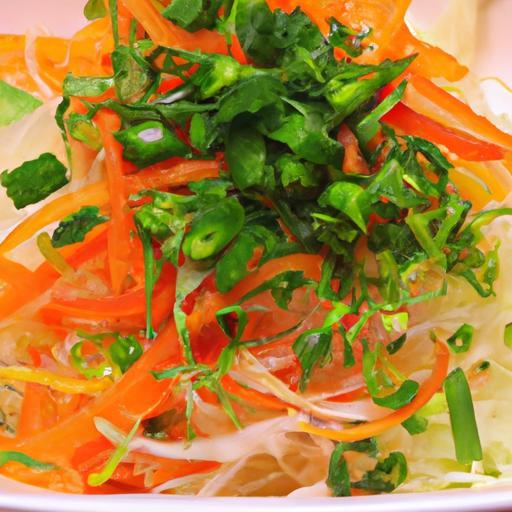
In the vibrant tapestry of Vietnamese cuisine, few elements capture the essence of flavor and tradition quite like the radiant, tangy crunch of pickled daikon and carrot. Known as đồ chua, this humble yet iconic accompaniment weaves together the perfect balance of sweet, sour, and savory notes, offering a refreshing counterpoint to hearty dishes across the country. More than just a side, these colorful pickles tell a story of cultural heritage, resourcefulness, and the art of preservation passed down through generations. Join us as we delve into the zesty world of Vietnamese pickled daikon and carrot, uncovering their history, readiness secrets, and the vibrant role they play on every bustling street corner and family table.
Vietnamese Pickled Daikon and Carrot has long been celebrated as an essential condiment in Vietnamese cuisine, bringing a harmonious tangy crunch that elevates every bite. This vibrant, colorful mixture not only adds zest and texture to dishes like bánh mì sandwiches and spring rolls but also carries deep cultural roots as a symbol of balance and preservation. Passed down through generations, this traditional pickle represents the ingenuity of Vietnamese home cooks who mastered the art of creating bright, lively flavors with simple, natural ingredients.
Prep and Cook Time
- Preparation Time: 15 minutes
- Pickling Time: Minimum 24 hours (ideally 3 days for full flavor advancement)
Yield
- About 4 cups of pickled daikon and carrot
Difficulty Level
- Easy – Perfect for beginner and experienced home cooks alike
Ingredients
- 2 cups daikon radish,peeled and julienned
- 1 cup carrot,peeled and julienned
- 1 cup white vinegar (5% acidity)
- 1 cup water
- ¾ cup granulated sugar
- 1 tablespoon kosher salt
- 2 cloves garlic,thinly sliced (optional)
- 1 small dried chili (optional,for subtle heat)
Instructions
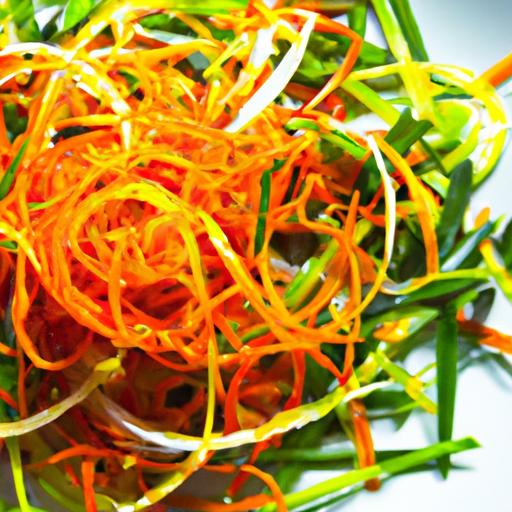
- Prepare the vegetables: Rinse the daikon and carrot thoroughly. Peel and slice them into thin matchsticks (julienne). For an even crunch, keep the vegetable pieces uniform in size.
- Salt the vegetables: In a large bowl, toss the daikon and carrot with the kosher salt and let sit for 15 minutes to draw out excess moisture. This step enhances crunch and prevents sogginess.
- Rinse and drain: Rinse salted veggies under cold running water to remove excess salt. drain well and gently squeeze out any remaining liquid using a clean towel or cheesecloth.
- Prepare the pickling liquid: In a saucepan, combine white vinegar, water, and granulated sugar. Bring to a gentle boil, stirring occasionally until the sugar dissolves wholly. Remove from heat and let cool to room temperature.
- Combine and pack: Place the drained daikon and carrot into a clean glass jar. Add sliced garlic and dried chili if using. pour the cooled pickling liquid over the vegetables, ensuring they are fully submerged.
- Seal and refrigerate: Close the jar tightly and refrigerate for at least 24 hours. For optimal flavor and texture, allow the pickles to mature for 2-3 days before consuming.
Chef’s Notes: Tips for pickling Success
- Freshness is key: Use crisp, fresh daikon and carrots to keep your pickles crunchy and vibrant.
- Adjust sweetness and acidity: The traditional balance leans toward tangy and mildly sweet, but feel free to tweak sugar or vinegar amounts to suit your palate.
- Keep it submerged: Use a small clean weight or fermentation lid to keep vegetables under the pickling liquid, preventing mold growth.
- Customize aromatics: Experiment with ginger slices, star anise, or black peppercorns for varied flavor profiles.
- Make ahead: These pickles can be stored refrigerated up to 3 weeks, making them a convenient, flavorful staple.
Creative Uses and Pairing Suggestions
Vietnamese Pickled Daikon and Carrot shine in a multitude of dishes.They bring a lively crunch to bánh mì sandwiches, balancing rich meats and creamy pâté. Toss them through vibrant rice noodle bowls or sprinkle atop fresh summer rolls for a punch of acidity.They also work beautifully as a zesty side with grilled seafood or roasted meats. garnish salads or place on cheese boards alongside herbs and pickles for a Southeast Asian flair.Their bright colors and crisp texture add instant freshness to any plate.
Nutritional Information
| Nutrient | Per ½ cup serving |
|---|---|
| Calories | 35 kcal |
| Protein | 0.7 g |
| Carbohydrates | 9 g |
| Fat | 0 g |

For a deeper dive into the rich tapestry of Vietnamese flavors, check out our thorough guide on Vietnamese Herbs & Spices. To understand the health benefits and safe canning practices of pickling, the USDA’s National Center for Home Food Preservation offers an authoritative resource hear.
Q&A
Q&A: Tangy Traditions – Exploring Vietnamese Pickled Daikon & Carrot
Q1: What is Vietnamese pickled daikon and carrot, and why is it so iconic?
A: Vietnamese pickled daikon and carrot, known as đồ chua, is a vibrant, crunchy condiment made by speedy-pickling shredded or julienned daikon radish and carrots in a tangy mix of vinegar, sugar, and salt. It’s iconic because it adds a perfect balance of sweet, sour, and crunchy textures to many beloved Vietnamese dishes-from the legendary bánh mì sandwich to fresh spring rolls. Its bright, zesty punch cuts through rich flavors and brings every bite to life.
Q2: How did this pickled duo become a staple in Vietnamese cuisine?
A: The roots of đồ chua trace back to traditional preservation methods, were pickling was essential to keep vegetables fresh in a tropical climate. Over time, these practical origins blossomed into a culinary tradition prized for its balanced flavors. The French colonial influence blended with local tastes also played a role in elevating pickled vegetables, especially in street foods. Today, this tangy duo symbolizes Vietnamese ingenuity in marrying simplicity and flavor.
Q3: What’s the secret to making the perfect pickled daikon and carrot?
A: The secret lies in harmonious proportions and patience. The daikon and carrot need to be cut to an ideal thickness-thin enough to absorb the pickling liquid but thick enough to maintain crunch. A carefully balanced brine of white vinegar, sugar, and salt creates that signature sweet-tart zing. Letting the veggies sit for several hours or overnight allows flavors to deepen beautifully.Some variations include a splash of lime juice or a hint of chili for an extra kick.Q4: How is đồ chua typically used in vietnamese dishes?
A: Đồ chua is the brightness behind many Vietnamese plates. It’s the crisp, colorful bed of flavor in bánh mì, the fresh contrast alongside savory grilled meats, and a cooling counterpoint in rich noodle bowls like bún thịt nướng. It’s also served as a side condiment, ready to add a burst of vibrancy to just about any meal. In essence, it’s the culinary spark plug that enlivens each bite.
Q5: Can I experiment with other vegetables or flavors when making Vietnamese pickled veggies?
A: Absolutely! While daikon and carrot are the traditional stars, many cooks get creative-adding sliced cucumber, onion, or even jicama for different textures and nuances. Playing with the pickling liquid by incorporating kaffir lime leaves,star anise,or garlic can infuse subtle aromatic layers.The essence of đồ chua is its adaptability-so feel free to explore your own tangy traditions in the kitchen.
Q6: What cultural significance does pickled daikon and carrot hold beyond the kitchen?
A: Beyond flavor, đồ chua represents resilience and resourcefulness-a culinary thread woven through daily life and celebrations alike. It embodies the Vietnamese ethos of balance and harmony, both in taste and community. Sharing a dish with pickled veggies often means sharing history, family stories, and a connection to the land’s rhythms. It’s a simple bowl with a profound cultural heartbeat.
With its punchy flavor and rich heritage,vietnamese pickled daikon and carrot isn’t just a condiment-it’s a crunchy,tangy snapshot of tradition,waiting to brighten your plate and palate.
The Way Forward
As the crisp bite of pickled daikon and carrot lingers on the palate, it’s clear that these vibrant strands are more than just a simple side-they are a flavorful thread woven through the fabric of Vietnamese culture. From bustling street markets to family dining tables, this tangy tradition offers a refreshing balance that brightens every meal. Exploring the art and history behind these pickled delights reveals not only the ingenuity of Vietnamese cuisine but also its deep respect for harmony and preservation.So next time you encounter that cheerful crunch, remember: you’re tasting centuries of heritage, skillfully preserved in every tangy, colorful bite.