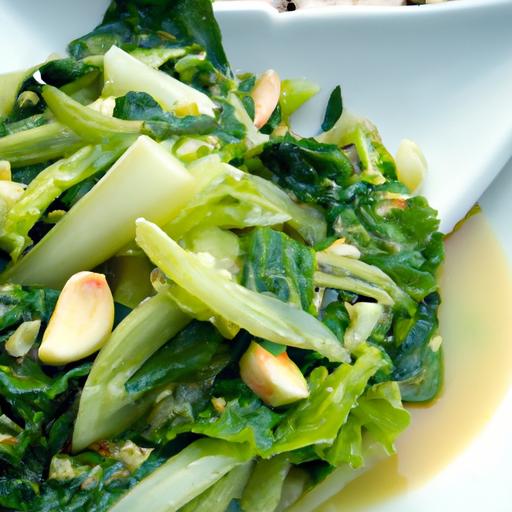



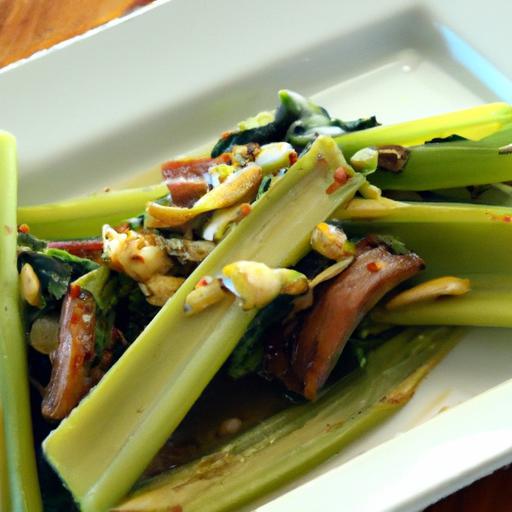
In the vibrant tapestry of Southeast Asian cuisine, few ingredients capture the perfect balance of tangy zest and crunchy delight quite like Thai pickled mustard greens. These humble greens, transformed through a time-honored pickling process, offer a tangy punch that elevates simple dishes into unforgettable culinary experiences. Whether tucked into a spicy noodle bowl, stirred into fragrant stir-fries, or savored as a palate-cleansing condiment, tangy Thai pickled mustard greens bring an authentic burst of flavor that has long been cherished in Thai kitchens. In this article, we unravel the secrets behind this beloved delicacy, sharing authentic recipes that invite you to bring the radiant, bold tastes of Thailand right into your own home.
Tangy Thai Pickled Mustard Greens offer a zesty burst of umami that beautifully complements rich and spicy dishes.This conventional Thai delicacy, deeply rooted in Northern Thailand’s culinary heritage, has been cherished for centuries as a way to preserve the mustard greens while infusing them with a bright, tangy flavor. Growing up near Chiang Mai, I vividly remember the vibrant jars of pickled mustard greens lining the shelves of street vendors and local markets, their aroma promising an exciting contrast to the region’s creamy curries and hearty noodles.
Prep and Cook Time
- Planning: 15 minutes
- fermentation: 5 to 7 days (depending on temperature)
- Total Time: Approximately 5-7 days
Yield
- About 4 cups of pickled mustard greens
Difficulty Level
- medium – Requires some patience for fermentation but very approachable
essential Ingredients and Tools for Authentic preparation
- 1 large bunch fresh mustard greens (about 300g),washed and trimmed
- 2 tablespoons coarse sea salt
- 3 cups filtered water (non-chlorinated)
- 1 tablespoon sugar (palm sugar preferred)
- 2 cloves garlic,thinly sliced
- 1 small Thai bird’s eye chili,sliced (optional for spice)
- Clean glass jar with airtight lid (1-liter capacity)
- Weight or fermentation airlock device (to keep greens submerged)
Origins and Cultural Importance of Tangy Thai pickled Mustard Greens
In the cool mountain regions of Northern Thailand,were fresh produce was seasonally abundant yet needed preservation,Thai pickled mustard greens became a staple. This tangy preservation method allowed families to enjoy the hearty crunch and peppery essence of mustard greens long after harvest. Beyond its culinary appeal, it symbolizes Thai ingenuity in fermentation and balance – embracing sour, salty, and subtly sweet notes that reflect the foundational flavors of Thai cuisine. It also serves as a perfect palate cleanser to counterbalance the richness of northern Thai dishes like Khao Soi or Laab.
Step-by-Step guide to Perfecting the Tangy Flavor Balance
- Brine Preparation: dissolve the 2 tablespoons of coarse sea salt and 1 tablespoon of palm sugar into 3 cups of filtered water, stirring until fully dissolved. Use room temperature water to avoid shocking the greens.
- Mustard Greens Prep: Submerge the washed mustard greens in cold water and rinse several times to ensure crisp freshness. Trim any tough stems.
- Layering: In your clean glass jar, add a layer of mustard greens, then scatter a few garlic slices and chili slices. repeat until all ingredients are in the jar, pressing gently to pack tightly without bruising.
- Brining: Pour the prepared brine over the greens ensuring they are fully submerged. Using a fermentation weight or a clean stone,press the mustard greens down to keep them beneath the liquid to prevent mold growth.
- Fermentation: Seal the jar loosely (to allow gas exchange) or use an airlock and leave in a cool, dark place (around 20-24°C). Let ferment for 5 to 7 days, tasting daily after day 4 to find your perfect tanginess level.
- Refrigeration: Once desired tangy flavor develops, tighten lid and refrigerate. This slows fermentation and preserves the flavor.
Chef’s Notes: Tips for Success with Tangy Thai pickled Mustard Greens
- Salt Control: Adjust the salt slightly if you prefer a milder brine, but remember salt is key to safe fermentation.
- Water Quality: Avoid chlorinated water as it can inhibit fermentation.Use filtered or bottled water.
- fermentation Time: Warmer climates accelerate fermentation but keep an eye to avoid overly sour or soft greens.
- Variations: Add sliced ginger or a few peppercorns for an extra aromatic twist.
- Make-Ahead: These pickled greens improve in flavor over time and can be kept refrigerated for up to 3 weeks.
Creative Serving Suggestions and Pairing Recommendations
Serve these vibrant Tangy Thai Pickled Mustard Greens alongside rich, creamy dishes such as khao Soi (Northern thai coconut curry noodle soup) to brighten every bite. They also bring an exciting crunch and acidity to grilled pork or fried rice bowls. Toss them into stir-fries at the last minute for a burst of flavor or add to a sandwich as a tangy condiment. Garnish with fresh cilantro and a drizzle of toasted sesame oil for a restaurant-worthy finish. Their natural tang also pairs remarkably well with fatty fish or barbecued chicken.
| Nutrient | Per Serving (50g) |
|---|---|
| Calories | 25 kcal |
| Protein | 2 g |
| Carbohydrates | 4 g |
| Fat | 0.1 g |
| Fiber | 1.5 g |

For more authentic Thai accompaniments,explore our Khao Soi recipe,perfectly complemented by these pickled mustard greens.
For an in-depth understanding of fermentation safety and techniques, visit the Science Daily fermentation insights.
Q&A
Q&A: Tangy Thai Pickled Mustard Greens – Authentic Recipes Revealed
Q1: What exactly are Tangy Thai Pickled Mustard Greens?
A: Tangy Thai Pickled Mustard Greens, known locally as Pak Kat Dong, are crunchy, slightly sour, and spicy preserved mustard greens that have been fermented in a flavorful brine. They are a staple in Northern Thai cuisine, adding a bright, tangy punch to a variety of dishes.
Q2: Why are these pickled mustard greens so beloved in Thai cuisine?
A: They serve as a perfect contrast to rich and spicy dishes, cutting through heaviness with their zesty acidity. Their unique fermented flavor deepens the overall taste profile, enhancing everything from noodle soups to grilled meats.
Q3: What are the main ingredients used in authentic Thai pickled mustard greens?
A: Traditionally, fresh mustard greens, coarse salt, water, and frequently enough garlic, chili, and sometimes ginger or turmeric are used. The magic lies in the slow fermentation process,where natural microbes transform the greens into that signature tangy delight.
Q4: How long does it take to ferment the mustard greens authentically?
A: Typically, fermentation lasts anywhere from 5 to 14 days, depending on the ambient temperature and desired sourness. Warmer climates speed up the process, resulting in more pronounced tanginess.
Q5: Can you share a basic authentic recipe to try at home?
A: Absolutely! Here’s a simple version:
- Wash and chop fresh mustard greens into bite-size pieces.
- Mix them with 2-3% weight of coarse salt in a large jar.
- Press down firmly and add filtered water to cover entirely,ensuring no air pockets.
- Add crushed garlic and Thai bird’s eye chilies for flavor.
- Seal the jar loosely to allow gases to escape and place it in a cool, dark spot.
- Taste after 5 days, then daily until it reaches your preferred tanginess. Refrigerate afterward.
Q6: Are ther regional variations of pickled mustard greens in Thailand?
A: Yes! Northern Thailand frequently enough includes local herbs and adjusts spice levels, while Central Thai versions may incorporate palm sugar for a sweeter twist. Each region offers a nuanced take, reflecting local tastes and ingredients.
Q7: How should Tangy thai Pickled Mustard Greens be stored once fermented?
A: After fermentation, store the greens in the fridge to slow down the process and lock in the flavor. They can last for several weeks, maintaining their crunch and tang.Q8: What dishes pair best with these pickled greens?
A: They shine alongside Northern Thai favorites like Khao Soi (curry noodle soup), grilled pork neck, or even mixed into stir-fries and fried rice. Their bright acidity also complements fatty and grilled meats wonderfully.
Q9: Are there any health benefits to eating pickled mustard greens?
A: Absolutely! Fermented mustard greens are rich in probiotics that support gut health. They also provide vitamins A and C along with antioxidants, making them a flavorful way to boost your nutrition.
Q10: Any tips for beginners wanting to try pickling mustard greens for the first time?
A: Start small and be patient! Use fresh, crisp mustard greens and clean jars to avoid unwanted bacteria. Taste frequently during fermentation to find your perfect tang and don’t be afraid to experiment with added aromatics like ginger or lemongrass to customize your pickles.
Unlock the vibrant tang of Thai tradition with these authentic pickled mustard greens – a simple recipe that transforms humble greens into a culinary treasure!
Key Takeaways
As the vibrant tang of Thai pickled mustard greens dances on your palate, you’ve uncovered more than just a recipe-you’ve embraced a culinary tradition steeped in history and bold flavors. Whether tucked into a savory stir-fry, enlivening a humble bowl of rice, or savored straight from the jar, these zesty greens bring a unique punch that elevates everyday meals into remarkable experiences. Armed with authentic techniques and insider tips, you’re now ready to embark on your own flavorful journey through the heart of Thai cuisine.So, roll up your sleeves, let your taste buds guide you, and transform humble mustard greens into a tangy treasure that honors the rich heritage of Thailand’s vibrant food culture.