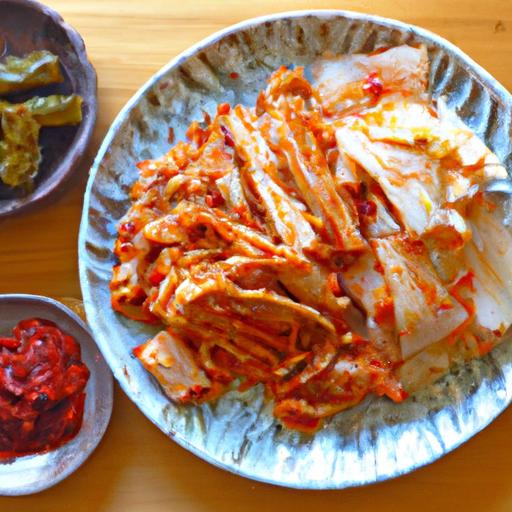



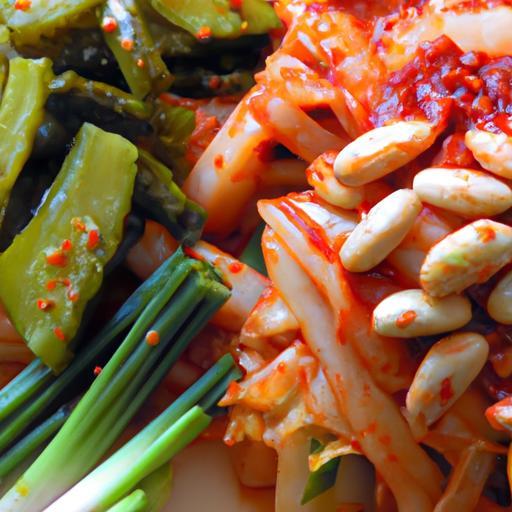
Bold, vibrant, and bursting with flavor, Korean kimchi is much more than just a side dish-it’s a culinary tradition steeped in history and culture. For those embracing a plant-based lifestyle, kimchi offers an exciting gateway to explore tangy, spicy, and savory sensations that awaken the palate. In this article, we dive into the heart of vegan Korean kimchi recipes, unveiling creative twists and time-honored techniques that celebrate the fermented goodness without any animal products. Whether you’re a seasoned fermenter or a curious kitchen adventurer, get ready to transform simple vegetables into probiotic-rich, flavor-packed delights that bring the true spirit of Korea right to your table.
Tangy & Spicy: Appetizing Vegan Korean Kimchi Recipes to Try unlock the vibrant, pungent world of Korea’s most iconic fermented dish. This vegan version preserves all the bold flavors that make traditional kimchi so unforgettable-spicy, sour, and deeply savory-while embracing plant-based ingredients that nourish both your body and soul. Having crafted kimchi countless times in my own kitchen, I find this recipe the perfect balance of authentic kimchi zest and approachable planning, bringing a crunchy, spicy fire to any meal.
Prep and Cook Time
- Preparation: 30 minutes
- Fermentation: 2-5 days (depending on desired tanginess)
- Total Time: Approximately 5 days
Yield
About 1 quart (4 cups) of kimchi, perfect for 4-6 servings
Difficulty Level
Medium – Requires some prepping but well worth the effort
Essential Ingredients for authentic Tangy and spicy Vegan Kimchi
- 1 medium Napa cabbage (about 2 pounds), quartered and rinsed
- 1/4 cup coarse sea salt, for salting cabbage
- 4 cups filtered water
- 1 cup daikon radish, julienned
- 4 green onions, sliced into 1-inch pieces
- 1/2 cup Korean red chili pepper flakes (gochugaru) - adjust for heat preference
- 1/4 cup grated carrot, for subtle sweetness and texture
- 6 cloves garlic, finely minced
- 1 tablespoon fresh ginger, finely grated
- 3 tablespoons tamari or soy sauce (ensure gluten-free if preferred)
- 1 tablespoon maple syrup or rice syrup
- 1/3 cup water for mixing the spice paste
- Optional: 1/4 cup firm tofu, crumbled finely for umami depth
Step by Step Guide to Crafting Your Perfect Vegan Kimchi
- Salt the Cabbage: Place the quartered Napa cabbage in a large bowl. Sprinkle the coarse sea salt between the layers, then pour 4 cups of filtered water over it. Press down gently to submerge.Let it sit for 2 hours, flipping every 30 minutes to ensure even softening. This process draws out moisture and begins tenderizing the cabbage.
- Rinse and Drain: After 2 hours, thoroughly rinse each cabbage quarter under cold running water to remove excess salt. Drain well and set aside.
- Prepare the Spice Paste: In a medium bowl,combine the finely minced garlic,grated ginger,Korean red chili pepper flakes,tamari,maple syrup,and 1/3 cup water.Stir until you have a thick,cohesive paste. Fold in the julienned daikon, shredded carrot, green onions, and optional crumbled tofu to infuse texture and additional complexity.
- Mix with Cabbage: Wearing kitchen gloves to protect your hands from chili irritation, vigorously massage the spice paste into each cabbage leaf, ensuring every fold is coated generously with the spicy mixture.
- Pack and ferment: Firmly press the coated cabbage into a clean, airtight glass jar or fermentation container.Leave about an inch of headspace.Seal the jar and let it sit at room temperature (65-72°F) for 2-5 days,depending on how tangy and sour you prefer your kimchi. Remember to press down daily to keep the cabbage submerged in its own juices. After fermentation, transfer to the refrigerator to slow down the process and enjoy fresh.
Tips for Success
- Salt Type: Use coarse sea salt or kosher salt-avoid iodized salt as it can inhibit fermentation.
- Souring Control: Ferment in a cool, dark spot to slow the process or a warmer area for a faster tangy kick.
- Chili Heat: Adjust gochugaru quantity to your spice tolerance; quality flakes yield vibrant color and authentic flavor.
- Substitutions: If daikon isn’t available,try finely chopped radish or even apple for a sweet twist.
- Make-Ahead: Kimchi improves with time. Make it up to 2 weeks ahead and refrigerate for a deeper,mellow flavor.
- Glove Use: always wear gloves when mixing the spicy paste to avoid irritating your skin.
Creative Twists and Serving Suggestions to Elevate Your Kimchi Experience
Once your kimchi achieves that perfect balance of tangy and spicy,it’s a versatile powerhouse in your culinary repertoire:
- Classic banchan: Serve chilled alongside steamed rice and Korean BBQ or vegetable stir-fries for an authentic experience.
- Kimchi Fried Rice: Stir-fry day-old rice with chopped kimchi, sautéed tofu, and green onions for a quick, enlivening meal.
- Spicy Kimchi Stew: Add kimchi to an enriching vegan broth with mushrooms and silken tofu for warmth and depth.
- wrap It Up: Use large lettuce leaves to wrap kimchi with grilled vegetables or tempeh for a fresh handheld bite.
- Egg-Free Kimchi Pancakes: Blend chopped kimchi with flour and water, then pan-fry until golden for a perfect snack.
- Garnishes: Top with toasted sesame seeds, thinly sliced scallions, or a drizzle of toasted sesame oil to amplify the aroma and taste.
| Nutrient | Per Serving (½ cup) |
|---|---|
| Calories | 40 |
| Protein | 2g |
| Carbohydrates | 8g |
| Fat | 0.5g |

Craving to explore more plant-powered Korean flavors? Dive into our vegan japchae recipe – another timeless favorite bursting with bold spices and textures.
For a deeper understanding of Korean fermentation techniques and health benefits, explore this scientific overview on kimchi and gut health.
Q&A
Q&A: Tangy & Spicy - Delicious Vegan Korean Kimchi Recipes to Try
Q1: What makes traditional Korean kimchi so special?
A1: Traditional Korean kimchi is a burst of flavor-a interesting dance of tangy, spicy, umami, and slightly sweet notes all wrapped up in crunchy vegetables. It’s more than just a side dish; it’s a cultural emblem fermented over centuries, known for its gut-friendly probiotics and vibrant zest.
Q2: Can kimchi be made vegan? Isn’t it usually made with fish sauce or shrimp?
A2: Absolutely! While many classic kimchi recipes use fish sauce or fermented seafood for depth,vegan kimchi swaps these out for plant-based alternatives like seaweed,soy sauce,miso,or even tamari. These ingredients bring that signature savory punch without compromising the vegan ethos.
Q3: What vegetables are typically used in vegan kimchi recipes?
A3: Napa cabbage is the star player, but there’s room for creativity with radishes, cucumbers, green onions, garlic, and even carrots. Each vegetable lends its own texture and sweetness, balancing the fiery red pepper flakes and salty seasonings.
Q4: How spicy is vegan kimchi compared to traditional versions?
A4: Vegan kimchi can be just as fiery, or dialed back depending on your taste buds! The heat primarily comes from gochugaru-Korean red chili pepper flakes-which you can adjust generously for a blazing kick or sparingly for a gentle warmth. It’s all about personal preference.
Q5: What’s the fermentation process like for vegan kimchi?
A5: It’s a natural magic show! After mixing your vegetables with seasonings and vegan “fishy” savoriness from seaweed or miso, you pack everything tightly into a jar. Over days to weeks at room temperature, friendly bacteria feast on sugars in the veggies, creating those signature tangy, bubbly flavors. Patience is key!
Q6: How can I incorporate vegan kimchi into my everyday meals?
A6: The possibilities are endless! Toss it into vegan bibimbap bowls, stir it into fried rice, use it as a tangy topping for grain bowls, or simply enjoy it straight from the jar as a probiotic-packed snack. Vegan kimchi adds a spicy, umami-rich pop to elevate any dish.
Q7: Are there any tips for beginners trying to make vegan kimchi at home?
A7: start simple-use fresh, crisp vegetables and fresh gochugaru.Be generous with garlic and ginger to boost ferment flavors.Use clean utensils and jars to avoid unwanted bacteria, and taste-test your kimchi daily after a couple of days until it reaches your perfect tangy-spicy balance. Don’t be afraid to experiment!
Q8: Where can I find authentic ingredients like gochugaru and vegan fish sauce substitutes?
A8: asian grocery stores are treasure troves for kimchi ingredients. Online shops specializing in Korean or vegan pantry staples also offer gochugaru, miso paste, seaweed flakes, and tamari. With a few clicks,you can gather everything to craft your own fiery vegan kimchi.Q9: Is vegan kimchi healthy?
A9: Yes! Vegan kimchi is a probiotic powerhouse, packed with fiber, vitamins, and antioxidants. The fermentation process promotes beneficial gut bacteria, aiding digestion and overall wellness. Plus, it’s low in calories but big on flavor.
Q10: What’s a good vegan kimchi recipe to try for starters?
A10: Try this simple vegan kimchi: soak chopped Napa cabbage in salt water, rinse, then mix with minced garlic, grated ginger, sliced green onions, julienned carrots, gochugaru, a splash of tamari, and crumbled toasted seaweed. Pack into a jar, press down firmly, cover loosely, let ferment 3-5 days at room temp, then refrigerate. Taste daily until it’s tangy and spicy to your liking!
Dive into the world of tangy, spicy, and utterly delicious vegan Korean kimchi-an ancient tradition perfectly reinvented for plant-based diets. Your taste buds and gut will thank you!
in Conclusion
Whether you’re a seasoned kimchi connoisseur or a curious culinary adventurer, these tangy and spicy vegan Korean kimchi recipes invite you to dive into a world of vibrant flavors and nourishing tradition. From the gentle fermentation that transforms humble vegetables into lively probiotics, to the bold spices that awaken your palate, making kimchi at home is both an art and a joyful experiment.So grab your gloves, gather your ingredients, and let your kitchen become a fragrant haven of creativity-because with every tangy, spicy bite, you’re not just enjoying a dish; you’re embracing a rich cultural legacy that’s as healthy as it is delicious. Happy fermenting!