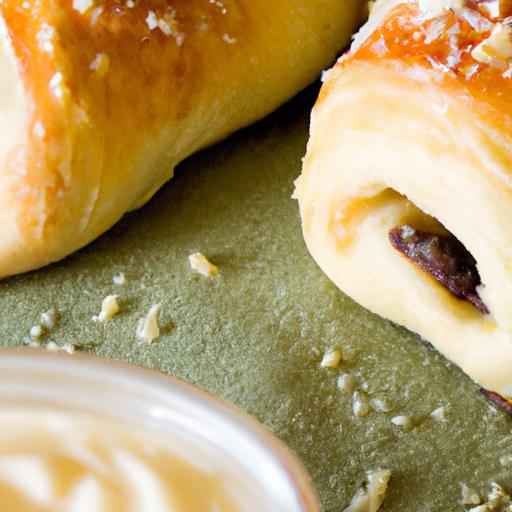



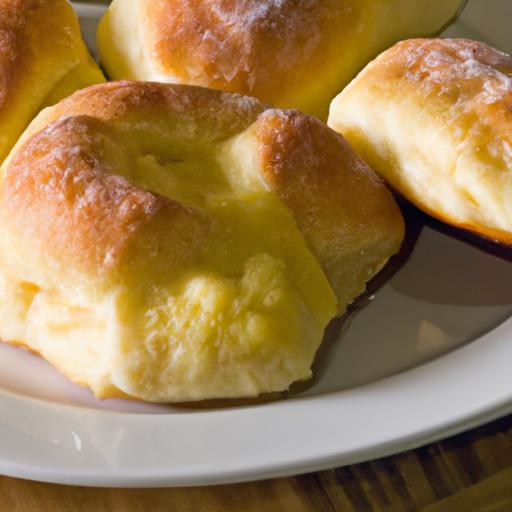
In the heart of Texas,where cultures blend and stories rise like warm morning dough,the kolache stands as a delicious emblem of heritage and community. This sweet pastry, with its tender, yeasty crust and vibrant fruit or cream cheese fillings, carries more than just flavor-it carries the rich history of Czech immigrants who made the Lone Star state their new home. Join us as we journey through the origins, recipes, and enduring traditions of Texas-Czech kolaches, uncovering how this humble treat has evolved into a beloved symbol of cultural pride and culinary delight. whether you’re savoring one fresh from a bakery or experimenting in your own kitchen, the story of the kolache is a testament to the sweet fusion of history and taste.
Sweet Heritage is a story baked into every soft, golden bite of the Texas-Czech Kolaches – a culinary treasure that carries with it the rich traditions, flavors, and heart of Czech immigrants who settled in Texas during the 19th century. These charming pastries, with their tender dough and vibrant fruit or cheese fillings, are much more than desserts; they are edible heirlooms that connect generations and cultures through time and taste.
Prep and Cook Time
- Preparation: 30 minutes
- Rising: 2 hours (including proofing time)
- Baking: 15-18 minutes
- Total: Approximately 3 hours
Yield
- Makes 18 kolaches
Difficulty Level
- Medium – requires some patience with dough rising and shaping but very rewarding
Ingredients
- 3/4 cup whole milk, warmed to 110°F (lukewarm)
- 2 tsp active dry yeast
- 1/4 cup granulated sugar
- 3 1/2 cups all-purpose flour, sifted
- 1/2 tsp salt
- 1/2 cup unsalted butter, softened
- 2 large eggs, room temperature
- 1 tsp vanilla extract
- 1 cup traditional fruit filling (such as apricot, prune, or cream cheese with lemon zest)
- 1 egg yolk mixed with 1 tbsp milk (for egg wash)
- Optional: poppy seeds or streusel topping
Instructions
- Activate the yeast: in a small bowl, combine the warm milk, yeast, and 1 tablespoon of sugar. stir gently and let sit for 5-7 minutes until frothy and bubbly, signaling the yeast is active.
- Prepare the dough: In a large mixing bowl, whisk together the flour, remaining sugar, and salt. Add softened butter, eggs, and vanilla extract. Pour in the activated yeast mixture. Mix with a wooden spoon or mixer fitted with a dough hook until it forms a soft dough.
- Knead the dough: Turn the dough onto a lightly floured surface. knead for 7-10 minutes until smooth and elastic. alternatively, knead in your stand mixer for 5-7 minutes on medium speed.
- First rise: Place dough in a greased bowl, cover with a clean kitchen towel or plastic wrap, and let it rise in a warm spot for 1.5 to 2 hours, or until doubled in size.
- Shape the kolaches: Punch down the dough gently.Divide into 18 equal pieces and shape each into a smooth ball. Place on a parchment-lined baking sheet, spacing at least 2 inches apart.
- Fill the kolaches: Using your thumb or the back of a spoon, create a shallow well in the center of each ball. Fill each well with 1 to 2 teaspoons of your chosen fruit or cheese filling.
- Second rise: Cover loosely with plastic wrap and let rise for another 45 minutes until puffed and airy.
- Preheat oven & egg wash: Preheat your oven to 375°F (190°C). Gently brush the exposed dough edges with the egg yolk and milk wash for a golden finish.
- Bake: Bake for 15-18 minutes or until kolaches are golden brown and filling is set but not dried out.
- Cool and serve: Let them cool on a wire rack for 10 minutes before enjoying warm or at room temperature.
Chef’s Notes: Tips for Baking Success
- Dough temperature is key: Lukewarm milk helps activate yeast without killing it. Avoid overheated liquids above 115°F.
- experiment with fillings: Traditional apricot, prune, and poppy seed are crowd favorites, but try fresh peach jam or savory kolaches filled with smoked sausage for a Texas twist.
- Make ahead & freeze: Kolaches freeze well both baked and unbaked.Freeze shaped kolaches on parchment overnight, then bake directly from frozen, adding a couple of extra minutes to baking time.
- Streusel topping option: for added texture and sweetness, sprinkle crumbly streusel on top before baking.
- proofing surroundings: If your kitchen is cold, proof dough in a warm, draft-free place like inside the oven with the light on.
Serving Suggestions
Texas-Czech Kolaches shine when served alongside fresh coffee or sweetened tea, making them a beloved breakfast staple or afternoon treat. Garnish with a light dusting of powdered sugar or a drizzle of warm honey to accentuate their sweetness. For vibrant presentation, arrange assorted fruit-filled kolaches on a rustic wooden board, accompanied by small bowls of extra preserves for dipping.
| nutritional Info (per kolache) | Amount |
|---|---|
| Calories | 220 |
| Protein | 5g |
| Carbohydrates | 30g |
| Fat | 8g |

Regional Variations and Flavor Innovations in Texas-Czech Kolaches
While the Sweet Heritage roots cling firmly to apricot, prune, and poppy seed fillings, Texas’ fertile grounds have inspired imaginative baking adaptations. From jalapeño cream cheese kolaches adding a gentle zip of spice, to kolaches stuffed with smoked brisket or savory breakfast sausage, the recipe has evolved into a cultural bridge between Czech traditions and Texas flavors. These variations highlight the dynamic food heritage that continues to inspire passionate bakers and hungry food lovers alike.
Curious how these pastries fit into larger Central European baking traditions? Explore the history and recipes of European pastry traditions to deepen your appreciation.
For a scholarly perspective on the czech immigrant influence in Texas culinary culture, the Texas Standard article on Czech-Texas heritage offers insightful context and storytelling.
Q&A
Q&A: Sweet Heritage – exploring Traditional Texas-Czech Kolaches
Q1: What exactly are kolaches, and how did they become a Texas tradition?
A1: Kolaches are soft, pillowy pastries filled with sweet or savory fillings like fruit, cream cheese, or sausage. Rooted in Czech culture, kolaches traveled across the Atlantic with immigrants who settled in Texas in the 19th century. Texas-Czech kolaches evolved into an iconic regional treat, blending old-world recipes with new-world flavors-a delicious symbol of heritage and community.
Q2: How do traditional texas-Czech kolaches differ from their Czech counterparts?
A2: While Czech kolaches frequently enough feature sweet fillings like prune, apricot, or poppy seed, Texas kolaches embrace a wider flavor palette, notably savory options like sausage and cheese.The dough in Texas tends to be slightly richer and softer, reflecting regional tastes and ingredients, creating a uniquely Texan twist on a beloved classic.
Q3: What role do kolaches play in Texas culture today?
A3: Beyond being a breakfast favorite, kolaches are a cultural touchstone in Texas. they appear at family gatherings, church socials, and local bakeries, embodying a link to ancestral roots and community spirit. Festivals celebrating Czech heritage frequently enough showcase kolache baking contests, highlighting the pastry’s status as both a culinary delight and a symbol of identity.
Q4: Can you describe the traditional process of making Texas-Czech kolaches?
A4: Making kolaches is an art steeped in tradition. The dough is first lovingly kneaded and left to rise until its texture is soft and airy. Then, it’s gently shaped into rounds, each cradling a generous spoonful of filling. After a second rise, the kolaches bake until golden, the aroma filling kitchens with a nostalgic warmth.The process is as much about patience and care as it is about flavor.Q5: Are there must-try flavors or regional variations within Texas?
A5: Absolutely! While classic fruity fillings like apricot or cream cheese remain favorites, in Texas, the savory kolache reigns supreme. Sausage kolaches, sometimes with jalapeños or cheese, reflect the state’s bold palate. In places like West, Texas-the “Kolache Capital of Texas”-one can find inventive variations that showcase local produce and spices, making each bite a journey through Texan creativity and heritage.
Q6: how can someone new to Texas-Czech kolaches best experience this delicious tradition?
A6: Start by visiting a local bakery famed for its kolaches, especially in Texas towns with rich Czech histories. Sampling a variety of fillings offers insight into the sweet and savory spectrum. Pairing kolaches with a warm cup of coffee in a cozy community bakery is the perfect introduction to the heartfelt hospitality and rich history baked into every pastry.
Q7: Why do kolaches remain such an enduring symbol of Texas-Czech heritage?
A7: Kolaches endure because they represent more than food-they are edible stories. Each bite connects generations, weaving together tradition, migration, and adaptation. They remind Texans of a pioneering spirit, a love for community, and the sweet comfort found in preserving cultural roots amid new frontiers. Simply put, kolaches are heritage made delicious.
To Conclude
As the aroma of freshly baked kolaches lingers in the air, it’s clear that these humble pastries are much more than just a sweet treat-they are edible echoes of a rich cultural tapestry woven through time and tradition. From the rolling hills of the Czech countryside to the vibrant heart of Texas towns, kolaches tell a story of heritage, community, and the sweet comforts of home. Whether you savor them with a fruity filling or a savory twist, each bite connects you to generations past and the enduring spirit of the texas-Czech experience.So next time you find yourself craving something uniquely satisfying, remember: a kolache is not just food-it’s a warm slice of history, lovingly baked into every fold.