


In the fast-paced rhythm of everyday life, preparing meals that are both fast and nutritious can feel like a daunting challenge-especially when managing diabetes. But what if dinner didn’t have to be a compromise between health and convenience? Welcome to Speedy & Healthy: Diabetic-Amiable Dinners Made Simple, where simplicity meets smart nutrition. In this article, we’ll explore delicious recipes and practical tips designed to keep blood sugar balanced without sacrificing flavor or time. Whether you’re cooking for yourself or your loved ones, these meal ideas prove that eating well with diabetes can be effortless, satisfying, and downright enjoyable. Get ready to transform your dinner routine into a breeze of wholesome goodness!
Speedy & Healthy: Diabetic-Friendly Dinners Made Simple
Speedy & Healthy: Diabetic-Friendly Dinners made Simple unlocks a world of vibrant flavors and nutrient-packed ingredients that truly cherish your well-being. When choosing fresh, wholesome components, itS essential to focus on foods that gently stabilize blood sugar while delivering satisfying meals. By embracing quick cooking techniques, we preserve both the integrity and the natural burst of flavors from each ingredient, making your dinner experiance truly rewarding.
Prep and Cook Time
Prep: 15 minutes | Cook: 20 minutes | Total: 35 minutes
Yield
4 servings
Difficulty Level
Easy
Ingredients
- 1 tablespoon extra virgin olive oil
- 2 cloves garlic, minced
- 1 medium yellow onion, diced
- 2 cups chopped kale, stems removed
- 1 cup cherry tomatoes, halved
- 1 cup cooked quinoa
- 1 cup cooked skinless chicken breast, sliced
- 1 medium zucchini, diced
- 1/4 cup low-sodium vegetable broth
- 1/2 teaspoon smoked paprika
- 1/4 teaspoon ground black pepper
- Salt to taste
- 1 tablespoon fresh lemon juice
- 2 tablespoons chopped fresh parsley, for garnish
Instructions
- Heat the olive oil in a large non-stick skillet over medium heat. Add the diced onion and sauté until translucent and aromatic, about 4 minutes.
- Add the minced garlic and cook for 1 minute, stirring continuously to avoid burning which could turn the flavor bitter.
- Toss in the diced zucchini and cook for 5-6 minutes, stirring occasionally, until the vegetables soften but still retain a slight bite – this quick sauté locks in nutrients and vibrant texture.
- Stir in the chopped kale along with low-sodium vegetable broth. Cover and let steam for 3 minutes, allowing the kale to wilt gently without overcooking.
- Add the cherry tomatoes, smoked paprika, black pepper, and salt. Cook uncovered for another 2 minutes so the tomatoes release their juices, creating a naturally tangy base.
- Mix in the cooked quinoa and sliced chicken. Fold everything together gently until evenly heated through, approximately 3 minutes, ensuring the chicken remains tender and juicy.
- Finish with a splash of fresh lemon juice and sprinkle the chopped fresh parsley on top, brightening the dish with a zesty aroma.
Tips for Success
- Customize your greens: Swap kale for baby spinach or swiss chard for variety without compromising nutrition.
- make it plant-based: Substitute chicken with firm tofu or chickpeas-both offer protein and fiber to promote blood sugar stability.
- Batch cook quinoa and chicken: Keep these prepared in the fridge for even faster assembly on busy nights.
- Use a non-stick pan: Minimizes the need for extra oil, keeping your meals light and healthy.
- Preserve nutrients: Avoid overcooking vegetables; a brief steam or sauté retains vitamins and minerals crucial for blood sugar control.
Serving Suggestions
Serve this colorful bowl garnished with a sprinkle of toasted pumpkin seeds or crushed walnuts for added crunch and healthy fats. Pair it with a crisp cucumber salad dressed lightly with apple cider vinegar to enhance digestion. to round out the meal, a small fresh fruit plate featuring berries or a peach provides natural sweetness that aligns with diabetic-friendly goals.

nutritional Facts (Per Serving)
| Calories | Protein (g) | Carbohydrates (g) | Fat (g) |
|---|---|---|---|
| 320 | 28 | 25 | 8 |
For more inspiration on nutrient-packed meals,explore our article on Balanced Nutrition for Diabetics,where you’ll discover more ways to maintain energy throughout the day. Want to understand the science behind blood sugar control? Check out the American Diabetes Association’s nutrition guidelines for trusted expert advice.
Q&A
Q&A: Speedy & Healthy – Diabetic-Friendly dinners Made Simple
Q1: Why is it critically important to focus on diabetic-friendly dinners?
A1: Dinner is frequently enough the largest meal of the day and can have the biggest impact on blood sugar levels overnight. Choosing diabetic-friendly dinners helps maintain stable glucose, supports weight management, and reduces the risk of complications. Plus, a balanced evening meal sets you up for sustained energy and restful sleep!
Q2: What does a “diabetic-friendly” dinner look like?
A2: Think of a colorful plate bursting with fiber-rich vegetables, lean proteins, and whole grains or complex carbs in moderate portions. The goal is to balance nutrients that won’t cause blood sugar spikes-such as swapping white rice for quinoa or incorporating healthy fats like avocado or olive oil to slow digestion and promote fullness.
Q3: How can I prepare these meals quickly without sacrificing health?
A3: speed and health can definitely go hand in hand! Focus on one-pan recipes,batch-cooking staples like grilled chicken or roasted veggies,and using time-saving appliances like slow cookers or air fryers. Keep a stock of frozen veggies and canned beans on hand for quick stir-fries or soups.Simple seasoning with herbs and spices adds flavor without extra sugar or salt.
Q4: Can you share examples of speedy diabetic-friendly dinners?
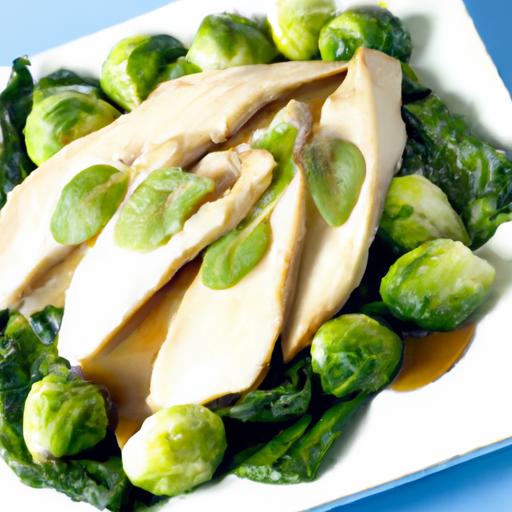
A4: Absolutely! Try a salmon fillet with roasted Brussels sprouts and a quinoa salad tossed with lemon and parsley. Or whip up a veggie-packed turkey chili in under 30 minutes using lean ground turkey, black beans, diced tomatoes, and chili spices. Stir-fry tofu with broccoli and snap peas over brown rice for a plant-based powerhouse.
Q5: how should portion control be managed in diabetic dinners?
A5: Portion control is key to avoiding excessive blood sugar rises.Use your plate as a guide: half filled with non-starchy veggies, one-quarter with lean protein, and one-quarter with whole grains or starchy veggies.Measuring cups or food scales help initially,but with practice,visual estimation becomes intuitive and stress-free.
Q6: Are there any common pitfalls to avoid when planning diabetic-friendly meals?
A6: Watch out for hidden sugars in sauces, dressings, or pre-packaged foods. Also, try not to overload on starchy carbs or opt for fried and processed foods even if they seem quick. Staying hydrated, limiting added salt, and being mindful of total daily carb intake round out a healthy approach.
Q7: How can someone stay motivated to cook diabetic-friendly dinners regularly?
A7: Variety is the spice of life! Experiment with different cuisines, swap ingredients, and involve loved ones in cooking adventures. remember,each meal is a chance to nourish your body and take control of your health-celebrate small wins and enjoy the journey to tasty,speedy,and wholesome dinners.
To Wrap It Up
As you embark on your journey toward balanced, flavorful meals that respect both your time and your health, remember that speedy dinners don’t have to sacrifice nutrition or taste-especially when managing diabetes. With a little planning and creativity, you can transform everyday ingredients into vibrant, diabetic-friendly dishes that fuel your body and satisfy your palate. Let these simple recipes inspire you to embrace cooking as a joyful, empowering ritual-because eating well is not just about managing a condition, but about thriving with every bite. Here’s to delicious dinners that keep you healthy, happy, and always ready for what’s next.