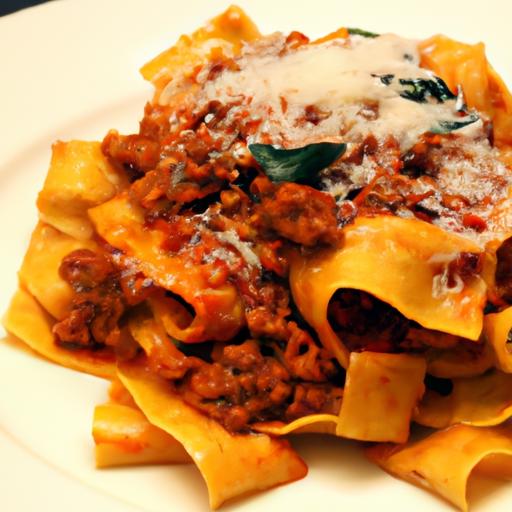



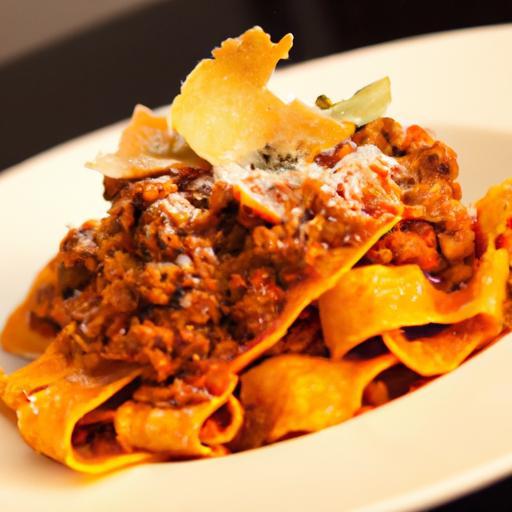
In the heart of emilia-Romagna, where culinary heritage runs deep and every simmer tells a story, Ragù alla Bolognese stands as a testament to Italy’s rich, savory traditions. This iconic meat sauce, slow-cooked to perfection, weaves together humble ingredients into a tapestry of flavor that has delighted palates for generations. When paired with the wide, ribbon-like folds of pappardelle pasta, each bite becomes a festivity of texture and taste-a harmonious dance of sauce and noodle. Join us as we delve into the art of savoring tradition with a detailed guide to crafting authentic Ragù alla Bolognese and the perfect pappardelle, bringing a classic Italian centerpiece to your very own kitchen table.
Savoring Tradition: Ragù alla Bolognese with Pappardelle Guide
Savoring Tradition: Ragù alla Bolognese with Pappardelle Guide invites you on a journey to the heart of Emilia-Romagna, where this emblematic meat sauce originates. Rooted deeply in Italian culinary heritage, Ragù alla Bolognese is more than just a recipe – it’s a celebration of regional ingredients, time-honored techniques, and the warmth of family gatherings. This dish’s layered flavors and comforting textures have earned their place worldwide, especially when paired with broad, ribbon-like pappardelle, creating an unforgettable dining experiance.
The Origins and Cultural Significance of Ragù alla Bolognese
Born in Bologna, the culinary capital of Italy, Ragù alla Bolognese reflects the city’s rustic simplicity and richness. Traditionally slow-cooked, this meat sauce combines ground beef and pork with soffritto – a finely chopped mix of celery, carrot, and onion – slowly simmered in a medley of wine, milk, and tomato paste. The sauce’s restrained use of tomato highlights an approach focused on balanced,deep savory flavors rather than overpowering acidity.
Historically, this sauce was crafted to nourish workers and families, transforming humble ingredients into something luxurious over several patient hours. Today, Ragù alla Bolognese symbolizes more than food; it echoes generations coming together around a shared table, making every bite a connection to Italian culture and tradition.
Prep and Cook Time
- Planning: 20 minutes
- Cooking: 3 hours
- Total Time: 3 hours 20 minutes
Yield
Serves 6 hearty portions
Difficulty Level
Medium – Requires patience and attention to layering flavors but perfect for all home cooks willing to embrace slow cooking
Selecting the Perfect Ingredients for an Authentic Ragù
For a true Ragù alla Bolognese, ingredient quality is crucial. Begin with fresh ground beef and pork,ideally mixed in a 50-50 ratio to marry fat with lean meat,yielding a tender,rich sauce. The soffritto – diced celery, carrot, and onion – should be finely chopped to dissolve into the sauce, offering a sweet undercurrent without overpowering.
Use a good bottle of dry white wine and full-fat milk: the wine helps deglaze and adds acidity, while milk tenderizes the meat and smooths the sauce’s texture. Rather than an abundance of tomatoes, rely on a small quantity of concentrated tomato paste for subtle color and flavor depth.
herbs like bay leaf and a pinch of nutmeg enhance aroma and warmth. Season well with salt and pepper, but remember you can always adjust near the end of cooking for perfect balance.
Mastering the Slow Simmer Technique for rich Flavor Development
Slow simmering is the cornerstone of this recipe’s success. Start by gently sautéing the soffritto in butter and olive oil until translucent, about 8 minutes, building a fragrant, flavorful base. Add the ground meats, breaking up clumps and browning over medium heat. This Maillard reaction develops complex savory notes.
Deglaze with white wine, letting it cook off completely before adding milk.This step tenderizes the meat, resulting in a silky texture. Stir in the tomato paste, herbs, and a splash of broth. Then reduce the heat to low, partially cover, and simmer for at least 2.5 hours.stir occasionally to prevent sticking, adding broth or water as needed to maintain a thick yet saucy consistency.
This patient method melds ingredients deeply and slowly – the hallmark of an authentic Ragù alla Bolognese.
Ingredients
- 2 tablespoons unsalted butter
- 2 tablespoons extra-virgin olive oil
- 1 medium carrot, finely diced
- 1 celery stalk, finely diced
- 1 medium onion, finely diced
- 250g (9 oz) ground beef
- 250g (9 oz) ground pork
- 1 cup dry white wine
- 1 cup whole milk
- 2 tablespoons tomato paste
- 1 bay leaf
- Pinch of freshly grated nutmeg
- Salt and black pepper, to taste
- 500g (1 lb) pappardelle pasta
- Freshly grated Parmigiano-Reggiano, for serving
Instructions
- Prepare the soffritto: In a heavy-bottomed pot, melt butter with olive oil over medium heat. Add finely diced carrot, celery, and onion. Sauté gently until softened and translucent, about 8 minutes, stirring often to prevent browning.
- Brown the meat: Increase heat to medium-high and add ground beef and pork. Break up with a wooden spoon and cook until browned evenly, about 10 minutes.Stir frequently enough and scrape any browned bits from the bottom to enrich flavor.
- Deglaze with wine: Pour in the white wine and cook until evaporated, about 5 minutes. This step intensifies aroma and cleans the pot’s fond.
- add milk and seasonings: Pour in the milk,stir in nutmeg and a pinch of salt. Let it gently simmer until milk is mostly absorbed (10-15 minutes), stirring occasionally.
- Incorporate tomato paste and bay leaf: Stir in the tomato paste thoroughly. Add the bay leaf. Reduce heat to low and partially cover the pot.
- Slow simmer the ragù: Maintain a very gentle simmer for 2.5 to 3 hours, stirring every 20 minutes. Add small amounts of water or broth if the sauce thickens too much before finishing.
- Cook pappardelle: Bring a large pot of salted water to a boil. Cook pappardelle until al dente according to package instructions.Drain, reserving a small cup of pasta water.
- Toss pasta with ragù: Remove bay leaf, combine pasta with ragù adding reserved pasta water if needed for desired consistency.
- Serve and garnish: Plate generously topped with freshly grated Parmigiano-Reggiano and a drizzle of high-quality extra virgin olive oil for extra richness.
Tips for success
- Finely chop soffritto: A fine dice for carrot, celery, and onion helps the aromas integrate fully without distracting texture.
- Don’t rush the simmer: Slow cooking amplifies flavor and tenderizes meat. Set a timer but also intermittently check and adjust heat.
- Milk softens acidity: Adding whole milk balances the tang of wine and tomatoes, key to authentic creamy texture.
- Make ahead: Ragù tastes even better the next day. Refrigerate overnight and reheat gently.
- Pasta pairing: While tagliatelle is classic, pappardelle’s broad, thick ribbons capture the hearty sauce wonderfully for a rustic mouthfeel.
- Adjust thickness: If too thick after cooling,add pasta water or broth when reheating.
Serving Suggestions
Serve this sumptuous Ragù alla Bolognese lavishly tossed with freshly cooked pappardelle on warm plates. Garnish with a generous shower of Parmigiano-Reggiano, a light drizzle of extra virgin olive oil, and a few torn basil or flat-leaf parsley leaves to add freshness and color. Pair with a robust Italian red, such as a Sangiovese or Barolo, to complement the sauce’s depth.
Accompany the meal with crisp, buttery focaccia or a simple mixed green salad dressed in lemon and olive oil to balance richness. A classic tiramisu makes a perfect ending to this treasured Italian feast.
| Nutrient | Amount per Serving |
|---|---|
| Calories | 520 kcal |
| Protein | 35 g |
| Carbohydrates | 50 g |
| Fat | 20 g |

For more authentic Italian pasta recipes,explore our Classic Italian Pasta Recipes collection. To understand the history of pasta and sauces, you might find this Encyclopedia Britannica article on Italian cuisine insightful.
Q&A
Q&A: Savoring Tradition – Ragù alla Bolognese with Pappardelle guide
Q1: What makes Ragù alla Bolognese so special in Italian cuisine?
A: Ragù alla Bolognese is more than just a meat sauce; it’s a culinary emblem of Bologna’s rich heritage. Rooted in tradition, it’s a lovingly slow-cooked blend of ground meats, soffritto, tomatoes, and a splash of wine and milk, simmered to velvety perfection. This sauce captures the essence of hearty Italian comfort food while celebrating regional authenticity.Q2: Why pair Ragù alla Bolognese with pappardelle rather of other pasta types?
A: Pappardelle’s wide, flat ribbons create the perfect canvas for Ragù alla Bolognese. Their generous surface catches every luscious morsel of the thick sauce, allowing each bite to be a harmonious merger of tender meat and tender pasta. Unlike thinner pastas, pappardelle offers a satisfying bite and the ideal heft to complement this robust ragù.
Q3: What are the essential ingredients to achieve an authentic bolognese sauce?
A: At its heart lie finely chopped onions,carrots,and celery – the iconic soffritto – gently sautéed to release their sweetness. Then comes a blend of ground beef and pork for depth, balanced with pancetta’s smoky notes. A splash of dry white wine, a touch of tomato paste, and whole milk or cream create richness and mellow acidity. Patience is key: low and slow simmering melds these elements into an unforgettable tapestry of flavors.
Q4: Can I substitute pappardelle with another pasta if it’s unavailable?
A: Absolutely! While pappardelle is ideal, other broad, flat pastas like tagliatelle or fettuccine make marvelous substitutes. The crucial factor is choosing pasta with enough width and texture to hold the hearty sauce.Avoid very thin or tubular pastas, which might get lost beneath the ragù’s weight.Q5: How long should I cook Ragù alla Bolognese for the best results?
A: Patience is a virtue here. Traditional ragù benefits from at least two to three hours of gentle simmering. This slow cooking dissolves connective tissues in the meat, creating a tender sauce bursting with deeply developed flavors.Stir occasionally, add broth or water as needed, and let the aromas transport you to an italian countryside kitchen.
Q6: Are there any traditional garnishes or accompaniments for serving Ragù alla Bolognese?
A: Simplicity reigns supreme. A generous shaving of Parmigiano-Reggiano crowns the dish, adding a salty, nutty finish. Serve alongside a crisp green salad and a glass of full-bodied red wine, like Sangiovese or Barolo, to complete this rustic Italian feast.
Q7: Can Ragù alla Bolognese be made ahead of time?
A: Absolutely! In fact, ragù often tastes even better the next day when the flavors have had time to marry. Prepare it a day ahead, refrigerate, then gently reheat over low heat before serving. This makes it an excellent choice for impressing guests without last-minute stress.
Q8: What’s the best way to store leftover Ragù alla Bolognese?
A: Store cooled ragù in an airtight container in the refrigerator for up to 3 days. For longer preservation,freeze it in portions for up to 3 months. When reheating, thaw overnight in the fridge and warm slowly on the stovetop, adding a splash of water or broth if needed to regain its luscious texture.
Q9: How can beginners master making Ragù alla Bolognese without feeling overwhelmed?
A: Start with quality ingredients and embrace the slow-cooking process as a delightful kitchen meditation rather than a race. Follow a trusted recipe, prepare your soffritto carefully, and let the ragù simmer gently. Don’t worry about perfection – the beauty of this dish is in its rustic, homely essence.
Q10: Why is Ragù alla Bolognese a timeless classic worth savoring?
A: Because it’s a labor of love that connects us to generations of Italian home cooks and their stories. Each bite tells a tale of tradition, patience, and the simple joy of sharing hearty food with loved ones.Ragù alla Bolognese with pappardelle is more than a meal – it’s an invitation to slow down and savor life’s richest flavors.
The Conclusion
In the rich tapestry of Italian cuisine, Ragù alla Bolognese stands as a savory emblem of tradition, patience, and love poured into every simmering pot. Paired with the broad, comforting ribbons of pappardelle, this classic dish invites us not just to eat, but to savor-each bite a journey through history, culture, and craftsmanship. Weather you’re a seasoned cook or a curious food lover, embracing the art of making Ragù alla Bolognese is an invitation to connect with a timeless culinary heritage. So, gather your ingredients, let the sauce gently bubble away, and discover how simple, humble components can transform into an remarkable celebration of flavor. In every mouthful lies not just a recipe, but a story-one well worth savoring.