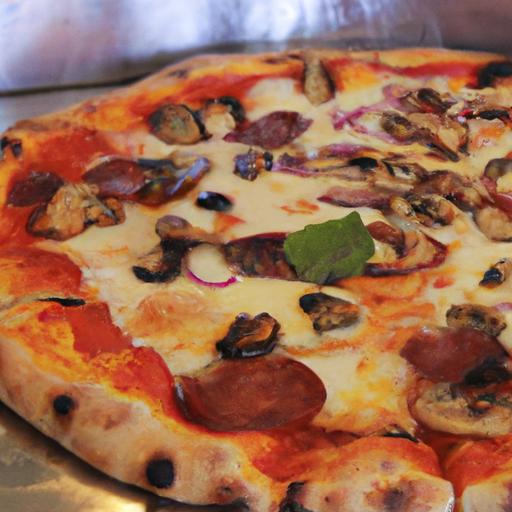



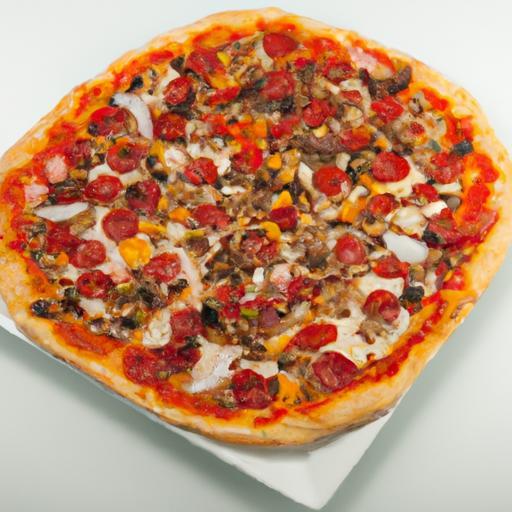
Nestled amidst the lively streets and colorful flourishes of Little Italy lies a timeless treasure-pizza that transcends mere food to become an art form. Here, beneath the warm glow of vintage lanterns and the fragrant aroma of fresh basil and melting mozzarella, unfolds a story of passion, tradition, and secret recipes handed down through generations. Savoring Little Italy: The Secrets of Authentic Pizza Craft invites you to journey beyond the familiar slice, revealing the meticulous craftsmanship, cherished ingredients, and heartfelt rituals that transform simple dough into a symphony of flavor. Join us as we uncover the essence of authenticity and celebrate the soul of pizza that has made Little Italy a beacon for food lovers worldwide.
Savoring Little Italy: The Secrets of Authentic Pizza Craft
Savoring Little Italy: The Secrets of Authentic Pizza Craft begins with embracing the time-honored tradition of neapolitan pizza dough – a delicate art shaped by patience,passion,and precision.The dough, simple yet paramount, sets the stage for every bite to echo the vibrant spirit of Naples itself.From hand-stretching the perfect crust to selecting the ripest San Marzano tomatoes for sauce, this recipe will guide you through the intricate balance of flavors and techniques that transform humble ingredients into an unforgettable dining experience.
Prep and Cook Time
- Preparation: 4 hours (includes dough rising time)
- Active Cooking: 10-12 minutes
- Total Time: Approximately 4 hours 15 minutes
Yield
2 authentic Neapolitan-style pizzas (10-12 inch diameter)
Difficulty Level
Medium – Requires patience and attention to detail, especially during dough fermentation and topping selection
Ingredients
- For the Dough:
- 3 ½ cups (440g) Italian tipo ’00’ flour, sifted
- 1 ¼ cups (300ml) water, lukewarm
- 2 teaspoons fine sea salt
- ¼ teaspoon active dry yeast
- 1 tablespoon extra virgin olive oil
- For the Sauce:
- 1 cup canned San Marzano tomatoes, crushed by hand
- 1 garlic clove, finely minced
- 1 teaspoon fresh basil, chopped
- 1 tablespoon extra virgin olive oil
- Salt to taste
- For the Cheese and Toppings:
- 6 oz (170g) fresh mozzarella di bufala, torn into bite-sized pieces
- Fresh basil leaves, for garnish
- Extra virgin olive oil, for drizzling
- Optional: thinly sliced prosciutto or mushrooms
Instructions
- Activate the Yeast: In a small bowl, dissolve the active dry yeast in the lukewarm water. Let it sit for 5 minutes until bubbles form, signaling it’s alive and ready.
- Make the Dough: In a large mixing bowl, combine the sifted tipo ’00’ flour and sea salt. Slowly pour in the yeast mixture and olive oil while mixing gently with your hand or wooden spoon until a rough dough forms.
- Knead: Turn the dough onto a lightly floured surface and knead for 10 minutes. The dough should be smooth,elastic,and just slightly tacky. If too sticky, add a pinch more flour, but use sparingly.
- First Rise: Place the ball of dough in a clean, lightly oiled bowl; cover with a damp cloth or plastic wrap. Leave in a warm spot for 3 hours or until it doubles in size.
- Prepare Sauce: While the dough rises, gently combine the San Marzano tomatoes, garlic, basil, olive oil, and salt in a bowl. Let sit at room temperature for an hour for flavors to meld.
- Preheat oven: At least 45 minutes before baking, preheat your oven to its highest temperature-ideally 500°F (260°C) or higher. if using a pizza stone, place it inside the oven to heat.
- Shape Dough: Once risen, divide the dough into two equal parts. Using your fingers, gently press from the center outward on a floured surface, stretching into a 10-12 inch round. Avoid rolling pins to preserve the air bubbles essential for a light crust.
- Assemble Pizza: Spread a thin layer of the prepared sauce on the dough, leaving the edges free for a puffed crust.Scatter torn mozzarella evenly, then add any optional toppings.
- Bake: Transfer the pizza onto the preheated stone or tray. Bake for 8-12 minutes or until the crust is puffed,golden,and slightly charred,with melted and bubbling cheese.
- Finish and Serve: Remove pizza carefully. Garnish with fresh basil leaves and a drizzle of extra virgin olive oil.Slice and serve immediately for the best flavor and texture.
Chef’s Notes and Tips for Success
- Flour Choice: The authentic tipo ’00’ flour is key for the soft yet chewy crust characteristic of Neapolitan pizza. If unavailable, use a high-protein all-purpose flour but expect a slightly different texture.
- Slow Fermentation: For deeper flavor, consider refrigerating the dough overnight for a slow rise. Bring to room temperature before shaping.
- Sauce Simplicity: Avoid cooking the sauce; raw crushed San Marzano tomatoes maintain freshness and acidity vital to the pizza’s signature taste.
- Mozzarella: Use fresh mozzarella di bufala for creaminess and meltability. Pat it dry with paper towels to avoid soggy crust.
- High Heat: Authentic Neapolitan pizzas cook quickly at very high temperatures. If your home oven maxes out lower, extend baking time slightly and watch for crust color.
- Hand-Stretching: Resist the urge to use a rolling pin to keep the airy bubbles intact, which provide the tender, pillow-like crust.
Serving Suggestions
Serve your Neapolitan pizza on a rustic wooden board or classic ceramic plate.Garnish with a few whole basil leaves for fresh aroma and vibrant color. Pair with a fresh arugula salad tossed lightly in lemon vinaigrette and a chilled glass of Italian red wine like Chianti or Barbera. For an extra touch, drizzle with high-quality extra virgin olive oil just before serving.
| Nutrient | Per Serving (1 Pizza) |
|---|---|
| Calories | 700 kcal |
| Protein | 28 g |
| Carbohydrates | 85 g |
| Fat | 22 g |

To deepen your culinary journey, don’t miss our detailed guide on artisan pizza dough techniques. For an expert perspective on italian wine pairings, visit Wine Folly’s Italian regions overview.
Q&A
Q&A: Savoring Little Italy – The Secrets of Authentic Pizza Craft
Q1: What makes Little Italy’s pizza truly authentic compared to other styles?
Authenticity in Little Italy’s pizza lies in its deep-rooted tradition combining simple, high-quality ingredients with time-honored techniques. Unlike mass-produced pies, these pizzas embody a soulful connection-each crust, sauce, and topping tells a story passed down through generations. It’s the marriage of fresh mozzarella, San Marzano tomatoes, hand-kneaded dough, and wood-fired ovens that creates that iconic balance of smoky char, bubbly cheese, and a tender yet crisp base.
Q2: How important is the dough in crafting the perfect Little Italy pizza?
absolutely fundamental! The dough is the canvas for the entire pizza masterpiece. In Little Italy, pizzaiolos (pizza makers) often use a long fermentation process, sometimes letting the dough rest for 24 hours or more. This slow rise develops flavor complexity and a delicate texture. The dough needs to be stretched by hand-not rolled-preserving its airy bubbles and creating that coveted lightness and chew known to lovers of authentic pizza.
Q3: What role do conventional ovens play in the pizza-making process?
The oven is the heart of pizza craft in Little Italy.Typically, the ovens are wood-fired, reaching scorching temperatures upwards of 800°F (427°C), allowing pizzas to cook in just 60 to 90 seconds. This instant high heat imparts a smoky aroma and crisp char to the crust while melting toppings into luscious harmony. The flame’s lick and crackle are as essential to the pizza’s soul as the ingredients themselves.
Q4: Are the toppings in Little Italy’s pizzas different from what you’d find elsewhere?
While toppings like pepperoni or extra cheese might dominate elsewhere, Little Italy’s pizzas frequently enough celebrate simplicity and quality. San Marzano tomatoes create a vibrant,slightly sweet sauce; fresh mozzarella and fragrant basil add layers of creaminess and aroma. Seasonal, locally sourced ingredients-like fresh ricotta, prosciutto, or wild mushrooms-frequently enough make appearances, showcasing a respect for the ingredient’s natural flavor rather than overwhelming with excess.
Q5: Can one replicate the authentic Little Italy pizza experience at home?
With passion and respect for the craft, yes-but it requires attention to detail. Begin with artisanal flour, fresh yeast, and high-quality ingredients. Allow your dough time to ferment slowly, use fresh San Marzano or equivalent tomatoes, and opt for fresh mozzarella. While a traditional wood-fired oven might be tough to replicate,a pizza stone or steel in your home oven,preheated to the highest temperature,can yield surprisingly satisfying results. The magic also lies in the hands-gentle stretching and a confident flip of the peel are skills worth practicing.
Q6: Why does pizza from Little Italy evoke such a strong emotional connection for many?
Because it’s more than food-it’s tradition, culture, and community baked into every slice. In Little Italy, pizza is family, history, and celebration. Each bite connects you to a lineage of stories, the laughter of crowded pizzerias, and the warmth of shared tables. It’s this emotional resonance, married with impeccable craft, that transforms a simple pizza into a beloved experience.
Q7: What advice would veteran pizzaiolos offer to those seeking the perfect authentic pizza?
“Respect your ingredients, be patient, and listen to the dough.” Little Italy’s masters remind us that pizza crafting is an art and a science.Treat every step-kneading, fermenting, topping, baking-as crucial.Don’t rush the process; authenticity reveals itself in time and care. And above all, create with love-that’s the secret ingredient no recipe can capture.
Key Takeaways
As the aroma of freshly baked dough and bubbling mozzarella lingers in the air, Little Italy reveals itself not just as a neighborhood, but as a living canvas of culinary tradition. Behind every slice lies a story-of time-honored techniques, passionate artisans, and a community that celebrates pizza as both craft and culture. Whether you’re a seasoned aficionado or a curious newcomer, savoring Little Italy means more than tasting pizza; it’s about embracing the heritage and heart embedded in each bite. So next time you find yourself wandering its vibrant streets, let the secrets of authentic pizza craft guide your palate-and remember, in Little Italy, every slice is an invitation to experience a slice of history.