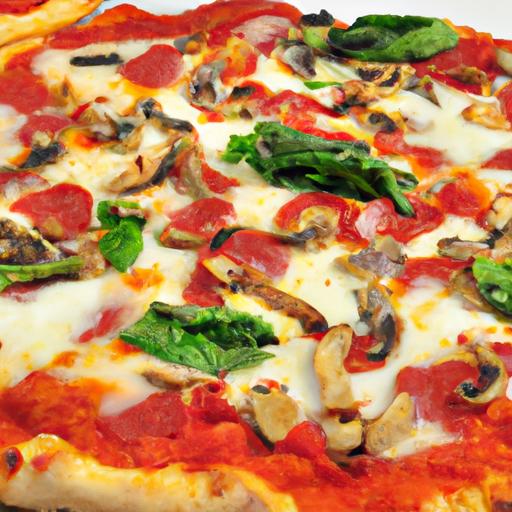



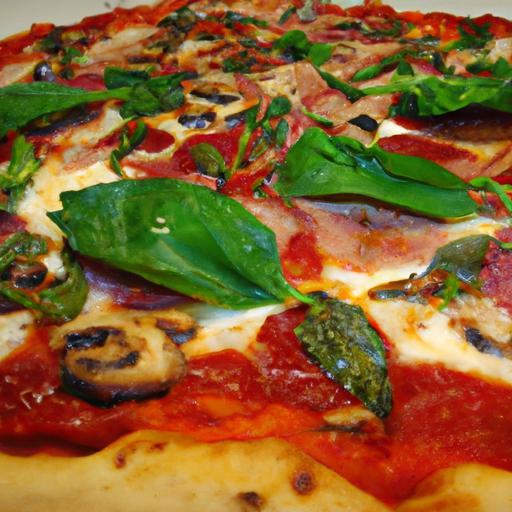
there’s a story behind every slice of authentic Italian pizza-a tale woven through centuries of tradition, passion, and a devotion to simple, high-quality ingredients. Beyond the crispy crust and vibrant toppings lies a culinary heritage that speaks to the heart of Italy’s regional flavors and artisanal craftsmanship. In this journey through “Savoring Authentic Italian Pizzas: Tradition on Every Slice,” we’ll explore how time-honored techniques and local ingredients come together to create more than just a meal-they create an experience that transports you straight to the bustling streets of Naples, Rome, and beyond, where pizza isn’t just food, but a celebration of culture, history, and community.
Savoring authentic Italian pizzas begins with a deep appreciation for the foundational element: the dough. The perfect Neapolitan dough is more than just flour and water; it’s an art form passed down through generations in Naples, where simplicity meets precision to create a base so tender, airy, and flavorful, it cradles the toppings without overpowering them. Embarking on this culinary journey, you’ll discover how expertly fermenting the dough, selecting regional toppings, and mastering a wood-fired oven combine to bring italy’s pizza heritage to life on every slice.
Prep and Cook Time
- Preparation: 20 minutes
- Fermentation/Rise: 8-12 hours (overnight)
- cooking: 2-3 minutes (wood-fired oven)
- Total Time: Approximately 12 hours (mostly hands-off)
Yield
4 classic Neapolitan pizzas (10-12 inch each)
difficulty Level
Medium – ideal for home cooks with some baking experience and patience for fermentation
Ingredients
- 500g (4 cups) 00 flour – finely milled Italian flour ideal for elasticity and softness
- 325ml (1⅓ cups) cold water – regulated to balance hydration
- 10g (2 tsp) sea salt - for flavor and gluten strength
- 2g (½ tsp) fresh brewer’s yeast or 1g active dry yeast
- Olive oil (optional) – a drizzle for kneading lubrication
- San Marzano tomatoes (1 cup, crushed) – authentic base sauce
- Fresh mozzarella di bufala (200g), torn – creamy, mildly tangy cheese
- Fresh basil leaves – aromatic and bright green garnish
- extra virgin olive oil – for drizzling after baking
Instructions
- activate the yeast: in a small bowl, dissolve fresh yeast in 50ml of lukewarm water. Let it sit for 5 minutes until frothy.
- Mix flour and salt: In a large mixing bowl, combine 00 flour and sea salt, stirring well to distribute the salt evenly.
- Combine ingredients: Slowly add yeast mixture and remaining water to the flour, stirring with a wooden spoon or your hand until it begins to form a shaggy dough.
- Knead the dough: Transfer dough to a floured surface and knead for 10 minutes until smooth and elastic. Use a gentle folding and pushing motion to develop gluten without overworking.
- First rise: Shape into a ball, place in a clean bowl, and cover with a damp cloth or plastic wrap. Let ferment at room temperature for 2 hours.
- Divide and shape: After the initial rise, punch down the dough and divide it into 4 equal portions. Roll each into tight balls and place on a floured tray, covering them again.
- cold fermentation: Refrigerate the dough balls for 8-12 hours. This slow fermentation amplifies flavor complexity and digestibility.
- Prepare wood-fired oven: While dough is fermenting, build up your wood-fired oven temperature to a glowing 430-480°C (800-900°F). Such intense heat ensures rapid cooking for perfect crust and airy char.
- Stretch the dough: Remove dough from fridge 1 hour before baking. Using your hands,gently stretch each ball from the center outward on a floured surface,aiming for a thin,even 10-12 inch round.
- Add toppings: Spread crushed San Marzano tomatoes evenly over the base, leaving a 1-inch border for crust. Tear fresh mozzarella and scatter generously. Top with a few basil leaves.
- Bake pizza: Transfer pizza to a pizza peel dusted with semolina, then slide into the wood-fired oven. Bake for 90 seconds to 3 minutes,rotating halfway for even cooking. Look for a blistered, leopard-spotted crust with melted, bubbling cheese.
- Finish and serve: remove pizza, drizzle lightly with extra virgin olive oil and scatter a few fresh basil leaves for bright aroma.Serve instantly.
chef’s Notes and Tips for Success
- flour choice: Using 00 flour is crucial for an authentic Neapolitan texture. Substitute with bread flour onyl if unavailable.
- Hydration balance: Keep water temperature cold to slow yeast activity for better dough flavor.
- Fermentation: The long, cold rise key enhances gluten development and depth of flavor. Do not rush.
- Stretching the dough: Avoid using a rolling pin; hand-stretching preserves air bubbles critical for a light crust.
- oven alternatives: If you don’t have a wood-fired oven, preheat your home oven to the highest temperature with a pizza stone for at least 1 hour to mimic effects.
- Toppings variations: Explore regional Italian toppings like Naples’ spicy salami ‘Nduja, Liguria’s pesto, or Sicily’s anchovies to celebrate Italy’s diverse pizza heritage.
Serving Suggestions
Present your Neapolitan pizza on rustic wooden boards or ceramic platters to keep an earthy, artisanal vibe. Pair with a light sprinkle of freshly cracked black pepper or a pinch of flaky sea salt just before serving. A simple arugula salad dressed with lemon and olive oil complements the pizza’s richness beautifully. For drinks, try an Italian craft lager or a classic Chianti to enhance those wood-fired smokey notes.

Nutritional Overview per Serving
| Nutrient | Amount |
|---|---|
| Calories | 310 kcal |
| Protein | 12 g |
| carbohydrates | 42 g |
| Fat | 8 g |
For deeper insights on crafting dough and mastering the art of Italian pizza, visit Associazione Verace Pizza Napoletana – the international authority on Neapolitan pizza tradition.
Explore more about Italy’s pizza culture and recipes at our Italian Pizza Recipe Collection and continue the journey of savoring authentic Italian pizzas from your own kitchen.
Q&A
Q&A: Savoring Authentic Italian Pizzas: Tradition on Every Slice
Q1: What makes an Italian pizza authentically traditional?
A1: Authentic Italian pizza is a symphony of simple, fresh ingredients and time-honored techniques. It starts with dough made from just flour, water, yeast, and salt, left to ferment slowly for that perfect texture. The toppings honor quality over quantity-think ripe San Marzano tomatoes, creamy buffalo mozzarella, fragrant fresh basil, and a drizzle of extra virgin olive oil. It’s the harmony of these elements, baked in a wood-fired oven at blistering temperatures, that creates the classic ”pizzaiolo” masterpiece.
Q2: How does Naples influence the art of pizza-making?
A2: Naples is the birthplace of what many consider the quintessential Italian pizza-Pizza Margherita. Legend has it that in 1889, pizzaiolo Raffaele Esposito crafted this beloved pie using red tomatoes, white mozzarella, and green basil to mirror Italy’s flag. The city’s vibrant culture and dedication to tradition continue to inspire the way pizza dough is hand-stretched and baked in roaring wood ovens, creating that iconic leopard-spotted crust.
Q3: Why is the oven such a crucial element in authentic pizza?
A3: The oven is the fiery heart of authentic Italian pizza. Traditional wood-fired ovens reach temperatures upwards of 900°F (485°C), cooking the pizza in just 60-90 seconds. This intense heat creates a crust that’s simultaneously blistered and tender, with a slight smokiness that electric or gas ovens struggle to replicate. The oven’s radiant heat interacts beautifully with the carefully prepared dough and toppings to unlock flavors and textures you simply can’t duplicate.
Q4: Are all Italian pizzas topped with the same ingredients?
A4: Not at all! Italian pizzas celebrate regional diversity.In Naples, soft, fresh mozzarella and simple tomato sauce reign supreme. Rome’s pizzas sport a thinner, crispier crust with creative toppings like artichokes and prosciutto. In Sicily, you might find thick, square slices known as “sfincione,” topped with onions, breadcrumbs, and anchovies. Each region’s take on pizza tells a story of local produce, history, and taste.Q5: How can one truly savor an authentic Italian pizza experience?
A5: To truly savor an authentic Italian pizza, slow down and embrace the moment. Sit in a bustling pizzeria where the smell of baking dough fills the air. Watch the pizzaiolo work thier magic with deft hands and passion. with each bite, appreciate the interplay of textures-the crisp crust, the molten cheese, the bright tomato, and the aromatic herbs. Pair it with a glass of local red wine or sparkling water, and you’ll understand why pizza in Italy is more than food-it’s living tradition on a plate.
Q6: can authentic Italian pizza be made at home?
A6: Absolutely, though it requires patience and respect for the craft. Start with top-tier ingredients and give your dough ample time to ferment. Emulate the high heat with the hottest oven setting you can muster and bake on a preheated pizza stone for a crackling crust.While a true wood-fired oven may be out of reach for most home cooks, the spirit of authenticity comes from honoring the simplicity and quality that Italian pizza embodies. And don’t forget-sharing your creation with friends and family adds that special Italian touch!
Final Thoughts
As you embark on your next pizza adventure, remember that each authentic Italian slice is more than just a meal-it’s a story baked into dough, a tradition passed down through generations, and a celebration of simple, quality ingredients. From the crackling crust to the rich, bubbling cheese, savoring authentic Italian pizzas invites you to taste a slice of Italy’s rich culinary heritage. So, whether you find yourself in a bustling Naples pizzeria or recreating the magic at home, let every bite transport you to the heart of Italy, where passion, history, and flavor come together in perfect harmony. Buon appetito!