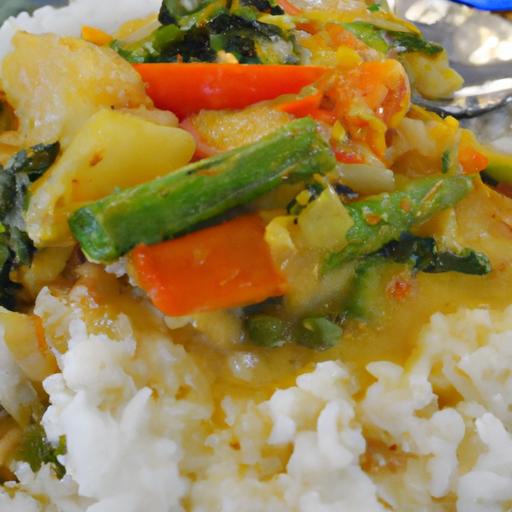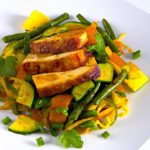



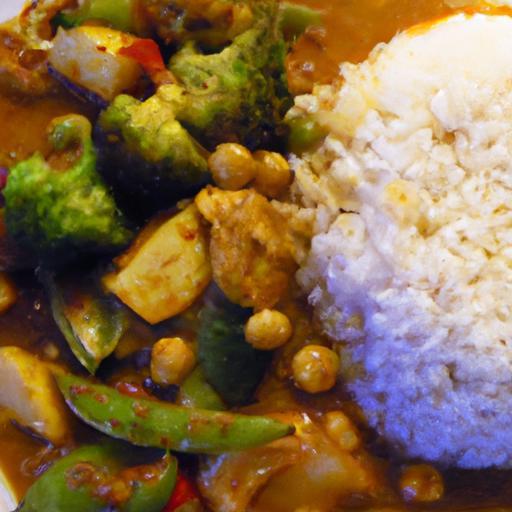
Step into a world where bold flavors dance on your tongue and vibrant colors brighten your plate-welcome to the realm of vegan Thai curries.These luscious dishes, bursting with fragrant herbs, creamy coconut milk, and a symphony of spices, offer more than just a meal; thay’re a festivity of plant-based cuisine at its most exciting. Whether you’re a seasoned vegan or simply curious about expanding your culinary horizons, mastering these easy-to-follow recipes will bring the irresistible taste of thailand right into your kitchen. Get ready to savor the richness, warmth, and zest of vegan Thai curries that delight the senses and nourish the body-all without a trace of animal products.
Savor vibrant vegan Thai curries by immersing yourself in the beautiful complexity of herbs, spices, and tropical ingredients that define this cuisine. Thai vegan curries are a harmonious symphony of bold flavors and luscious textures that transport you straight to bustling night markets and serene temple courtyards. rooted in tradition yet versatile enough for plant-based adaptations, these curries owe their depth to authentic curry pastes and the creamy richness of coconut milk. Whether you’re a seasoned home cook or new to vegan Thai cooking, crafting these dishes from scratch brings both sensory delight and nourishing satisfaction.
Prep and Cook Time
- Preparation: 20 minutes
- Cooking: 30 minutes
- Total Time: 50 minutes
Yield
- Serves 4 generously
Difficulty Level
- Medium – perfect for those familiar with chopping fresh herbs and spices
Essential ingredients for Creating Authentic and Colorful Vegan Curry Pastes
- 4 dried red chilies, soaked and deseeded
- 2 tbsp lemongrass, finely chopped (white part only)
- 3 shallots, peeled and chopped
- 3 garlic cloves, peeled
- 1 tbsp galangal, sliced (or fresh ginger as a substitute)
- 1 tsp ground coriander seeds
- 1 tsp ground cumin
- 1/2 tsp white peppercorns, finely ground
- 1 tbsp kaffir lime zest or finely chopped kaffir lime leaves
- 1 tbsp tamarind paste (for tanginess)
- 2 tbsp water (to blend)
Step by Step Guide to Crafting Creamy Coconut-Based Curry Sauces
- Prepare the curry paste: In a mortar and pestle or food processor, combine soaked chilies, lemongrass, shallots, garlic, galangal, coriander, cumin, white pepper, kaffir lime, and tamarind paste.
- Grind until smooth: Slowly add water while crushing until a fragrant, vibrant red-brown paste forms.If using a food processor, pulse carefully to avoid overheating, preserving the fresh aromatics.
- Heat the pan: In a large skillet, warm 2 tablespoons of coconut oil over medium heat.
- Sauté the curry paste: Add the freshly made paste and stir continuously for 3-4 minutes until aromatic and slightly darker,releasing essential oils.
- Add coconut milk: Pour in 2 cups of full-fat coconut milk gradually, stirring to emulsify and create a silky, creamy sauce.
- Simmer gently: Reduce heat and let the sauce simmer for 10 minutes, stirring occasionally until thickened and glossy.
top Plant-Based Proteins and Vegetables to Elevate Your Thai Curry Experience
- Firm tofu: Pressed and cubed,pan-fried or baked for a crispy contrast
- Tempeh: Marinated in soy and lime for an umami boost
- Chickpeas: For hearty texture and protein
- Baby eggplants: Conventional in green curry variants,tender and juicy
- Bamboo shoots: Crunchy and subtly sweet
- Bell peppers: Red,yellow,and green for vivid color and natural sweetness
- Snow peas and green beans: Add brightness and crispness
- Fresh Thai basil and cilantro: Toss in before serving for an herby freshness
Ingredients
- 2 tbsp coconut oil
- 1 batch homemade vegan Thai curry paste (recipe above)
- 2 cups full-fat coconut milk
- 200g firm tofu,cubed and fried
- 1 cup baby eggplants,halved
- 1/2 cup bamboo shoots,sliced
- 1 red bell pepper,thinly sliced
- 1/2 cup chickpeas,cooked or canned,drained
- 2 tbsp soy sauce or tamari
- 1 tbsp brown sugar or palm sugar
- Juice of 1 lime
- Fresh Thai basil leaves and cilantro for garnish
- Cooked jasmine rice to serve
Instructions
- Prepare your proteins and vegetables: pan-fry tofu cubes in 1 tablespoon coconut oil until golden and set aside. Wash and cut vegetables as directed.
- Heat curry paste: In a large deep skillet or wok, warm remaining coconut oil over medium heat and sauté the curry paste until fragrant, about 3-4 minutes.
- Add coconut milk gradually, stirring to combine and create a smooth sauce.
- Simmer vegetables: Add baby eggplants, bamboo shoots, bell pepper, and chickpeas. Let simmer uncovered for 10-12 minutes until vegetables soften but retain some crunch.
- Season the curry: stir in soy sauce, sugar, and lime juice, adjusting to your preferred balance of salty, sweet, and tangy flavors.
- Integrate tofu: Gently fold in the fried tofu cubes and simmer for another 3 minutes to allow flavors to meld.
- Final touch: remove from heat, sprinkle with fresh Thai basil and cilantro leaves.
- Serve immediately: Spoon over steaming white jasmine rice for an authentic dining experience.
Tips for Success
- Make curry paste ahead: Prepare and refrigerate curry paste up to 3 days in advance or freeze in portions for convenience.
- Customize spice level: Adjust dried chili quantity or substitute with fresh Thai birdS eye chilies for more heat.
- Vegetable swaps: Use seasonal produce such as zucchini, carrots, or sweet potatoes to personalize your curry.
- Protein alternatives: Try seitan or jackfruit for varying textures and flavor profiles.
- Creaminess control: Add a splash of coconut cream at the end for extra richness or coconut water if a lighter sauce is preferred.
Serving Suggestions
- Present the curry in a wide bowl, topped with a handful of vibrant Thai basil leaves and chopped fresh cilantro.
- Include a wedge of lime on the side to encourage diners to brighten each bite to taste.
- Accompany with fragrant steamed jasmine rice or sticky rice for traditional authenticity.
- For added texture, sprinkle with toasted cashews or crushed peanuts.
- Complement with a simple cucumber and carrot relish for refreshing crunch and palate contrast.
| Nutrient | Per Serving |
|---|---|
| Calories | 360 kcal |
| Protein | 15 g |
| carbohydrates | 28 g |
| Fat | 22 g |

For more inspiration, explore our collection of vegan Thai recipes or read quality culinary tips on Serious Eats’ guide to curry pastes.
Q&A
Q&A: Savor Vibrant Vegan Thai Curries – Easy Recipes to Try
Q1: What makes Thai curries so vibrant and flavorful?
A1: Thai curries burst with vibrant flavors thanks to their aromatic blend of fresh herbs, spices, and coconut milk. Ingredients like lemongrass, galangal, kaffir lime leaves, Thai chilies, and coriander create a symphony of taste-spicy, sour, sweet, and creamy-all in one bowl. The balance of these elements makes each bite an exciting, flavorful experience.
Q2: How can I make traditional Thai curries vegan without losing authenticity?
A2: The key is to replace animal-based ingredients with plant-based alternatives while keeping the traditional herbs and spices. Swap shrimp paste with fermented soy or mushroom-based substitutes, and use creamy coconut milk for richness instead of dairy. Focus on fresh veggies, tofu, tempeh, or seitan to add texture, ensuring every curry stays bursting with authentic Thai flavors.
Q3: Which Thai curries are easiest for beginners to veganize?
A3: Green curry,red curry,and Massaman curry are fantastic starting points. They rely heavily on curry pastes and coconut milk, which are easy to veganize. With a handful of fresh vegetables and a good quality curry paste (double-checking for shrimp paste or fish sauce), you can whip up a tasty vegan version in no time.
Q4: Can I prepare vegan Thai curry paste at home?
A4: Absolutely! Making your own curry paste is a rewarding way to infuse freshness and control flavors. Blend ingredients like dried chilies, garlic, shallots, lemongrass, coriander roots, galangal, and kaffir lime zest with a splash of oil. Omit any shrimp paste or fish sauce and replace them with miso or tamari for depth. Homemade paste not only tastes fresher but also lets you customize the heat and spice levels.
Q5: What vegetables work best in vibrant vegan Thai curries?
A5: Think colorful and textured! Bell peppers, eggplants (Thai or globe), bamboo shoots, green beans, sweet potatoes, spinach, and baby corn shine in Thai curries. They absorb the spicy, creamy sauce beautifully while adding crunch and sweetness. Feel free to mix and match based on seasonality and personal preference.
Q6: How do I serve vegan Thai curry for the ideal dining experience?
A6: Serve your curry piping hot alongside fragrant jasmine rice or sticky rice to soak up every drop of the luscious sauce. Garnish with fresh Thai basil, cilantro, thinly sliced red chilies, and a squeeze of lime for brightness. A side of cucumber salad or pickled vegetables complements the richness and adds refreshing contrast.
Q7: how can someone new to Thai flavors enjoy these curries without being overwhelmed?
A7: Start mild! Use fewer chilies or a milder curry paste and gradually adjust the spice to your liking. Balance the flavors by tasting as you cook-add a touch of sweetness with palm sugar or a splash of lime juice to soften heat. Exploring Thai curries slowly allows your palate to awaken to the complex yet harmonious flavors without intimidation.
Q8: Why shoudl I incorporate vibrant vegan Thai curries into my cooking repertoire?
A8: Beyond their incredible taste, vegan Thai curries are nutrient-rich, plant-based, and adaptable to all seasons. They’re a joyful exploration of global cuisine that can invigorate your weekly meals with color, spice, and wholesome goodness. Plus, they’re perfect for sharing with friends and family, delivering warmth and vibrancy straight from your kitchen.
To Wrap It Up
As the fragrant aromas of lemongrass, coconut, and spicy chilies linger in your kitchen, you’ll soon discover that vibrant vegan Thai curries are more than just meals-they’re journeys into a world of bold flavors and wholesome nourishment. With these easy recipes in your culinary toolkit, embracing plant-based Thai cuisine becomes not only accessible but deeply satisfying.So, whether you’re a seasoned vegan or simply curious to explore new tastes, let these colorful curries inspire your next delicious adventure. After all, the magic of Thai cooking lies in its ability to bring warmth, balance, and vibrancy to every bite-one curry at a time.