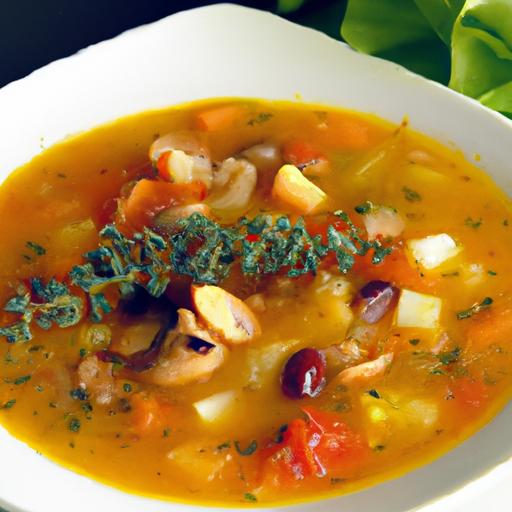



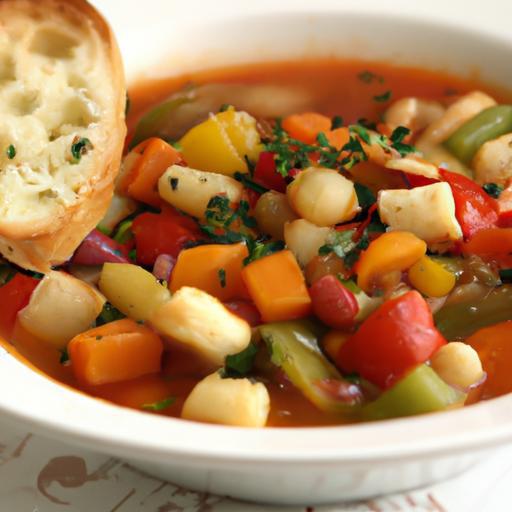
There’s something deeply comforting about a bowl of minestrone soup-a vibrant mosaic of fresh vegetables, hearty beans, and tender pasta, all simmered together to create a warm embrace in every spoonful.Rooted in the rustic kitchens of Italy, minestrone is more than just a soup; it’s a party of tradition, seasonality, and the art of slow cooking. In this article, we invite you to savor tradition through an authentic Italian minestrone recipe, guiding you step-by-step to recreate this timeless dish that has nourished families for generations. Whether you’re a seasoned cook or a curious food lover, prepare to embark on a flavorful journey that honors Italy’s rich culinary heritage and brings a taste of la dolce vita right to your table.
savor Tradition: Authentic Italian Minestrone Soup Recipe blends the vibrant freshness of garden vegetables with the rustic heartiness of italian culinary heritage, creating a dish that’s as comforting as it is nourishing. Hailing from humble origins in Northern Italy, minestrone embodies the spirit of resourcefulness-using seasonal produce to craft a soup that celebrates texture, color, and balanced flavors in every spoonful.
Prep and Cook Time
- Readiness: 20 minutes
- Cooking: 50 minutes
- Total Time: 1 hour 10 minutes
Yield
- Serves 6 hearty portions
Difficulty Level
- Medium – Perfect for home cooks eager to deepen their Italian repertoire
Ingredients that Bring Italy to Your Table
- 3 tbsp extra virgin olive oil
- 1 medium onion,finely chopped
- 2 cloves garlic,minced
- 2 medium carrots,diced
- 2 celery stalks,diced
- 1 medium zucchini,diced
- 1 cup green beans,trimmed and cut into 1-inch pieces
- 1 cup canned cannellini beans,drained and rinsed
- 1 14-oz can diced tomatoes,with juice
- 6 cups vegetable broth,preferably homemade or low sodium
- 1/2 cup small pasta shapes (ditalini or elbow macaroni works best)
- 1 bay leaf
- Fresh thyme sprigs (about 2-3 sprigs)
- Salt and freshly ground black pepper, to taste
- 1 cup finely chopped kale or spinach
- Freshly grated Parmigiano-reggiano, for serving
- Zest of 1 lemon (optional,to brighten flavors)
Step by Step Guide to Crafting the Perfect Minestrone
- Warm the olive oil in a large heavy-bottomed pot over medium heat. Add the chopped onion and garlic, sauté until translucent and aromatic, about 5 minutes, stirring frequently enough to avoid browning.
- Add the diced carrots and celery, continuing to sauté for another 5-6 minutes until they soften but retain a slight bite.
- Stir in the zucchini and green beans,cooking for 4 minutes to meld flavors and develop a tender-crisp texture.
- Pour in the diced tomatoes with their juices, allowing the mixture to bubble gently for 3 minutes, stirring occasionally.
- Pour the vegetable broth into the pot, add the bay leaf and thyme sprigs, then bring the soup to a gentle simmer.
- Let it simmer uncovered for 25 minutes, stirring occasionally for even cooking and flavor development.
- Remove the bay leaf and thyme sprigs, then stir in the cannellini beans and pasta. Continue cooking for 10 minutes, or until the pasta is tender but firm to the bite (al dente).
- Fold in the chopped kale or spinach during the final 3 minutes of cooking, ensuring the greens just wilt without losing their vibrant color.
- Season generously with salt and freshly ground black pepper, and add lemon zest if desired to brighten the soup’s flavors.
- serve hot, topped with a generous sprinkle of freshly grated Parmigiano-Reggiano.
Tips for balancing Flavors and Achieving the Ideal Texture
- Keep your vegetables in similar-sized pieces for uniform cooking and aesthetic appeal.
- Don’t rush the sautéing step. Developing a light caramelization on onions and garlic creates the backbone of rich umami flavor.
- Use homemade broth or low-sodium broth to control salt levels and deepen the soup’s savory notes.
- Choose small pasta shapes that won’t overpower the soup but add just the right bite.
- For a thicker soup, mash a few beans against the pot sides before stirring to add creamy body.
- Adjust seasoning gradually, tasting as you go, especially after adding broth and beans.
- For best texture, add greens at the very end; overcooking them dulls their flavor and color.
- Leftovers improve overnight-flavors meld beautifully after chilling.
Serving Suggestions and Pairings to Elevate Your Soup Experience
Present this comforting minestrone in rustic bowls, drizzled with extra virgin olive oil and a few fresh basil leaves or parsley sprigs for an inviting finish. Accompany the soup with crisp grilled bruschetta topped with smashed garlic and ripe tomatoes, or offer crusty ciabatta bread to soak every last drop.
Complement the meal with a chilled glass of verdicchio or chianti, whose bright acidity cuts through the richness perfectly.
For an indulgent touch, sprinkle toasted pine nuts or a scattering of shaved Pecorino Romano atop the soup just before serving.

Chef’s Notes: Tips for Success
- Vegetable Variations: Feel free to swap or add seasonal vegetables like peas, potatoes, or sweet corn to reflect your local harvest.
- Protein Boost: Add cooked Italian sausage or pancetta before the veggies for a heartier option.
- Make-Ahead: Prepare the base soup up to step 6, cool wholly, and refrigerate for up to 3 days. Add pasta and greens when reheating.
- Gluten-Free: Use gluten-free pasta or omit pasta entirely,replacing it with extra beans or riced cauliflower for texture.
- Freezing: Minestrone freezes well-but avoid cooking the pasta in advance for reheats to prevent mushiness.
| Nutrient | Per Serving |
|---|---|
| Calories | 190 kcal |
| Protein | 8 g |
| Carbohydrates | 28 g |
| Fat | 5 g |
| Fiber | 7 g |
Q&A
Q&A: Savor Tradition – Authentic Italian Minestrone Soup Recipe
Q1: What makes minestrone soup a quintessential Italian dish?
A1: Minestrone is a vibrant tapestry of Italy’s culinary heritage. This hearty vegetable soup captures the essence of seasonal produce, rustic flavors, and regional variations. Rooted in peasant traditions, it was originally a thrifty way to use whatever vegetables were on hand-transforming humble ingredients into a soul-warming masterpiece. Its nutritious, flexible nature and comforting character have made minestrone a beloved staple across Italian tables for centuries.
Q2: What are the key ingredients that define an authentic Italian minestrone?
A2: authentic minestrone is a celebration of fresh, seasonal vegetables such as zucchini, carrots, celery, tomatoes, and leafy greens like spinach or kale. Beans-typically cannellini or borlotti-add creamy texture and protein. Aromatics like garlic, onions, and herbs such as rosemary, thyme, and bay leaves infuse the broth with earthy depth. A dash of good-quality extra virgin olive oil and a sprinkle of Parmesan rind during simmering enrich the flavors, while small pasta or rice can be added for body.
Q3: Is there a secret to achieving the perfect minestrone broth?
A3: Absolutely! The magic lies in slow simmering and layering flavors. Starting with a soffritto-a fragrant base of finely chopped onions, carrots, and celery sautéed gently in olive oil-creates a savory foundation. Adding a Parmesan rind to the pot imparts subtle umami, while tomato paste contributes richness and color. Patience is key; letting the soup cook slowly allows ingredients to meld, producing a broth that’s both hearty and harmonious.
Q4: Can minestrone be adapted for different seasons?
A4: Minestrone is the chameleon of soups.Spring invites fresh peas,asparagus,and baby greens; summer celebrates juicy tomatoes and zucchini; autumn offers hearty squash and root vegetables; winter welcomes kale and cabbage. This seasonal adaptability not only respects tradition but also embraces the freshest flavors available, making each pot of minestrone a unique reflection of the time and place.
Q5: how should minestrone be served to best enjoy its flavors and textures?
A5: Traditionally,minestrone is ladled into generous bowls,drizzled with a bit of high-quality olive oil,and sprinkled with freshly grated Parmigiano-Reggiano. A side of crusty Italian bread or garlic-rubbed crostini rounds out the experience, perfect for dipping and savoring every drop. Some prefer a squeeze of lemon or a sprinkle of red pepper flakes for an extra kick, but authenticity shines brightest with simplicity and fresh ingredients.Q6: What’s a common mistake to avoid when making minestrone?
A6: Overcooking the vegetables can quickly turn minestrone into a mushy mess. Each vegetable has its own cooking time, and maintaining a slight firmness ensures a pleasing texture contrast. Also,resist the urge to rush the simmering process-the soup improves with time as flavors deepen. Lastly, seasoning gradually and tasting often is crucial; balance salty and sweet notes without overpowering the natural vegetable flavors.
Q7: Can minestrone be made ahead or frozen for later enjoyment?
A7: Absolutely! Minestrone’s hearty nature makes it an excellent candidate for batch cooking. Store cooled soup in airtight containers and refrigerate for up to three days, or freeze for up to three months.When reheating, add a splash of water or broth to revive the broth’s freshness. If pasta or rice is included, it’s often best to cook and add them fresh at serving to maintain texture.
Savoring a bowl of authentic Italian minestrone is more than just eating-it’s embracing a tradition of simplicity, seasonality, and soulful nourishment. Buon appetito!
Key Takeaways
As the hearty aroma of simmering vegetables and fragrant herbs fills your kitchen, you’re not just cooking a meal-you’re embracing a time-honored tradition that has warmed Italian homes for generations.This authentic minestrone soup recipe invites you to savor the colors, textures, and flavors of Italy’s countryside, blending simple ingredients into a comforting masterpiece. Whether shared around a bustling family table or enjoyed in quiet reflection,each spoonful tells a story of heritage,seasonality,and the joy of slow cooking. So next time the weather turns crisp or your soul craves something wholesome, let this classic Italian minestrone remind you that sometimes, the moast satisfying dishes come from honoring the past-one appetizing ladle at a time.