


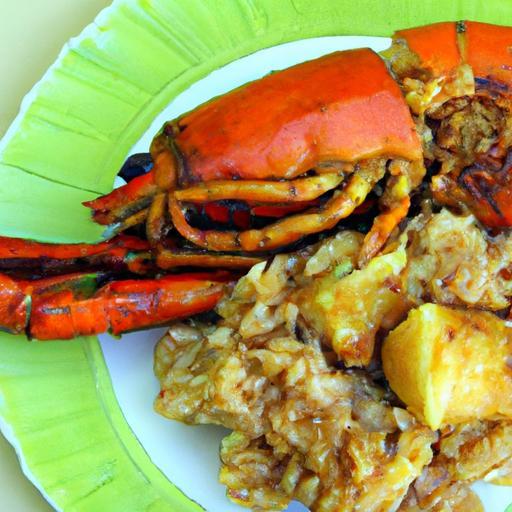
ThereS a vibrant world of flavors unfolding beyond the polished walls of fine dining-right on the bustling streets where the heart of Filipino culture beats strongest. “Savor the Streets: Authentic Filipino Street Food Recipes” invites you on a culinary journey through the lively alleys and busy corners of the Philippines, where every bite tells a story. From smoky skewers sizzling over charcoal grills to sweet, sticky treats wrapped in banana leaves, Filipino street food is a celebration of tradition, community, and bold tastes. This article uncovers the secrets behind these beloved dishes, offering you the chance to recreate the authentic flavors of the Philippines in your own kitchen. Get ready to dive into recipes that are as vibrant and diverse as the streets they come from-each one a flavorful snapshot of Filipino life.
Savor the Streets: Authentic Filipino Street Food Recipes invite you on a vibrant culinary journey where bold flavors and rich history meld into mouthwatering delights. These beloved street eats, born from humble origins and bursting with character, reflect the spirited Filipino culture and its flair for simple yet unforgettable tastes. Whether it’s the smoky aroma of grilled skewers or the sweet, tangy bite of local sauces, these dishes bring the soul of the Philippines right to your kitchen.
Prep and Cook Time
- Readiness Time: 15 minutes
- Cooking Time: 20 minutes
- Total Time: 35 minutes
Yield
Serves 4 people - perfect for sharing during family gatherings or casual get-togethers.
Difficulty Level
Easy to Medium: Accessible for beginners yet rewarding for seasoned cooks.
Essential Ingredients That Bring Filipino Street flavors to Life
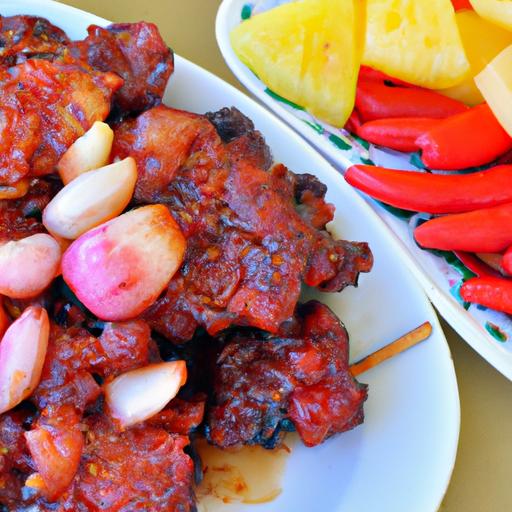
- 500g pork shoulder,thinly sliced – the star protein,tender and juicy
- 3 cloves garlic,minced – infuses a fragrant base flavor
- ½ cup soy sauce – deep umami and saltiness
- ¼ cup banana ketchup – unique sweet tomato twist found in many Filipino homes
- 2 tbsp vinegar (preferably cane or coconut) – adds tangy balance
- 1 tbsp brown sugar – enhances caramelization during grilling
- 1 tsp freshly ground black pepper – for subtle heat
- Bamboo skewers (soaked in water for 30 minutes) – the traditional presentation
- Cooking oil – just a splash for sautéing
- Chopped green onions and calamansi wedges (optional) – for fresh garnish
step by Step Guide to Making Classic Filipino Street Eats at Home
- Marinate the pork: In a large bowl,combine soy sauce,banana ketchup,vinegar,brown sugar,garlic,and black pepper. Add pork slices and mix well. Cover and refrigerate for at least 2 hours, ideally overnight for maximum flavor infusion.
- Prepare the skewers: Thread the marinated pork onto the bamboo skewers evenly, leaving slight gaps to allow heat circulation.
- Heat a grill pan or outdoor grill: Medium-high heat works best to develop a perfect char without drying the meat.
- Grill the skewers: Place skewers on the hot grill. Cook for about 4-5 minutes per side, turning occasionally until the pork is cooked through and beautifully caramelized. Baste with remaining marinade to intensify flavor and moisture.
- Sauté the leftovers: If desired,quickly sauté the remaining marinade in a pan over medium heat until slightly thickened,then brush over the cooked skewers for an extra glaze.
- Rest and plate: Let the skewers rest for a few minutes before serving to redistribute juices and lock in moisture.
Tips for Success
- Use fresh pork shoulder for tenderness; avoid lean cuts that dry out quickly.
- Marinate overnight to deepen the flavors-this is the secret behind the rich taste of Filipino street food.
- If you don’t have banana ketchup, mix regular ketchup with a teaspoon of mashed banana or pineapple for authenticity.
- Soak bamboo skewers in water prior to grilling to prevent burning.
- For an added smoky aroma, use charcoal grill or add a small wood chip to your gas grill.
- Leftover marinade must be cooked thoroughly before using it as a baste or sauce to avoid raw meat contamination.
Pairing Tips and Serving Suggestions for an Authentic Experience
Serve your grilled pork skewers alongside steamed jasmine rice or garlic fried rice, which provides a perfect canvas to soak up the bold sauces. Offer a fresh side of achara (pickled green papaya) to cut through the richness and add a crisp contrast. Garnish with chopped green onions and a squeeze of calamansi – a tiny Filipino citrus – for a radiant and zesty finish.
This street food pairs beautifully with a cold glass of local Filipino beer or a refreshing iced tea to cool down the palate after each savory, smoky bite.

| Nutritional Info (Per Serving) | Amount |
|---|---|
| Calories | 320 |
| Protein | 35g |
| carbohydrates | 12g |
| Fat | 14g |
For more authentic Filipino recipes, explore our detailed Filipino Classics Collection and dive deeper into the heart of Filipino cuisine.Unleash your culinary creativity and bring the festive Filipino street market vibe straight to your dining table tonight!
Q&A
Q&A: Savor the Streets – Authentic Filipino Street Food Recipes
Q1: What makes Filipino street food so unique and worth savoring?
A1: Filipino street food is a vibrant tapestry of cultural influences-Malay, Spanish, Chinese, and indigenous flavors all meld into bite-sized delights that burst with taste. what sets it apart is the balance of sweet, salty, sour, and savory in simple yet ingenious preparations. It’s not just food; it’s a celebration of community, history, and everyday life on the bustling streets of the Philippines.
Q2: Can you name some iconic filipino street foods that readers should definitely try at home?
A2: Absolutely! Start with Isaw-grilled chicken or pork intestines skewered to perfection. Don’t miss Balut, the infamous fertilized duck embryo, a daring snack that’s rich and flavorful. For something sweet, indulge in Turon, caramelized banana spring rolls dusted with brown sugar. And of course, Kwek-kwek, those vibrant orange battered quail eggs, crispy, tangy, and utterly addictive.
Q3: How accessible are these ingredients outside the Philippines?
A3: Many Filipino street food ingredients, like vinegar, soy sauce, garlic, and rice, are pantry staples worldwide. Specialty items such as quail eggs, banana blossoms, or specific dipping sauces might be found in asian supermarkets or substituted creatively with local equivalents. the beauty lies in adapting recipes to your local ingredients without losing that authentic Filipino soul.
Q4: What kitchen tools or equipment are essential to recreate these street food recipes at home?
A4: A trusty grill or stovetop grill pan is a must for that smoky char typical of many street skewers. Deep frying is common, so a sturdy wok or deep fryer helps. Bamboo skewers bring an authentic touch for dishes like Isaw or Betamax. Beyond tools,the real magic is patience and an adventurous palate ready to explore new textures and flavors.
Q5: How do Filipino street food recipes embody the spirit of Filipino culture?
A5: These recipes mirror Filipino values-resilience, resourcefulness, and a communal spirit. Street food vendors often transform humble ingredients into treasures, serving as gathering spots where stories are shared and friendships forged. Each recipe is a flavorful narrative of Filipino life: inventive, warm, and joyfully unpretentious.
Q6: Are these street foods healthy, and can they be modified for dietary preferences?
A6: Traditional street food can be indulgent, with fried and grilled elements rich in flavor and calories. Tho, you can tweak these recipes by opting for grilling over deep-frying, using leaner meats, or incorporating more vegetables.The adaptable nature of Filipino cuisine means you can savor the essence without compromising your health goals.
Q7: What’s the best way to dip or accompany Filipino street snacks?
A7: Dipping sauces are the soulmates of Filipino street food! Vinegar mixed with crushed garlic and chili (sawsawan) adds zesty punch; sweet-spicy banana ketchup pairs beautifully with crispy treats; and a side of salty soy sauce or bagoong (fermented shrimp paste) elevates flavor layers. Pair nearly anything with an ice-cold soda or refreshing calamansi juice to complete your street feast at home.
Q8: Where can readers find inspiration or learn more about authentic Filipino street food?
A8: Dive into Filipino food blogs, YouTube channels of home cooks and street vendors, and cookbooks dedicated to regional Filipino cuisine. Festivals celebrating Filipino culture often feature street food stalls, offering a live experience. Embrace the adventure of cooking and tasting-each recipe is an invitation to join a lively, flavorful journey across the Philippines’ bustling streets.
Ready to bring the buzz and flavor of Manila’s street markets into your kitchen? Grab your skewers, fire up the grill, and let these authentic Filipino street food recipes transport your taste buds on a delicious urban adventure!
Key Takeaways
As we close this flavorful journey through the bustling streets of the Philippines, remember that authentic Filipino street food is more than just a meal-it’s a vibrant tapestry woven from culture, history, and community. Whether you’re skewering succulent pork barbecue, savoring the sweet warmth of turon, or diving into a steaming bowl of batchoy, each bite tells a story of tradition passed down through generations. So, next time you’re craving something bold and unforgettable, bring the spirit of the streets into your kitchen and discover the rich, diverse world of Filipino street food. After all, great food has no borders-it only invites us to explore, share, and savor.