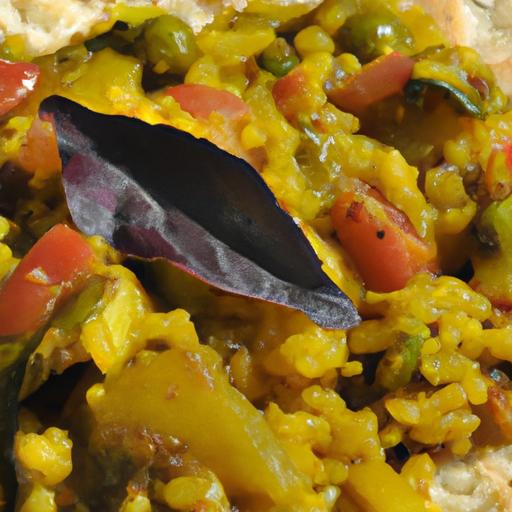



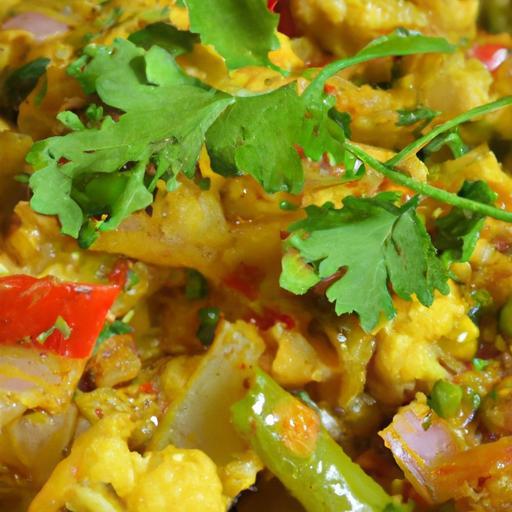
Step into a world where vibrant colors, aromatic herbs, and bold flavors come together in perfect harmony-welcome to the enchanting realm of Indian vegetarian cuisine.Whether you’re a seasoned foodie or a curious beginner, Indian vegetarian recipes offer a treasure trove of dishes that are as nourishing as they are delicious. From the creamy richness of paneer-based curries to the fiery kick of spiced lentils, each bite tells a story steeped in tradition and bursting with zest. In this article, we invite you to savor the spice and explore an array of mouthwatering vegetarian dishes that showcase the diversity and depth of India’s culinary heritage. Get ready to ignite your taste buds and bring the magic of Indian cooking into your kitchen!
Savor the Spice: Delicious Indian Vegetarian Recipes to Try introduces you to the vibrant world of Indian spices, infused with the warmth and depth that make vegetarian dishes truly unforgettable. From the bustling markets of Delhi to the spice-laden kitchens of Kerala, Indian cuisine celebrates aromatic ingredients that elevate simple vegetables into sensory feasts. This recipe post invites you to explore customary blends and master their balance, crafting dishes rich in flavor and vibrant color that awaken the palate and comfort the soul.
Prep and Cook Time
- Preparation: 20 minutes
- Cooking: 35 minutes
- Total Time: 55 minutes
Yield
Serves 4 generous portions
Difficulty Level
Medium – ideal for cooks looking to deepen their spice skills
Ingredients
- 2 tbsp mustard seeds
- 1 tbsp cumin seeds
- 1 tbsp coriander seeds
- 1 tsp fennel seeds
- 1 tsp turmeric powder
- 1 tbsp garam masala
- 1 tsp red chili powder (adjust to taste)
- 3 tbsp vegetable oil or ghee
- 1 large onion, finely chopped
- 4 cloves garlic, minced
- 1 inch piece ginger, grated
- 3 large tomatoes, pureed
- 2 cups diced mixed vegetables (carrots, potatoes, peas, cauliflower)
- 1 cup dried chickpeas, soaked overnight and boiled (or 1 can)
- 1 cup fresh spinach leaves, chopped
- Salt to taste
- Fresh cilantro, chopped, for garnish
- 1 lemon wedge per serving
Instructions
- Prepare the spice blend: dry roast mustard, cumin, coriander, and fennel seeds in a hot skillet over medium heat until fragrant (about 2-3 minutes). Allow to cool, then grind finely using a spice grinder or mortar and pestle.
- Heat the oil: Warm 3 tablespoons of vegetable oil in a heavy-bottomed pan over medium heat. Add your ground spice blend, turmeric, garam masala, and chili powder; stir instantly to toast spices gently without burning (about 30 seconds).
- Sauté aromatics: Add chopped onions, stirring often, until golden brown (8-10 minutes). Add garlic and ginger; cook until fragrant and soft, about 2 minutes.
- Incorporate tomatoes: Pour in the pureed tomatoes, stirring to combine. Simmer on low heat until oil begins to separate from the masala base, around 7 minutes. This deepens the flavor and develops a luscious sauce.
- Add vegetables and chickpeas: Mix in diced vegetables and cooked chickpeas. Pour in 1 cup of water to help vegetables cook evenly. Cover and simmer for 20 minutes or until vegetables are tender, stirring occasionally.
- Final touches: Stir in chopped spinach and salt to taste. Let the greens wilt gently for 3 minutes. Turn off heat and squeeze fresh lemon juice to brighten the dish.
- Garnish and serve: Sprinkle fresh cilantro on top, serve hot with basmati rice or warm flatbreads like chapati or naan for a complete meal.
Tips for Success
- Customize your spice level: Adjust red chili powder according to your heat preference or substitute with Kashmiri chili powder for milder, vibrant color.
- For faster cooking: Use canned chickpeas but rinse well to reduce sodium.
- Pre-roast your spices: This step releases a depth of aroma only unlocked by fresh grinding and toasting, critical for authentic flavor.
- Make-ahead tip: Prepare the masala base a day ahead and refrigerate; it intensifies the flavor and reduces cooking time.
- Vegetable variations: Seasonal produce like pumpkin, eggplant, or green beans can be delightful substitutions.
- For vegan richness: Swap ghee with coconut oil to add a subtle tropical nuance.
Serving Suggestions
Present this dish in a rustic earthenware bowl,contrasting beautifully with the golden-orange hues of the curry. Fresh cilantro sprinkled over the top brings an inviting pop of green, while a wedge of lemon rests on the side, encouraging guests to add a fresh tang that elevates every bite. Pair with steamed basmati rice or flaky whole wheat chapatis to soak up the flavorful gravy. For added texture, serve with crunchy papadums or a cooling cucumber raita to balance the bold spices.

| nutrient | Per Serving |
|---|---|
| Calories | 320 kcal |
| Protein | 12 g |
| Carbohydrates | 45 g |
| Fat | 9 g |
For more insights on spice combinations and Indian vegetarian delights, check our Complete Guide to Indian Spice Blends for Vegetarian Cooking. Supplement your knowledge with expert reads like Britannica’s overview of Indian cuisine for cultural context and inspirations.
Q&A
Q&A: Savor the Spice – Delicious Indian vegetarian Recipes to Try
Q1: why are Indian vegetarian dishes considered so flavorful?
A1: Indian vegetarian cuisine is a vibrant tapestry woven from an array of spices,herbs,and fresh ingredients. The clever layering of spices-like cumin, coriander, turmeric, and garam masala-infuses each dish with depth and warmth. This masterful use of spices transforms humble vegetables, lentils, and grains into unforgettable meals bursting with flavor and character.
Q2: What are some essential spices one should have on hand to start cooking Indian vegetarian recipes?
A2: for an authentic Indian vegetarian kitchen, keep your spice rack stocked with cumin seeds, mustard seeds, turmeric powder, red chili powder, coriander powder, garam masala, asafoetida (hing), and fennel seeds. These spices unlock the aromatic magic that defines Indian cooking and elevate simple ingredients into a symphony of taste.
Q3: Can you recommend a beginner-amiable Indian vegetarian dish?
A3: Absolutely! Try making Chana Masala, a hearty chickpea curry simmered in a tangy tomato-onion gravy with spices. It’s straightforward to prepare, uses easily available ingredients, and showcases the perfect balance of heat, tang, and earthiness that’s characteristic of Indian cuisine.
Q4: How do Indian vegetarian meals maintain nutritional balance?
A4: Indian vegetarian dishes often combine legumes (like lentils or chickpeas), vegetables, grains (such as rice or wheat), and dairy products (like paneer or yogurt). This mix ensures an ample intake of protein, fiber, vitamins, and minerals. Additionally, cooking methods like steaming, sautéing with minimal oil, and use of fresh ingredients help retain nutritional value.
Q5: What makes Indian vegetarian cuisine unique compared to other vegetarian traditions around the world?
A5: indian vegetarian cuisine stands out for its diverse textures, vibrant colors, and bold yet harmonious flavors. Unlike cuisines that lean heavily on single-seasoning profiles, Indian dishes embrace complexity – using a bouquet of spices combined in precise ways. Plus,India’s rich tradition influences countless regional specialties,resulting in an immense variety ranging from creamy kormas to crispy dosas.Q6: how can someone new to Indian spices avoid overpowering their dishes?
A6: Start with small amounts-most Indian spices are potent-and adjust gradually.Toasting whole spices before grinding them can mellow their intensity. following a trusted recipe helps maintain balance,and tasting frequently allows you to fine-tune flavors. Remember, cooking Indian food is as much an art as a science; practice brings intuition!
Q7: Are Indian vegetarian recipes suitable for various dietary preferences like vegan or gluten-free?
A7: Yes! Many Indian recipes naturally cater to vegan and gluten-free diets. For instance, dishes centered around lentils, vegetables, and rice are usually gluten-free and vegan. just watch for dairy additions like ghee or paneer if you want a vegan twist, but simple substitutions like coconut oil or tofu work beautifully.
Q8: Can you suggest a vegetarian Indian dessert to complete a meal?
A8: Delight in Kheer,a creamy rice pudding infused with cardamom and garnished with nuts and saffron. It’s subtly sweet, soothing, and carries the fragrant essence of Indian spices, making it a perfect finale to a spiced meal.
Q9: How can exploring Indian vegetarian cooking enrich one’s culinary repertoire?
A9: Diving into Indian vegetarian recipes opens a gateway to a world of bold flavors and cooking techniques-like tempering spices (tadka) or fermenting batters-that broaden your understanding of global cuisine. It encourages creativity, adaptability, and an appreciation for how simple ingredients can be transformed through spice and technique into unusual dishes.
Q10: Where can one find authentic Indian vegetarian recipes and inspiration?
A10: Explore cookbooks by Indian chefs, food blogs dedicated to Indian cuisine, and cooking channels on video platforms. Traditional family recipes, regional guides, and spice brands’ recipe sections offer genuine insight. Visiting local Indian markets can also immerse you in ingredient sourcing, enriching your culinary adventure.
The Way Forward
As you close the chapter on these vibrant Indian vegetarian recipes, remember that each dish is more than just a meal-it’s a celebration of culture, tradition, and the art of spice. Whether you’re a seasoned cook or a curious kitchen novice, embracing these flavors invites you on a journey through sun-soaked markets and bustling spice bazaars, right from your own home. So go ahead, savor the spice, experiment boldly, and let these delicious recipes inspire a new love for vegetarian cooking that’s as colorful and rich as India itself. Your culinary adventure is just beginning-namaste and happy cooking!