


There’s a world of vibrant colors, tantalizing aromas, and bold flavors waiting to be discovered on the bustling streets of Vietnam. Beyond the iconic pho and spring rolls lies a treasure trove of street food gems that tell stories of tradition, culture, and culinary artistry with every bite. From sizzling grills to steaming bowls, Vietnamese street food offers an unforgettable sensory adventure that captures the heart of this dynamic country. Join us as we embark on a flavorful journey to savor the must-try dishes that define Vietnam’s street food scene-each one a appetizing chapter in the nation’s rich gastronomic story.
Savor the Flavors: Must-Try Vietnamese Street Food Gems come alive in dishes beyond the familiar pho and banh mi, revealing vibrant tastes and textures that define Vietnam’s authentic culinary spirit. One such gem is Bánh Xèo,a crispy savory pancake that captures the harmony of crunch and freshness in every bite. Originating from the southern regions of Vietnam, this golden hued treat brims with shrimp, pork, and bean sprouts, folded delicately and enjoyed by dipping into a tangy, fragrant nước chấm sauce. I vividly remember discovering bánh xèo at a bustling street market in Ho Chi Minh City, where the sizzling batter hitting the hot skillet filled the air with irresistible aromas-an unforgettable moment that embodies why Vietnamese street food continues to inspire and delight food lovers worldwide.
Savor the Flavors: Must-Try Vietnamese Street Food Gems – Bánh Xèo Recipe
prep and Cook Time
Prep: 20 minutes | Cook: 15 minutes
Yield
Serves 4 people
Difficulty Level
Medium
Ingredients
- 1 cup rice flour
- 1/4 teaspoon turmeric powder
- 1/2 teaspoon salt
- 1 1/4 cups coconut milk
- 1/2 cup water
- 200g raw shrimp, peeled and deveined
- 150g thinly sliced pork belly
- 2 cups bean sprouts, rinsed
- 2 stalks green onions, chopped
- Vegetable oil, for frying (about 1/4 cup)
- Fresh herbs (mint, cilantro, Vietnamese basil), for serving
- Rice paper or lettuce leaves, optional for wrapping
- Nước chấm dipping sauce:
- 3 tablespoons fish sauce
- 3 tablespoons warm water
- 2 tablespoons lime juice
- 1 tablespoon sugar
- 1 garlic clove, minced
- 1 small red chili, thinly sliced
Instructions
- Prepare the batter: In a large bowl, whisk together the rice flour, turmeric powder, and salt. Gradually add coconut milk and water while stirring until the batter is smooth and slightly thin. stir in the chopped green onions. Let it rest for 15 minutes.
- Make the dipping sauce: In a small bowl,combine fish sauce,warm water,lime juice,sugar,minced garlic,and red chili. Stir until sugar dissolves. Adjust taste to balance sweet,salty,and sour notes. Set aside.
- Cook the fillings: Heat a small amount of oil in a non-stick skillet over medium heat. Sauté shrimp and pork belly slices until just cooked and slightly caramelized, about 3-4 minutes. Remove and set aside.
- Fry the pancakes: In the same skillet, add 1 tablespoon of oil and swirl to coat. Pour about 1/3 cup of batter, quickly tilting the pan to spread batter thin and evenly. Scatter cooked shrimp, pork, and a handful of bean sprouts on one half of the pancake.
- Cook until edges are crispy: Cover with a lid and cook for 3-4 minutes until the edges turn crisp and golden, and the pancake sets through. Remove the lid and fold the pancake in half with a spatula.
- Serve immediately: transfer to a plate and repeat the process with remaining batter and fillings. Serve with fresh herbs,lettuce or rice paper,and the nước chấm dipping sauce on the side.
Chef’s Notes
- For an extra crunch, add a handful of finely chopped green onions right before folding.
- You can substitute pork belly with ground pork or chicken for a lighter option.
- Using coconut milk adds a subtle sweetness and richness; canned coconut milk works perfectly.
- To save time, prepare the batter and dipping sauce a day before, storing covered in the fridge.
- If you prefer gluten-free, ensure rice flour is certified gluten-free.
Serving Suggestions
Present bánh xèo stacked on a woven bamboo plate with vibrant fresh herbs like mint, cilantro, and Vietnamese basil arranged alongside. Provide a bowl of nước chấm to dip each folded pancake. Offer crisp lettuce leaves or softened rice paper for wrapping the pancake slices for a hands-on, interactive eating experience.A wedge of lime on the side adds an optional citrus brightness, rounding out the complex flavors beautifully.

| Nutrient | Per serving |
|---|---|
| Calories | 320 kcal |
| Protein | 18 g |
| Carbohydrates | 25 g |
| Fat | 15 g |
For more insight into Vietnamese street food culture and recipes, be sure to explore our complete street food guide. To understand the health benefits and conventional uses of herbs featured in bánh xèo, check reputable sources like the National Institutes of Health database.
Q&A
Q&A: Savor the Flavors - Must-Try Vietnamese Street Food Gems
Q1: What makes Vietnamese street food stand out from other cuisines?
A1: Vietnamese street food is a tantalizing symphony of fresh herbs, bold spices, and vibrant textures that dance on your palate. unlike heavier cuisines, it masterfully balances sweet, sour, salty, and umami flavors in dishes that feel light yet deeply satisfying. Plus, it’s a cultural experience served on the bustling streets, where every bite tells a story of tradition and community.
Q2: Which Vietnamese street food dish is a must-try for first-timers?
A2: Pho is the iconic introduction-a fragrant bowl of beef or chicken noodle soup simmered for hours to achieve a rich, aromatic broth. It’s comfort in a bowl and a gateway to understanding the subtle complexities of Vietnamese flavor layering.Q3: Are there lesser-known Vietnamese street foods worth discovering?
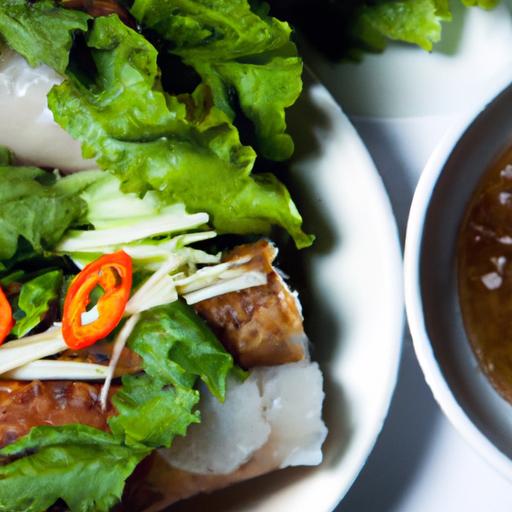
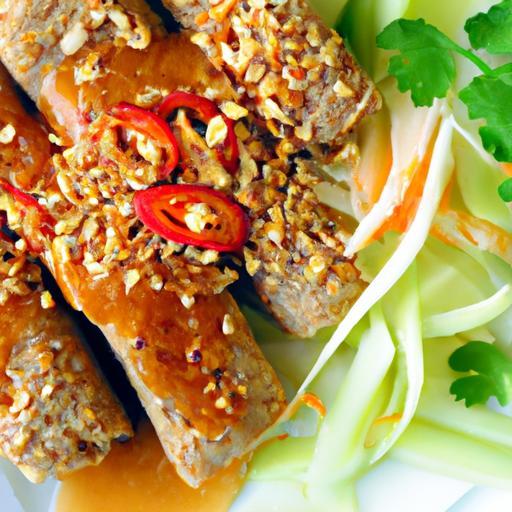
A3: Absolutely! Banh Xeo, the sizzling savory pancake packed with shrimp, pork, bean sprouts, and herbs, offers a crispy delight unlike any other. Then there’s Nem Lui, grilled lemongrass pork skewers wrapped in rice paper with fresh greens and dipping sauce-a bite-sized explosion of flavor.
Q4: How does Vietnamese street food reflect the country’s culture?
A4: Every street food stall is a living mosaic of Vietnam’s history and hospitality. Recipes are often family heirlooms passed down generations. Eating street food isn’t just about nourishment-it’s a social ritual where locals gather, share stories, and celebrate communal tastes.
Q5: What should travelers keep in mind when sampling street food in Vietnam?
A5: Adventure meets mindfulness! choose stalls bustling with locals for freshness and authenticity. Don’t shy away from asking vendors about their specialties-many are eager to share culinary secrets. And always savor the experience slowly; vietnamese street food is as much about the moment as the meal.
Q6: Can Vietnamese street food suit different dietary preferences?
A6: Vietnamese cuisine is incredibly versatile! vegetarian options like fresh spring rolls filled with herbs and tofu or Goi Cuon (fresh rolls) cater to plant-based eaters. Many dishes can be customized, and the abundance of fresh vegetables and herbs ensures flavor doesn’t take a backseat.
Q7: How can one replicate the essence of Vietnamese street food at home?
A7: Start with fresh ingredients-lemongrass, fish sauce, kaffir lime leaves, and vibrant herbs like cilantro and Thai basil are essential. Embrace the layering of textures and flavors: crisp,soft,tangy,and spicy all in one bite.And remember, patience is key-many broths and sauces develop their magic over time, so simmer slowly and savor the process.
Dive into the colorful world of Vietnamese street food and let each dish be a passport to the heart of Vietnam’s flavor-filled streets!
Insights and Conclusions
As the vibrant streets of Vietnam continue to pulse with life,their flavorful treasures await every curious palate. From the sizzling woks to the aromatic herb stalls, each bite of these street food gems tells a story steeped in history, culture, and passion. Whether you’re a seasoned foodie or an adventurous traveler, savoring Vietnam’s street food isn’t just about eating-it’s about experiencing a rich tapestry of flavors that dance on your tongue and linger in your memory. so next time you wander through those bustling alleys, let your senses guide you, and don’t miss the chance to taste the authentic heart of Vietnam, one delicious bite at a time.