


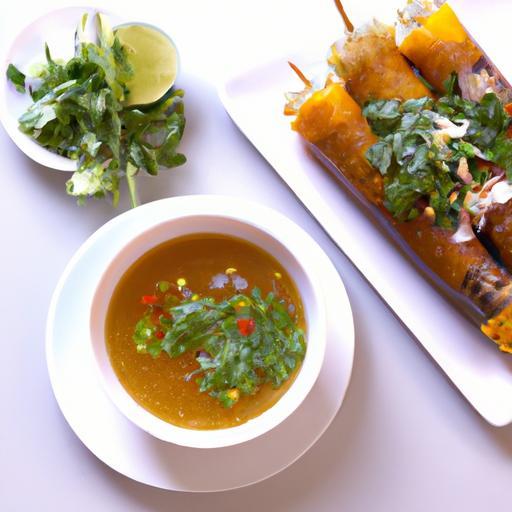
In the bustling streets of Vietnam, every corner unfolds a story told through vibrant aromas, sizzling sounds, and mouthwatering tastes. Vietnamese street food is more than just a meal-its a captivating journey into the heart of the country’s rich cultural tapestry. From fragrant bowls of pho to crispy banh xeo, these iconic delights offer a symphony of flavors that dance harmoniously between sweet, salty, tangy, and spicy. Join us as we embark on a culinary adventure to savor the flavors of Vietnam’s most beloved street food treasures,where tradition and innovation blend seamlessly in every bite.
Savor the flavors of Vietnam’s street food culture by diving into its iconic and lesser-known culinary treasures. From bustling city corners to quiet alleyways, Vietnamese street food is a vibrant mosaic of tastes, textures, and aromas that tell the story of a rich cultural heritage. Weather you’re craving the bite of a crispy bánh xèo or the aromatic slurp of a steaming bowl of phở, each dish offers a unique flavor profile that celebrates fresh ingredients, fragrant herbs, and expertly balanced seasoning.
Prep and Cook Time
- Preparation: 20 minutes
- Cooking: 15 minutes
- Total: 35 minutes
Yield
4 servings
difficulty Level
Medium
Signature Dish Spotlight: Bánh Xèo (Vietnamese Crispy Pancake)
Bánh Xèo is a golden,crispy rice flour pancake filled with savory pork,fresh shrimp,and crunchy bean sprouts. Its name means “sizzling cake,” referencing the sound it makes when the batter hits the hot cast iron skillet. Originating from Central Vietnam, this dish offers a delightful combination of crunch and tenderness seasoned with turmeric and coconut milk.
Ingredients
- 1 cup rice flour, sifted
- 1/2 tsp turmeric powder
- 1 1/4 cups coconut milk
- 1/2 cup water
- 1/2 tsp salt
- 200g pork belly, thinly sliced
- 150g shrimp, peeled and deveined
- 1 cup bean sprouts, rinsed
- 2 tbsp vegetable oil
- Fresh herbs for serving: mint, cilantro, perilla leaves
- Nuoc Cham dipping sauce (see below)
Nuoc Cham Dipping Sauce
- 3 tbsp fish sauce
- 3 tbsp fresh lime juice
- 2 tbsp water
- 1 tbsp sugar
- 1 garlic clove, minced
- 1 tsp chili flakes (adjust to taste)
Instructions
- Make the batter: In a large bowl, whisk together rice flour, turmeric, coconut milk, water, and salt until smooth and well combined. Set aside for at least 15 minutes to hydrate.
- Prepare the filling: Heat 1 tbsp of vegetable oil in a skillet over medium-high heat. Sauté pork belly slices until lightly browned and cooked through,about 5 minutes. Add shrimp and cook until pink and opaque,about 2 minutes. Remove from skillet and keep warm.
- Cook the pancakes: Wipe the skillet clean and add the remaining oil, swirling to coat. Pour a thin layer of batter (about 1/4 cup) into the skillet, tilting to spread evenly. Sauté until edges become crispy and the bottom turns a vibrant golden color, about 3-4 minutes.
- Add the filling: Arrange cooked pork, shrimp, and a handful of bean sprouts on one half of the pancake. Cover with a lid briefly (30 seconds) to allow bean sprouts to warm but stay crunchy.
- Fold and serve: Use a spatula to fold the pancake in half gently and transfer to a serving plate. Repeat with remaining batter and filling.
- Prepare dipping sauce: While cooking, combine fish sauce, lime juice, water, sugar, garlic, and chili flakes in a small bowl. Stir until sugar dissolves.
Chef’s Notes & tips for success
- Authenticity tip: Coconut milk adds richness,but you can replace half with water for a lighter version.
- Cooking tip: Use a well-seasoned cast iron skillet for optimum crispiness and even cooking.
- Make-ahead: Batter can be prepared up to 2 hours ahead and kept refrigerated.Stir before cooking.
- Variations: Substitute pork and shrimp with tofu or mushrooms for a vegetarian twist.
- Fresh herbs are essential: Serve bánh xèo with a bright medley of herbs and lettuce to wrap each bite, enhancing layers of flavor.
Serving Suggestions
Bánh Xèo is best enjoyed wrapped in crisp lettuce leaves with fresh herbs like mint, cilantro, and perilla. Dip each fold into the tangy nuoc cham sauce to add a burst of citrusy umami.Accompany the dish with pickled carrots and daikon for a refreshing balance. For an authentic street food vibe, serve on banana leaves or rustic wooden boards along with small bowls of extra dipping sauce.

| nutrition | Per Serving |
|---|---|
| Calories | 320 kcal |
| Protein | 20 g |
| Carbohydrates | 25 g |
| Fat | 12 g |
Hidden Gems: Discovering Local Favourites Beyond the Famous
The true joy of Vietnamese street food lies in exploring stalls tucked away in alleys and neighborhoods where locals gather. Dishes like bún thịt nướng – grilled pork vermicelli – or cháo vịt – duck rice porridge – offer soul-warming spins on iconic flavors. Don’t hesitate to ask vendors about their signature sauces and secret ingredients, which are often passed down through generations.
Tips for Navigating Street Food Markets like a True Foodie
- Go early: Arriving when stalls open ensures peak freshness and avoids long lines.
- Observe the crowd: Choose vendors with long lines; it’s the best sign of authentic flavors and turnover.
- Bring cash: Most markets only accept Vietnamese dong.
- Stay safe: Opt for freshly cooked dishes and watch vendors’ hygiene practices.
- Connect with locals: Use simple phrases to ask about must-try items or request recommendations.
For further inspiration, explore our guide to Vietnamese noodle dishes and delve deeper into the rich culinary landscape. Also, visit Vietnam National Governance of Tourism for cultural insights and street food festivals.
Q&A
Q&A: Savor the Flavors – Iconic Vietnamese Street Food Delights
Q1: what makes Vietnamese street food so iconic and beloved around the world?
A1: Vietnamese street food captures the soul of Vietnam’s vibrant culture through its bold flavors, fresh ingredients, and harmonious balance of herbs, spices, and textures. It’s street-side magic that melds sweet, sour, salty, and spicy notes into every bite, offering an authentic taste experience that’s both affordable and unforgettable.
Q2: Which Vietnamese street food dish should first-timers absolutely try?
A2: You can’t start your Vietnamese culinary journey without savoring a piping hot bowl of Phở. This aromatic beef or chicken noodle soup, with its clear broth infused from hours of simmering bones and spices, embodies the heart of Vietnamese comfort food. Slurp it up with fresh herbs, a squeeze of lime, and chili for a perfect introduction.
Q3: Beyond Phở, what other street food gems are must-haves?
A3: Don’t miss Bánh Mì, the French-inspired baguette sandwich layered with savory meats, pâté, pickled veggies, and fresh cilantro - a crunchy, flavorful handheld feast. Also, try Gỏi Cuốn (fresh spring rolls), bursting with shrimp, herbs, and vermicelli, wrapped tenderly in rice paper and dipped in peanut or hoisin sauce for a refreshing bite.
Q4: How do street vendors create such complex flavors with simple ingredients?
A4: Vietnamese street food chefs are masters of balance and layering. Using fresh herbs like mint, cilantro, and Thai basil alongside pickled vegetables, fish sauce, chili, and lime juice, they build complex flavors that engage all senses. Their secret lies in time-honored techniques, familial recipes, and the freshest seasonal ingredients.
Q5: Is Vietnamese street food suitable for all dietary preferences?
A5: Absolutely! Whether you’re a meat lover, vegetarian, or vegan, Vietnamese street food offers diverse options. Many dishes can be adapted – try tofu Bánh Mì, vegetarian Phở packed with mushrooms and vegetables, or crispy rice paper snacks for a plant-based delight. Just let the vendor know your preference; they’re usually happy to customize.
Q6: Where’s the best place to experience authentic Vietnamese street food?
A6: While Hanoi and Ho Chi minh City are street food capitals packed with bustling vendors, smaller cities and towns across Vietnam also offer hidden gems. To truly savor the flavors, venture beyond tourist spots, explore local markets, and don’t hesitate to try food from vendors with long lines - locals always know where to eat best!
Q7: what’s the best way to enjoy Vietnamese street food safely?
A7: Start by choosing busy stalls with high turnover to ensure fresh ingredients. Observe vendors’ hygiene practices,and opt for cooked dishes or freshly made items like spring rolls. Drinking bottled water and peeling fruits yourself adds an extra layer of safety, so you can indulge worry-free.
Q8: How has Vietnamese street food evolved in modern times?
A8: Vietnamese street food stays true to tradition yet embraces creativity and fusion. Modern vendors experiment with new fillings, global flavors, and presentation styles, all while honoring authentic recipes. This evolution keeps the cuisine vibrant and accessible for new generations and international food lovers alike.
Savoring Vietnamese street food is not just about eating; it’s a joyful sensory journey through the rich heritage and heart of Vietnam-one flavorful bite at a time.
In Summary
As the vibrant streets of Vietnam continue to pulse with life, so too does the irresistible aroma of its iconic street foods-each dish a flavorful thread in the country’s rich culinary tapestry. From the steaming bowls of phở to the crispy,savory bánh xèo,these delights invite you not only to taste but to experience the heart and soul of Vietnamese culture.So, whether you find yourself wandering the bustling markets of Hanoi or the lively night stalls of Ho Chi Minh City, let your palate be your guide. Savor the layers of tradition, innovation, and passion that make Vietnamese street food a journey unlike any other-one bite at a time.