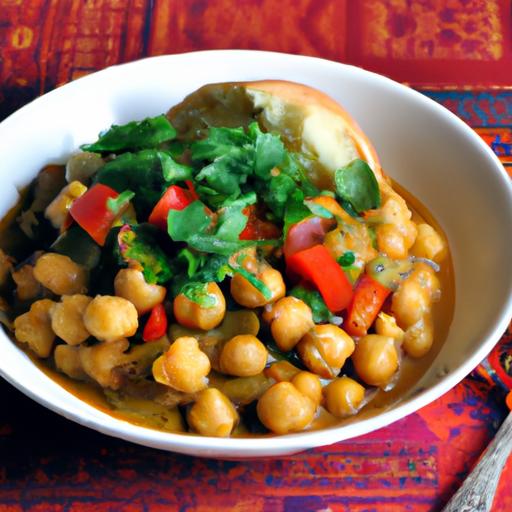



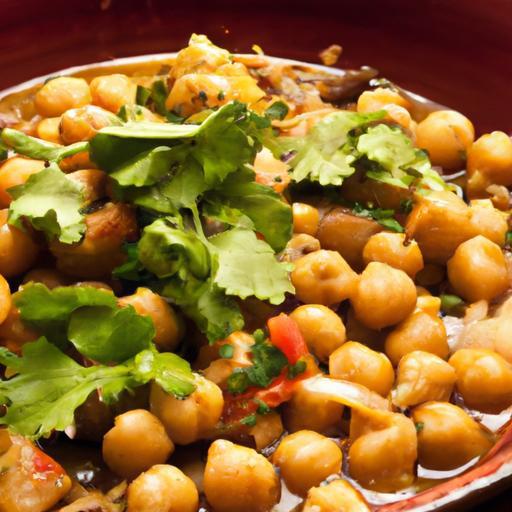
Nestled at the crossroads of Africa, Europe, and the Middle East, Moroccan cuisine is a vibrant mosaic of spices, textures, and flavors that tells the story of a rich cultural heritage. Among its many treasures,the Moroccan chickpea stew stands out as a beloved dish – a harmonious blend of aromatic spices,tender vegetables,and hearty chickpeas simmered to perfection. This warm and satisfying stew not only nourishes the body but also invites you to savor the essence of Morocco’s culinary soul. In this guide, we’ll explore the art of crafting this comforting classic, uncover the secrets behind its fragrant ingredients, and share tips to bring a taste of Moroccan home-cooking to your own table.
Discovering the rich spice palette that defines Moroccan Chickpea Stew is like embarking on a flavorful journey through North Africa’s bustling spice markets and aromatic kitchens. This dish is an emblem of hearty, comforting food that balances warmth and depth through a masterful blending of spices like cumin, coriander, and smoked paprika. Preparing this stew from scratch allows you to unlock layers of authentic, rustic flavor that make every spoonful a celebration of Moroccan culinary heritage.
Prep and Cook Time
- Preparation: 15 minutes
- Cooking: 1 hour 20 minutes
- Total: 1 hour 35 minutes
Yield
Serves 6 generous portions – perfect for sharing at a family meal or impressing guests.
Difficulty Level
Medium – ideal for home cooks who enjoy layering flavors and hands-on simmering techniques.
Ingredients
- 2 cups dried chickpeas, soaked overnight and drained (or 3 cans, rinsed and drained for shortcut)
- 3 tablespoons olive oil
- 1 large onion, finely chopped
- 4 garlic cloves, minced
- 2 teaspoons ground cumin
- 2 teaspoons ground coriander
- 1 teaspoon smoked paprika
- 1 teaspoon ground turmeric
- ½ teaspoon ground cinnamon
- 1 teaspoon ras el hanout (Moroccan spice blend)
- ¼ teaspoon cayenne pepper (optional, for heat)
- 2 medium tomatoes, diced (or 1 cup canned crushed tomatoes)
- 4 cups vegetable broth
- 1 large carrot, peeled and sliced
- 2 medium potatoes, peeled and cut into 1-inch cubes
- 1 preserved lemon, pulp removed, rind finely chopped (optional but authentic)
- Salt and freshly ground black pepper, to taste
- Fresh cilantro and parsley, chopped, for garnish
- Juice of 1 lemon
Instructions
- Prepare the Chickpeas: If using dried chickpeas, drain soaked chickpeas and simmer in fresh water for about 1 hour until tender but not mushy. Drain and set aside.
- Sauté Aromatics: Heat olive oil in a large heavy-bottomed pot over medium heat. Add the chopped onion and sauté until translucent, about 5-7 minutes. Stir in minced garlic and cook for another minute until fragrant, avoiding burning.
- Toast the Spices: Add ground cumin, coriander, smoked paprika, turmeric, cinnamon, ras el hanout, and cayenne pepper. Stir constantly for 1-2 minutes until the spices bloom and coat the onions, releasing a heady aroma. This step is crucial for authentic depth.
- Build the Stew Base: Mix in the diced tomatoes,stirring well to blend. Let the mixture cook down for 5 minutes, allowing the tomatoes to soften and integrate with the spices.
- Add Vegetables and Chickpeas: Stir in the sliced carrots, diced potatoes, and cooked chickpeas. Add the chopped preserved lemon rind for a bright, tangy undertone.
- Simmer the Stew: Pour in the vegetable broth. Bring to a gentle boil, reduce heat to low, cover, and let simmer for 40-50 minutes. Check occasionally, stirring gently and adding more broth or water if it becomes too thick.
- Season and Finish: Once vegetables are tender and the stew is luxuriously thick, season with salt, black pepper, and lemon juice to achieve a perfect balance of savory and bright notes.
- Garnish and Serve: Ladle into bowls and sprinkle generously with freshly chopped cilantro and parsley. Serve piping hot for ultimate comfort.
Chef’s Notes and Tips for Success
- Spice Variations: Substitute ras el hanout with a combination of turmeric, cinnamon, cumin, coriander, cardamom, and a pinch of cloves if you can’t find it locally.
- Preserved Lemon: This ingredient is a game-changer for authentic flavor. If unavailable, a splash of lemon zest can be used as a substitute.
- Thickening the Stew: For an even thicker texture,mash a few chickpeas within the stew during the last 10 minutes of cooking.
- Make-Ahead: the flavors deepen beautifully overnight. Reheat gently on the stovetop, adding a splash of broth if needed.
- Meat Addition: For a non-vegetarian option, brown lamb chunks before sautéing onions, then proceed with spices and broth.
Serving Suggestions to Elevate Your Moroccan Feast
This Moroccan Chickpea Stew pairs wonderfully with fluffy steamed couscous or warm, crusty bread to soak up its luscious sauce. For an extra touch of indulgence, serve alongside a dollop of creamy labneh or a drizzle of harissa for heat. Garnish with a scattering of toasted almonds or pine nuts, and add a side of minted yogurt to balance the stew’s intense spices. A fresh green salad with lemon vinaigrette creates a refreshing contrast that rounds out the meal perfectly.

| Nutrition (per serving) | Calories | protein | Carbs | Fat |
|---|---|---|---|---|
| Moroccan Chickpea Stew | 320 kcal | 12 g | 45 g | 8 g |
For more about harnessing warm spices in Moroccan cuisine, visit Britannica’s Moroccan Cuisine Overview.
Q&A
Q&A: savor the Flavors – A Hearty Guide to Moroccan Chickpea Stew
Q1: What makes Moroccan Chickpea Stew so special and beloved?
A1: Moroccan Chickpea Stew is a vibrant symphony of spices, textures, and wholesome ingredients that tell a story of tradition and hospitality. Its magic lies in the harmonious blend of earthy chickpeas, fragrant spices like cumin and cinnamon, and the bright freshness of preserved lemons and herbs. this stew captures the essence of Moroccan cuisine-comforting, richly layered, and infinitely satisfying.
Q2: Which key ingredients define the authentic flavor of this stew?
A2: At the heart of the stew are tender chickpeas and a medley of vegetables often including tomatoes, carrots, and potatoes.The characteristic Moroccan flavor profile emerges from aromatic spices such as cumin,coriander,ginger,paprika,and a hint of cinnamon. preserved lemons add a distinctive tangy brightness, while fresh cilantro or parsley brings a lively finish. Don’t forget a good drizzle of harissa for those who prefer a gentle kick of heat!
Q3: How can I make this stew hearty and nourishing for a family meal?
A3: To create a truly hearty Moroccan Chickpea Stew, consider adding root vegetables like sweet potatoes or butternut squash for extra body, and some tender chunks of lamb or chicken if you desire a non-vegetarian touch. Slow simmering allows flavors to mingle beautifully and the chickpeas to soften perfectly. Serving the stew over fluffy couscous or alongside crusty bread makes it a filling, wholesome feast.
Q4: Can this dish be adapted for vegan or gluten-free diets?
A4: Absolutely! The base of Moroccan Chickpea Stew is naturally vegan and gluten-free. Simply skip any meat additions and ensure your spices and preserved lemons are free from additives. For a gluten-free meal, steer clear of traditional wheat-based couscous and opt for gluten-free grains like quinoa or millet as the perfect accompaniment.
Q5: what tips can help elevate the stew’s depth of flavor?
A5: To deepen the complexity, toast your spices lightly before adding them to the stew-this unlocks their aromatic oils. Using homemade or high-quality preserved lemons elevates the tangy notes significantly. Letting the stew rest for a few hours or overnight allows the flavors to marry and intensify, making each spoonful more rewarding. Lastly, finish with a handful of fresh herbs and a squeeze of fresh lemon juice right before serving for a bright, fresh contrast.
Q6: How does Moroccan Chickpea Stew fit into the cultural tapestry of Morocco?
A6: this stew is more than just a meal-it’s a reflection of Moroccan communal dining and the country’s rich spice trade history. Chickpeas have been a staple in Moroccan kitchens for centuries, and the dish embodies the balance of sweet, savory, and sour flavors that Moroccan cuisine celebrates. It’s often served during family gatherings and special occasions, symbolizing warmth, generosity, and the joyous sharing of food.
Q7: Where can I find inspiration beyond the traditional recipe?
A7: While the classic Moroccan Chickpea Stew is a masterpiece on its own, feel free to experiment with ingredients like roasted eggplant, spinach, or even dried fruits like apricots and raisins for subtle sweetness. Incorporate nuts like toasted almonds or pine nuts for crunch,or swirl in some creamy yogurt or coconut milk for added richness. The stew’s adaptability invites creativity while honoring its soulful roots.
dive into a bowl of Moroccan Chickpea Stew, and you’re not just tasting food-you’re savoring centuries of culture, flavor, and heartful home cooking. Bon appétit, or as they say in Morocco, Besseha wa raha!
Concluding Remarks
as the fragrant steam rises from a bowl of Moroccan chickpea stew, it’s more than just a meal-it’s a journey through vibrant spices, hearty textures, and timeless traditions. This dish invites you to savor the rich tapestry of flavors that define Moroccan cuisine,offering comfort and nourishment in every spoonful. Whether you’re seeking to warm your soul on a chilly evening or to explore new culinary horizons, this hearty stew stands as a appetizing testament to the art of melding simple ingredients into something truly remarkable. So next time you crave a taste of warmth and heritage, remember that a pot of Moroccan chickpea stew is waiting to welcome you home.