



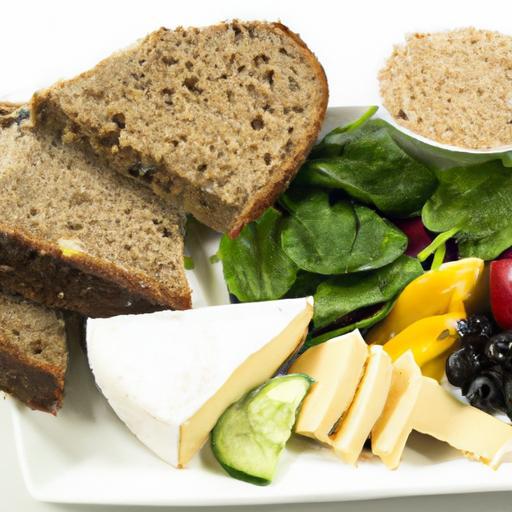
In the world of wholesome grains, rye bread stands tall-not just as a rustic staple but as a powerful ally for your health and palate alike.Beyond its hearty texture and deep, nutty flavor lies a treasure trove of nutritional benefits waiting to be discovered. “Rye Bread Revelations: Health Boosts and Tasty Recipes” invites you on a journey through the rich history, surprising wellness perks, and mouthwatering culinary possibilities of this ancient grain. Whether you’re a seasoned rye enthusiast or a curious newcomer, prepare to unlock secrets that will elevate your kitchen creations and invigorate your well-being.
rye bread revelations begin wiht the remarkable blend of rich flavor and nutritional prowess that this wholesome loaf brings to your kitchen. Steeped in Northern European tradition, rye bread has long been cherished not only for its hearty taste but also for its exceptional health benefits-promoting digestion and encouraging heart health through its dense fiber content and unique grain composition.
Imagine slicing into a warm, rustic rye loaf with a crackling crust and a dense, moist crumb dotted with caraway seeds-each bite bursting with nutty complexity. This recipe will guide you through mastering homemade rye bread, unlocking both its culinary charm and wellness virtues.
Prep and Cook Time
- Prep: 30 minutes
- Rise Time: 2 hours 15 minutes (includes two rises)
- Bake: 45 minutes
- Total: 3 hours 30 minutes
Yield
One 9-inch loaf, serving 10-12 slices
Difficulty Level
Medium – perfect for adventurous bakers eager to deepen their bread skills
Ingredients
- 2 cups rye flour
- 1 ½ cups bread flour, plus extra for kneading
- 1 ¼ cups warm water (110°F/43°C)
- 2 tsp active dry yeast
- 1 tbsp molasses (for subtle sweetness)
- 1 ½ tsp salt
- 1 tbsp caraway seeds, toasted for aroma
- 2 tbsp olive oil
Instructions
- Activate the yeast: In a small bowl, combine warm water, molasses, and active dry yeast. stir gently and let it sit for 5-7 minutes until frothy. This signals a healthy yeast culture ready to leaven your bread.
- Mix flours and salt: In a large mixing bowl, whisk together rye flour, bread flour, and salt. The rye flour lends a dense texture while the bread flour ensures elasticity and rise.
- Combine wet and dry ingredients: Pour the yeast mixture and olive oil into the flour mix. Using a wooden spoon or your hands, stir until the dough begins to form. It will be sticky due to rye’s heavy bran.
- Knead the dough: Turn dough onto a floured surface. Knead for approximately 10 minutes, adding more bread flour if necessary, until smooth and elastic. Remember, rye dough is tackier than typical wheat dough-avoid over-flouring.
- First rise: place the dough in a lightly oiled bowl, cover with a clean towel or plastic wrap, and let rise in a warm place for 1 ½ hours or until doubled in size.
- Shape the loaf: Gently deflate dough and knead in the toasted caraway seeds. Shape into a tight oval loaf and place on a parchment-lined baking sheet or in a greased loaf pan.
- Second rise: Cover and let it rise for another 45 minutes until slightly puffed.
- Preheat and bake: Preheat oven to 425°F (220°C). Score the top of the loaf with a sharp knife to allow even expansion. Bake for 15 minutes, then reduce heat to 375°F (190°C) and bake for an additional 30 minutes.
- Cool completely: Transfer the bread to a wire rack and let cool fully to set its crumb and deepen flavor.
Tips for Success
- Flour substitutions: If rye flour is tough to find, substitute half with whole wheat flour for a comparable texture and nutrition.
- Caraway variation: Swap caraway seeds for fennel or anise for an aromatic twist.
- Make ahead: Rye bread improves with time. Slice the loaf after 24 hours to allow the crumb to settle for optimal taste and texture.
- Humidity matters: In dry climates, add a teaspoon of extra olive oil or a splash of water during kneading to maintain moisture.
Serving Suggestions
enjoy your rye bread slathered with creamy butter and a sprinkle of flaky sea salt for breakfast. for lunch, layer thick-cut slices with smoked salmon, cream cheese, and fresh dill for a Nordic-inspired sandwich. Warm slices also accompany rich stews splendidly,soaking up hearty flavors. Garnish with fresh herbs or a scattering of seeds on top for visual appeal.
| Nutrient | Per slice (approx.) |
|---|---|
| Calories | 110 kcal |
| Protein | 4 g |
| Carbohydrates | 22 g |
| Fat | 1.5 g |

For additional rye bread variations and whole grain baking tips, check out our Whole Grain Bread Basics. To deepen your understanding of rye’s health benefits, visit the Harvard Medical School detailed article.
Q&A
Q&A: Rye Bread Revelations – Health Boosts and Tasty Recipes
Q1: What makes rye bread stand out from other types of bread?
A1: rye bread isn’t just another loaf on the shelf-it’s a rich tapestry of flavor and nutrition. Unlike wheat bread, rye has a denser texture and a slightly tangy, earthy taste that’s deeply satisfying. It’s made from rye grain,which packs more fiber and micronutrients,making it a powerhouse for your digestive health and overall wellness.
Q2: How does rye bread benefit your health?
A2: Rye bread works wonders for your body! It’s loaded with dietary fiber, which helps regulate blood sugar levels and keeps you feeling fuller for longer. this makes it an excellent choice for weight management and diabetes-kind diets.Plus,the grain’s unique composition supports heart health by improving cholesterol levels and promoting a healthy gut microbiome.
Q3: Can rye bread help with digestion?
A3: Absolutely! The high fiber content in rye bread acts like a gentle broom sweeping through your digestive tract. It fosters beneficial bacteria growth and enhances bowel regularity, reducing the risk of constipation. Enjoying rye bread can contribute to a happier, healthier gut.
Q4: Is rye bread suitable for gluten-sensitive individuals?
A4: Rye bread contains gluten, but its gluten structure differs from wheat’s.While it’s generally not safe for those with celiac disease, some people with mild gluten sensitivities tolerate rye better. However, if you have gluten intolerance, it’s best to consult your healthcare provider before indulging in rye bread.
Q5: What are some creative ways to enjoy rye bread in recipes?
A5: Rye bread’s robust flavor shines in numerous delicious ways.Try it toasted with creamy avocado, smoked salmon, and a sprinkle of dill for a Scandinavian-inspired delight. For a cozy twist, craft a rye bread stuffing with apples, walnuts, and herbs. Or whip up a hearty rye bread French toast, pairing its slight tanginess with maple syrup and fresh berries.
Q6: How can I incorporate rye bread into my daily meals?
A6: Incorporating rye bread is simple and tasty! Swap out your usual sandwich bread for rye in the morning or bring a rye-based panini to lunch. It also makes a fantastic base for open-faced sandwiches topped with eggs, cheese, and roasted veggies. Don’t forget rye croutons tossed into your salads for that extra crunch and flavor punch.
Q7: Any tips for selecting quality rye bread at the store?
A7: Look for breads labeled “100% rye” or “whole grain rye” to maximize health benefits. Authentic rye bread often has a darker color and a denser crumb. Avoid varieties with excessive preservatives or sweeteners, and if possible, choose artisanal or bakery options for freshness and richness in taste.
Q8: Can rye bread fit into a balanced diet?
A8: Definitely. Rye bread is a nutritious carbohydrate source that complements proteins, healthy fats, and plenty of fruits and veggies. Its fiber and mineral content make it more than just a filler-it’s a meaningful contributor to a balanced, wholesome diet.
Embrace the rye revolution-it’s time to savor the health boosts and scrumptious possibilities hidden within every hearty slice!
To Conclude
As the crusty aroma of freshly baked rye bread lingers in the air, it’s clear that this humble grain offers more than just a satisfying crunch. From its hearty nutritional profile to its surprising health benefits-from improved digestion to steady energy release-rye bread stands as a testament to the delicious marriage of tradition and wellness. Whether you’re a seasoned baker or a curious foodie, the recipes explored here invite you to embrace rye’s rich flavors and nourishing qualities in your daily life.So next time you reach for a slice, remember: you’re not just enjoying bread, you’re savoring a slice of history that’s as good for your body as it is for your taste buds. Here’s to rye-grain of revelation, and heart of the table.