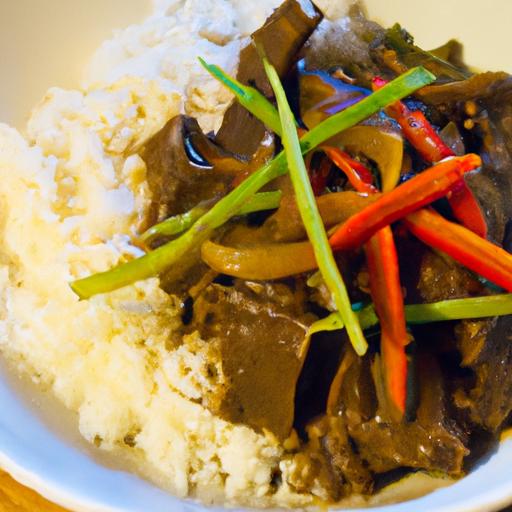



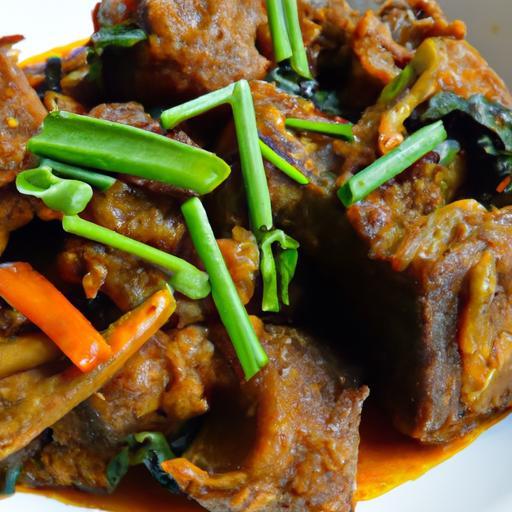
When it comes to bold, aromatic dishes that tell a story with every bite, Indonesian rendang stands tall as a culinary masterpiece. Traditionally a slow-cooked beef curry, rich with layers of spices, coconut milk, and tender texture, rendang is celebrated worldwide for its deeply flavorful profile and cultural significance. But what if you could experience that same explosion of taste without the meat? Enter the world of rich and flavorful vegan Indonesian rendang-where plant-based ingredients meet authentic spice blends to create dishes that honour tradition while embracing modern palates. In this article, we’ll explore vibrant vegan rendang recipes that capture the essence of Indonesia’s iconic dish, bringing warmth, complexity, and a touch of exotic flair to your kitchen. Whether you’re a seasoned vegan or simply curious about plant-based cooking, these rendang creations promise a taste adventure you won’t soon forget.
Rich & flavorful vegan Indonesian rendang recipes to try capture the heart of Indonesia’s famed slow-cooked curry, reimagined without animal products but bursting with authentic, layered spices. Originating from the Minangkabau region, rendang is revered for its deep, complex flavors achieved through a patient simmering of spices and coconut milk. This plant-based version embraces the soul of the dish with tender jackfruit or mushrooms, delivering that famed rich aroma and velvety texture while keeping it entirely vegan.
Prep and Cook time
- Preparation: 20 minutes
- Cooking: 2 hours 30 minutes (slow simmer for maximum depth)
- Total: 2 hours 50 minutes
Yield
Serves 6 hearty portions
Difficulty Level
Medium – Requires some prep but straightforward slow cooking creates incredible results
Essential Ingredients to Craft the Perfect Plant-Based Rendang
- 2 cups young green jackfruit (canned, drained and shredded) or 3 cups oyster mushrooms, thickly sliced
- 1 cup thick coconut milk, well stirred
- 3 tbsp coconut oil or neutral oil
- 1 large shallot, finely sliced
- 5 cloves garlic, minced
- 2 stalks lemongrass, bruised and sliced into 3-inch pieces
- 3 kaffir lime leaves, torn
- 2 turmeric leaves (optional), torn
- 2 tbsp tamarind paste
- 1 tsp ground coriander
- 1 tsp ground cumin
- 1 tbsp toasted grated coconut (kerisik)
- 5 dried red chilies (soaked and blended with spice paste)
- 2 large red chilies, sliced for garnish (optional)
- 1 inch fresh ginger, peeled and chopped
- 1 inch fresh galangal, peeled and chopped
- 2 tsp palm sugar or brown sugar
- Salt to taste
- 1 cup water or vegetable broth
Step-by-Step Guide to Achieving Richness and Depth in Vegan Rendang
- Make the spice paste: In a food processor, combine shallot, garlic, soaked dried chilies, fresh ginger, galangal, coriander, cumin, and salt. Blend to form a smooth paste. Add a splash of water if needed to aid blending.
- Heat oil in a large heavy-bottomed pot: Add the spice paste and sauté over medium heat until fragrant and golden brown, about 7-8 minutes. Stir constantly to prevent burning.
- Add lemongrass, kaffir lime leaves, and turmeric leaves: Cook 2 more minutes, releasing their citrusy aroma.
- Stir in jackfruit or mushrooms: Coat thoroughly with the spice mixture. Cook for 5 minutes until slightly caramelized.
- Pour in coconut milk and water or broth: Add tamarind paste and palm sugar. Stir gently to combine, then bring to a simmer.
- Reduce heat to low and simmer uncovered: Stir occasionally, allowing the liquid to reduce slowly and the flavors to concentrate. This should take about 2 hours. Patience here ensures that signature rendang thickness.
- Add toasted grated coconut (kerisik): Fold in during the last 15 minutes to add nuttiness and thickness.
- Adjust seasoning: Add salt or more sugar as needed. The sauce should be rich,dark,and cling beautifully to the jackfruit or mushrooms.
- Turn off heat: Let rest for 10 minutes-this deepens the flavors further.
Chef’s Notes – Tips for Success
- For best results, use young green jackfruit: Its texture mimics shredded meat beautifully, soaking up the sauce.
- If fresh turmeric leaves or kaffir lime leaves are unavailable: Substitute with zest of lime and a pinch of turmeric powder to emulate flavors.
- control the heat level: Adjust the amount and type of chilies for milder or spicier rendang.
- Make-ahead: Like manny curries, this rendang tastes even better the next day and freezes well for up to one month.
- Use a heavy-bottomed pot or cast iron pan: To prevent burning, which negatively affects the richness of the dish.
serving Suggestions
Serve the vegan rendang steaming hot over fragrant jasmine rice or Indonesian coconut rice (nasi uduk). Garnish with freshly sliced red chilies and a sprinkle of toasted grated coconut for an authentic touch. A side of crisp stir-fried green beans or steamed bok choy complements the richness perfectly. Top with fresh lime wedges for a zesty counterpoint.
| Nutritional Info (per serving) | Amount |
|---|---|
| Calories | 320 kcal |
| Protein | 8 g |
| Carbohydrates | 23 g |
| Fat | 22 g |

For those curious about the cultural significance and detailed history behind rendang, visit Britannica’s Rendang article. To experiment with other Indonesian staples, check out our related Indonesian vegan recipes for more inspiration.
Q&A
Q&A: Rich & Flavorful Vegan Indonesian Rendang Recipes to Try
Q1: What is Rendang, and why is it such a beloved dish in Indonesian cuisine?
A: Rendang is a customary Indonesian slow-cooked stew, typically made with beef simmered in coconut milk and a complex blend of spices until tender and deeply infused with flavor. Originating from the Minangkabau ethnic group of West Sumatra, it’s beloved for its rich, aromatic profile and hearty texture-a perfect celebration of Indonesian culinary heritage.
Q2: How can Rendang be adapted into a vegan-friendly recipe without losing its authentic richness?
A: The magic of Rendang lies in its spice blend and slow simmering method rather than just the meat. Vegan rendang swaps beef for hearty plant-based alternatives like tempeh, jackfruit, mushrooms, or even eggplant. Coconut milk remains a staple to provide that creamy, luscious texture, while a vibrant mix of turmeric, ginger, lemongrass, galangal, and chili builds the bold, layered flavors we’re after.
Q3: What ingredients are essential to achieve the traditional Rendang taste in a vegan version?
A: Key ingredients include fresh lemongrass, galangal, turmeric, ginger, garlic, shallots, chili peppers, cinnamon, star anise, and coconut milk. These spices come together to form a fragrant paste that, once sautéed and simmered, infuses the dish with its signature warmth and complexity-even without any animal products.
Q4: Which plant-based proteins work best in vegan Rendang recipes?
A: Jackfruit is a popular choice for its fibrous texture that mimics shredded meat.Tempeh offers a nutty, firm bite, while mushrooms-especially shiitake or king oyster-bring an umami punch.Some adventurous cooks even use dried soy curls or seitan for an even more meat-like chew.
Q5: What cooking techniques are important for developing the depth of flavor in vegan Rendang?
A: Patience is key! Slow simmering the spice paste with your plant protein and coconut milk on low heat allows the flavors to meld and the sauce to reduce to a thick,caramelized consistency. Toasting the spices before blending and frying the paste enhances aroma and depth.Stir frequently enough and don’t rush-the longer it cooks, the richer it gets.
Q6: Can vegan Rendang be made ahead,and does it taste better over time?
A: Absolutely! Like many stews,Rendang often benefits from resting. Allowing it to cool and then reheating the next day lets the flavors deepen, making leftovers even tastier. It freezes well too, perfect for meal prep or impressing guests with minimal stress.
Q7: What are some creative side dishes to serve alongside vegan Rendang?
A: Traditional accompaniments like steamed jasmine rice or coconut rice work beautifully. You might also serve it with turmeric-infused rice cakes (lontong), sautéed greens like water spinach (kangkung), or crisp vegetable salads to balance the rich stew. For a fusion twist, fluffy roti or crusty bread can be lovely for soaking up every last drop.
Q8: Where can beginners find reliable vegan Rendang recipes to try at home?
A: Numerous online food blogs and Indonesian culinary websites offer vegan rendang variations tailored for home cooks, complete with detailed ingredient lists and step-by-step photos. Cookbooks focusing on Southeast Asian vegan cuisine are also treasure troves for authentic yet accessible rendang recipes.
Q9: How does trying vegan Indonesian Rendang enrich one’s culinary experience?
A: Exploring vegan rendang opens a world of bold spices and traditional cooking techniques while honoring ethical and dietary choices. It’s a tasty gateway to Indonesian culture, showcasing how plant-based ingredients can be transformed into deeply satisfying, soul-warming dishes that connect us across continents and cuisines.
Q10: Any tips for customizing vegan Rendang to suit different spice preferences?
A: Definitely! If you prefer milder dishes, reduce the number of chili peppers or remove the seeds to lower heat.For those who love a fiery kick, add extra fresh chilies or a dash of chili paste toward the end. Balance is key-taste as you go and adjust sweetness, salt, or acidity (a splash of tamarind or lime juice) to make the rendang uniquely yours.
Enjoy your journey into rich and flavorful vegan Indonesian rendang-where tradition meets innovation in every luscious bite!
Closing Remarks
As you embark on your culinary journey through these rich and flavorful vegan Indonesian rendang recipes, you’ll discover that traditional tastes and plant-based creativity can harmonize beautifully. Each bite is a celebration of bold spices, tender textures, and cultural heritage reinvented for the compassionate eater. Whether you’re a seasoned vegan or simply curious about the vibrant world of Indonesian cuisine, these rendang dishes offer an inviting gateway to explore complex flavors without compromising your values.So gather your ingredients, embrace the slow-cooked magic, and let your kitchen fill with the unforgettable aroma of rendang-a timeless classic, reimagined for today’s plant-powered palate.