



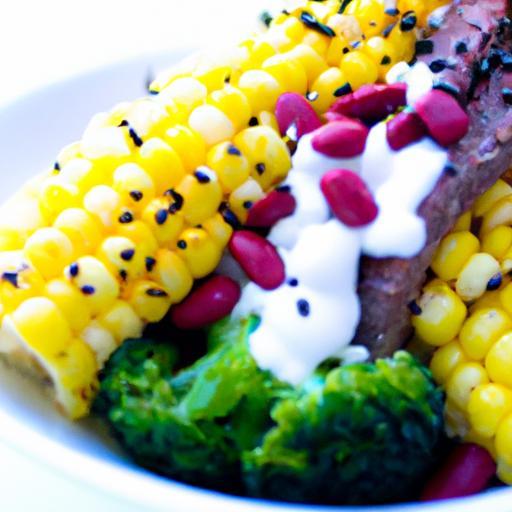
In the intricate tapestry of nutrition, few elements shine as brightly as protein - the powerhouse macronutrient that fuels our bodies and fortifies our cells.More than just a building block for muscles, protein is a complex blend of essential nutrients that orchestrate vital functions, from repairing tissues to producing enzymes and hormones. But what exactly lies within this nutrient-packed marvel, and why does it command such a pivotal role in our health? Join us as we unravel the fascinating world of protein, unveiling the essential nutrients it harbors and exploring how they empower our bodies to thrive.
Powerhouse Protein fuels more than just your muscles; it’s the cornerstone of vibrant health and vitality.When we delve into the intricate world of amino acids-the building blocks that stitch proteins together-we unlock the secrets to creating meals that nourish the body from within. This recipe celebrates a harmonious balance of complete and incomplete proteins,combining plant and animal sources into a vibrant dish bursting with texture,flavor,and nourishing power.
Prep and Cook Time
Prep: 20 minutes | Cook: 25 minutes | Total: 45 minutes
Yield
Serves 4 hearty portions
Difficulty Level
Medium – Great for home cooks ready to explore protein diversity
Ingredients
- 1 cup quinoa, rinsed thoroughly
- 2 cups low-sodium vegetable broth
- 200g skinless chicken breast, sliced into strips
- 1 cup cooked chickpeas, drained and rinsed
- 1 medium red bell pepper, diced
- 1 cup fresh spinach, roughly chopped
- 2 cloves garlic, minced
- 1 tablespoon extra virgin olive oil
- 1 teaspoon smoked paprika
- Salt and freshly cracked black pepper, to taste
- Juice of 1 lemon
- 2 tablespoons chopped fresh parsley
- 1/4 cup crumbled feta cheese (optional for garnish)
Instructions
- Toast the quinoa: In a medium saucepan, heat 1 teaspoon olive oil over medium heat. Add the rinsed quinoa and toast for 2-3 minutes, stirring occasionally untill fragrant.
- Simmer quinoa: Pour in the vegetable broth, bring to a boil, then reduce heat to low, cover, and simmer for 15 minutes, or until all liquid is absorbed and quinoa is fluffy.
- Cook chicken: While quinoa simmers,heat remaining olive oil in a large skillet over medium heat. Add garlic and sauté until fragrant, about 30 seconds.
- Add chicken to skillet: Season with smoked paprika, salt, and pepper. Cook 5-7 minutes until golden and cooked through, flipping halfway.
- Incorporate veggies and chickpeas: Stir in red bell pepper, chickpeas, and spinach. Sauté for another 3-4 minutes until the spinach wilts and peppers soften, balancing textures beautifully.
- Combine and finish: Fluff the cooked quinoa with a fork and transfer to the skillet. Toss everything gently to combine. Drizzle with lemon juice and sprinkle with fresh parsley.
- Plate and garnish: Serve warm with crumbled feta on top as a finishing touch for an additional creamy tang (if desired).
chef’s Notes
- protein play: Quinoa and chickpeas bring plant-based amino acids but pair perfectly with chicken for a complete protein profile.
- Vegan twist: Swap chicken with marinated tempeh or grilled tofu; omit feta or use vegan cheese for a fully plant-powered option.
- Make-ahead option: Prepare quinoa in advance and store; assemble and sauté fresh veggies and proteins when ready for a swift, nutrient-packed meal.
- Seasoning upgrade: Add a pinch of cumin or chili flakes for a smoky depth or heat punch that enlivens every bite.
Serving Suggestions
Delight in this Powerhouse Protein dish served alongside a crisp cucumber and tomato salad dressed with tangy lemon vinaigrette. Garnish with extra parsley or a sprinkle of toasted sesame seeds for crunch. Pair with a chilled glass of herbal iced tea or sparkling water infused with fresh mint to elevate the freshness.

| Nutrient | per Serving |
|---|---|
| Calories | 420 kcal |
| Protein | 38 g |
| Carbohydrates | 35 g |
| Fat | 9 g |
For more insights on protein diversity and creative cooking, check out our Plant-Based Power Plates article, and explore the Harvard T.H. Chan School of Public Health’s Protein overview for expert guidance on balanced nutrition.
Q&A
Q&A: Powerhouse Protein – Unveiling Essential Nutrients Inside
Q1: What makes protein a “powerhouse” nutrient?
A1: Protein earns it’s “powerhouse” title because it’s the body’s ultimate multitasker. Beyond building and repairing muscles, it fuels enzymes, hormones, and immune defenses. Think of protein as the master architect and tireless worker that keeps your body’s blueprint intact and functioning smoothly.
Q2: What are the essential nutrients hidden inside protein-rich foods?
A2: Protein-packed foods are treasure chests brimming with essential amino acids-the building blocks your body can’t produce on its own. They also often carry vital companions like B vitamins, iron, zinc, and magnesium, transforming every bite into a nutrient-packed boost.
Q3: How do essential amino acids impact our health?
A3: Essential amino acids are like VIP guests at the body’s cellular party-they must be supplied through diet. They help synthesize neurotransmitters, build muscle tissue, support immune function, and maintain healthy skin and hair. Without them, the body’s intricate machinery would lose its rhythm.
Q4: Can plant proteins provide the same powerhouse benefits as animal proteins?
A4: Absolutely! While animal proteins are “complete” proteins containing all essential amino acids, many plant sources-when combined thoughtfully-offer the full spectrum too. Think quinoa, chia seeds, lentils, and soy as nature’s plant-based powerhouses, delivering a rich nutrient profile plus fiber and antioxidants.
Q5: Why is protein crucial for energy and metabolism?
A5: Protein plays a subtle but crucial role in powering metabolism. Unlike carbs and fats, protein has a higher thermic effect, meaning your body burns more calories digesting it. It also stabilizes blood sugar and keeps you energized, making it a reliable fuel source throughout the day.
Q6: How much protein do we really need to unlock its full potential?
A6: The golden rule varies based on age, activity, and goals, but generally, adults need about 0.8 grams per kilogram of body weight. for active individuals or those building muscle, that number rises, transforming protein into an essential partner on your journey to strength and vitality.
Q7: What are some surprising benefits of embracing protein in your diet?
A7: Beyond muscle magic, adequate protein intake supports brain health, helps manage weight, boosts mood, and even promotes better sleep. It’s a nutritional powerhouse that fuels not just your body, but your entire well-being.Q8: How can I creatively incorporate more protein into my meals?
A8: The possibilities are endless! Sprinkle seeds on salads,blend Greek yogurt into smoothies,savor lentil stews,or enjoy grilled salmon with vibrant veggies. Think of protein as your versatile palette-ready to elevate any meal into a feast of flavor and nourishment.
Unlock the secrets inside ”Powerhouse Protein” and let essential nutrients fuel your life with strength, energy, and vitality!
Future Outlook
As we peel back the layers of these powerhouse proteins, it becomes clear that their role goes far beyond simple sustenance. Each nutrient-packed bite is a symphony of essential elements working in harmony to fuel our bodies, fortify our cells, and ignite our vitality.Embracing the diverse world of proteins not only nourishes our muscles but also supports overall well-being,paving the way for a healthier,more energized life. So next time you sit down to eat, remember: you’re not just feeding hunger – you’re unlocking a treasure trove of nutrients that power every move you make.