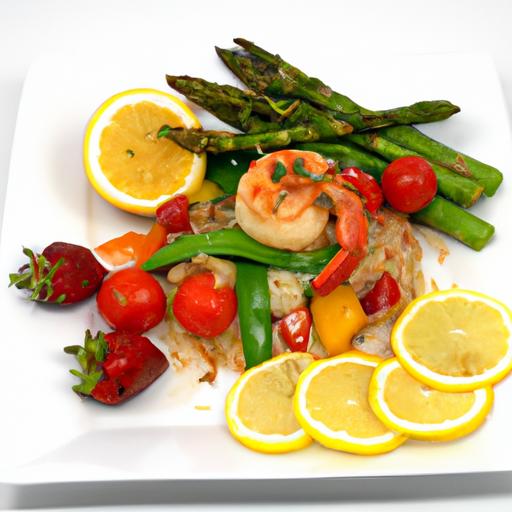



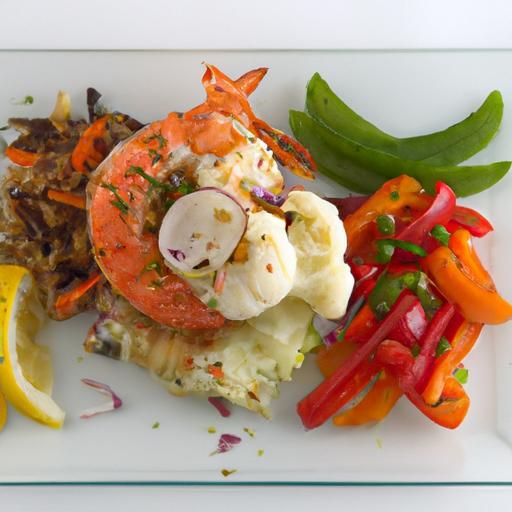
in the bustling quest for nutritious meals that satisfy both the palate and the body, seafood emerges as a star contender-offering a treasure trove of protein packed with flavor and health benefits. Welcome to the world of power-packed plates, where every bite of succulent fish, tender shellfish, and oceanic delights fuels your day with muscle-building protein, essential omega-3s, and vital nutrients. Whether you’re a fitness enthusiast aiming to boost recovery or a food lover seeking vibrant, wholesome dishes, diving into healthy high-protein seafood is your passport to culinary vitality. Join us as we explore mouthwatering recipes and tips that transform seafood into your ultimate health ally-tasty,nourishing,and powerfully simple.
Power-Packed Plates providing high-protein seafood options not only elevate your diet with essential nutrients but also delight your palate with vibrant, fresh flavors. Seafood is a versatile and nutrient-dense addition that supports muscle growth,heart health,and cognitive function,making it a cornerstone for balanced eating habits. Whether you’re drawn to the flaky richness of salmon or the delicate sweetness of scallops, choosing the right protein-rich seafood can transform your meals into nourishing celebrations.
Prep and Cook Time
- Preparation: 15 minutes
- Cooking: 20 minutes
- Total Time: 35 minutes
Yield
Serves 4
Difficulty Level
easy to Medium
Ingredients
- 1 lb wild-caught salmon fillets, skin on
- 2 tbsp olive oil
- 3 cloves garlic, minced
- 1 lemon, zested and juiced
- 1 tsp smoked paprika
- 1/2 tsp freshly ground black pepper
- Pinch of sea salt
- 1 tbsp fresh dill, finely chopped
- 1 cup baby spinach, lightly steamed
- 1/2 cup quinoa, cooked
Instructions
- Warm your skillet over medium-high heat. Add the olive oil and allow it to shimmer, which ensures a nice sear on the salmon.
- Pat the salmon fillets dry with paper towels. Season each fillet evenly with salt, pepper, smoked paprika, and lemon zest for a fragrant and flavorful crust.
- Lay the salmon skin-side down carefully into the hot skillet. Sear for 5-7 minutes without moving it-this forms a crispy skin that’s irresistible.
- Flip the fillets gently and add the minced garlic to the pan, sautéing just until fragrant (about 30 seconds). Immediately squeeze half the lemon juice over the fish for a bright,fresh contrast.
- Cook for another 3-4 minutes or until the salmon is opaque and flakes easily with a fork.
- Remove from heat and sprinkle the fresh dill on top. Let it rest for 2 minutes to allow the flavors to meld.
- Serve atop a bed of warm quinoa and baby spinach, drizzled with the remaining lemon juice for an added tangy punch.
Chef’s Notes
Variations: Swap salmon with cod, halibut, or sustainably sourced tuna for diverse textures and flavors. For an extra protein boost, toss in a handful of toasted almonds or seeds as garnish.
Substitutions: If you don’t have quinoa, couscous or brown rice work beautifully as hearty bases.
Make-Ahead Tips: Marinate the salmon with lemon juice,garlic,and spices up to 2 hours in advance to deepen the flavor without losing the bright acidity.
Troubleshooting: If your salmon sticks to the pan, ensure the skillet and oil are sufficiently hot before adding the fish – this creates a natural release barrier.
Serving Suggestions
Plate the salmon fillets on a large white dish to highlight the vibrant colors-rosy flesh, verdant spinach, and golden quinoa. Garnish with lemon wedges and a sprinkle of freshly chopped dill or parsley for an inviting aroma. For a splash of freshness, add thinly sliced radishes or cucumber ribbons on the side. Pair with a crisp,chilled Sauvignon Blanc or a light sparkling water with a twist of lime for a complete dining experience.

| Nutrient | Amount per Serving |
|---|---|
| Calories | 320 |
| Protein | 35g |
| Carbohydrates | 20g |
| Fat | 12g |
Choosing the Perfect Protein Rich Seafood for Your Diet
Incorporating seafood in your meals means embracing not just taste but remarkable nutritional benefits. Rich in omega-3 fatty acids, lean proteins, vitamins D and B12, as well as essential minerals, seafood supports heart, brain, and immune health. aim for wild-caught sources to maximize purity and nutrient density. According to the American Heart Association, eating fish at least twice a week reduces cardiovascular risk dramatically, making it a delicious preventative medicine.
by choosing the right seafood packed with protein,like wild salmon or scallops,you’re fueling your body with sustainable,high-quality nutrients that nurture strength and vitality.
for more creative seafood recipes,check out our article on Healthy Seafood Recipes to Elevate Your Meal Plan.
Q&A
Q&A: Power-Packed Plates – Healthy High-Protein Seafood Delights
Q1: Why is seafood considered a powerhouse for high-protein meals?
A1: Seafood is nature’s protein treasure chest! It provides lean, easily digestible protein packed with essential amino acids that fuel muscle repair and growth.Unlike many land proteins, seafood often comes with the added bonus of heart-healthy omega-3 fatty acids, turning your plate into a nutritious powerhouse.
Q2: Which types of seafood deliver the highest protein punch?
A2: If you want to maximize protein intake,look to varieties like tuna,salmon,cod,and shrimp. For example, a 3-ounce serving of tuna can offer around 20-25 grams of protein! Shellfish such as scallops and crab are also excellent sources, combining lean protein with a bounty of vitamins and minerals.
Q3: How can one prepare seafood dishes that maintain their high-protein benefits while being delicious?
A3: The secret lies in keeping it simple and fresh! Grilling, baking, steaming, or poaching preserves the protein content without adding excessive fats or calories. Spice it up with herbs, citrus, and a drizzle of olive oil to enhance flavor without overpowering those natural oceanic delights.
Q4: Are there any specific seafood choices that cater well to special diets like keto or paleo?
A4: Absolutely! Most seafood naturally fits the bill for keto and paleo enthusiasts. Fatty fish such as salmon and mackerel are ideal for keto due to their rich omega-3 content. Simultaneously occurring, shellfish and white fish go perfectly with paleo’s emphasis on whole, unprocessed foods - making seafood a diet-pleasant star no matter your lifestyle.
Q5: What health perks accompany a seafood-rich, high-protein diet?
A5: Beyond muscle gains, consuming seafood regularly can boost heart health, support brain function, and reduce inflammation-all thanks to its unique blend of protein and essential fats. Plus,the vitamins D and B12 found in many seafood varieties help strengthen bones and elevate energy levels,creating an all-around health-boosting meal.
Q6: How can beginners start incorporating more high-protein seafood into their diet without feeling overwhelmed?
A6: Start small and experiment with easy recipes like seared salmon fillets, shrimp stir-fries, or simple fish tacos. Visit your local fish market or grocery store’s seafood aisle and ask for recommended easy-cook options. Remember, the journey to power-packed plates is as much about joy and discovery as it is nourishment!
Final Thoughts
Diving into the world of power-packed plates reveals that seafood isn’t just a treat for the taste buds-it’s a nutritional powerhouse brimming with high-quality protein and essential nutrients. from succulent salmon to tender tuna and beyond, these oceanic delights offer a delicious way to fuel your body and elevate your meals. Whether you’re an athlete seeking muscle recovery or simply someone aiming to eat healthier, embracing seafood as a protein source can transform your plate into a vibrant, nutrient-rich masterpiece. so next time you plan your meals, let the bounty of the sea inspire you to create healthy, high-protein dishes that satisfy both your palate and your well-being.