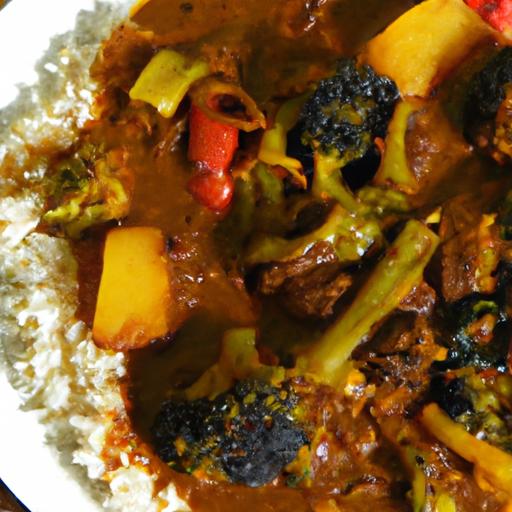




In the heart of Indonesian cuisine lies rendang-a rich, aromatic party of spices, slow-cooked to tender perfection and traditionally enriched with coconut milk and meat. But what if this beloved dish could be reinvented to honour both tradition and plant-based living? Enter the world of plant-powered rendang: a vibrant fusion of bold flavors and wholesome ingredients that captivates the palate without compromise. This article invites you to savor vegan Indonesian recipes that transform rendang from a meaty classic into a soulful, plant-forward feast-proving that the essence of this iconic dish isn’t just in what’s on the plate, but in the passion and heritage it carries. Whether you’re a seasoned vegan, a curious foodie, or an adventurer in the kitchen, get ready to explore rendang like never before, where every bite tells a story of culture, creativity, and compassion.
plant-Powered Rendang is a celebration of tradition and innovation, where the bold, aromatic flavors of classic Indonesian rendang are lovingly recreated through vibrant plant-based ingredients.originating from the Minangkabau culture of West Sumatra, this dish is renowned for its slow-cooked, richly spiced coconut stew traditionally made with beef. My journey discovering the art of vegan rendang began with a desire to honor this iconic dish while embracing compassionate, sustainable cooking. The result is a luscious, hearty stew infused with toasted coconut, fragrant lemongrass, and a complex melange of spices that infuse every bite with the authentic warmth of Indonesia’s culinary soul.
Prep and Cook Time
- Readiness: 20 minutes
- Cooking: 2 hours 30 minutes
- Total Time: 2 hours 50 minutes
Yield
Serves 6 generously
Difficulty Level
Medium – perfect for home cooks eager to master traditional techniques with plant-based creativity.
Ingredients
- 400g young jackfruit (canned in brine, drained and shredded)
- 2 cups thick coconut milk (fresh or canned, well shaken)
- 2 tbsp coconut oil
- 4 shallots, peeled and sliced thin
- 5 cloves garlic, minced
- 2-inch piece galangal, peeled and thinly sliced
- 3 stalks lemongrass, bruised and chopped finely
- 5 dried red chilies, soaked and blended into a paste
- 1 tsp turmeric powder
- 1 tsp ground coriander
- 1 tsp ground cumin
- 1 tsp cinnamon powder
- 1 tbsp tamarind paste
- 2 tbsp palm sugar (or light brown sugar)
- Salt to taste
- 1 cup grated fresh coconut (toasted until golden brown)
- 2 kaffir lime leaves
- 1 cup water or vegetable broth
Instructions
- Prepare the spice paste: In a blender, combine shallots, garlic, soaked dried chilies, galangal, turmeric, coriander, and cumin. Blend until a smooth, fragrant paste forms. Add a splash of water to help blend if necessary.
- Heat coconut oil in a wide, heavy-bottomed pot over medium heat. Add the spice paste and sauté for about 7-10 minutes,stirring occasionally,until the paste darkens and releases its rich aroma.
- Add the lemongrass and cinnamon powder, continue sautéing for another 3 minutes to fully infuse the oil with layers of flavor.
- Introduce the shredded jackfruit to the pot, stirring well so each piece is coated in the spice paste.
- Pour in the thick coconut milk and add kaffir lime leaves and tamarind paste. Stir gently,then bring the mixture to a low simmer.
- Add the toasted grated coconut and palm sugar. Mix well to incorporate the nutty texture that mimics the traditional kerisik used in authentic rendang.
- Simmer uncovered on the lowest heat setting for about 2 hours, stirring every 15 minutes to prevent sticking. Add water or vegetable broth gradually if the mixture thickens too quickly. The goal is a luscious, caramel-colored stew with a reduced, velvety sauce.
- Season with salt to taste towards the end. Remove the lemongrass stalks and kaffir lime leaves before serving.
Tips for Success
- jackfruit texture matters: Use young,green jackfruit canned in brine rather than syrup for that ideal meat-like bite.
- Slow cooking is key: Patience is your greatest ally – the gradual reduction of coconut milk and spices creates the signature deep flavor and tender texture.
- Toasted coconut: Toast your own grated coconut if possible, as it adds rich nuttiness essential to vegan rendang’s complexity.
- Adjust heat: Modify chili quantity to suit your spice tolerance – rendang can be fiery or mild.
- Make-ahead: Rendang tastes even better the next day as the flavors continue to meld. Store in airtight containers in the fridge for up to 4 days or freeze for up to 1 month.
Serving Suggestions
This vibrant plant-powered rendang is best served with steamed jasmine rice or coconut-infused rice for a fragrant complement. Garnish with freshly chopped kaffir lime leaves or crispy shallots for a pop of texture and brightness. For a fresh contrast, a side of lightly pickled cucumbers or sautéed greens balances the richness of the dish beautifully.

| Nutrient | Per Serving |
|---|---|
| Calories | 320 kcal |
| Protein | 7 g |
| Carbohydrates | 18 g |
| Fat | 25 g |
For further inspiration on vegan Indonesian cuisine, explore our vegan Indonesian satay recipes to complement your culinary repertoire. To deepen your understanding of the traditional spices used in rendang, the Encyclopedia Britannica overview of Rendang offers a detailed cultural perspective.
Q&A
Q&A: Plant-Powered Rendang - Vegan Indonesian Recipes to Savor
Q1: What is rendang, and why is it so beloved in Indonesian cuisine?
A: Rendang is a rich, aromatic, and slow-cooked dry curry originating from the Minangkabau ethnic group of West Sumatra, Indonesia. Traditionally made with beef simmered in coconut milk and a complex blend of spices, it’s celebrated for its deep layers of flavor and tender texture. Rendang is more than just a dish-it’s a culinary emblem of Indonesian heritage, often served during festivals and communal gatherings.
Q2: How can we transform this traditionally meat-based dish into a vegan delight without losing its essence?
A: The magic lies in maintaining the bold spice profile and creamy coconut base while replacing beef with plant-powered alternatives like jackfruit, tempeh, or mushrooms. These ingredients absorb the rich, spiced coconut sauce beautifully, delivering that iconic savory depth.Slow-cooking is key to melding flavors and achieving a similar tender texture, turning vegan rendang into an unforgettable feast.
Q3: What are the essential spices that define the authentic rendang flavor in vegan recipes?
A: The spice blend is the heart of rendang’s character. Essential spices include galangal, ginger, turmeric, coriander, lemongrass, garlic, shallots, chili, and kaffir lime leaves. Combined with creamy coconut milk and toasted coconut flakes (serundeng), these ingredients create a fragrance and complexity that make every bite a sensory journey.
Q4: Which plant-based ingredients work best as the “meat” in vegan rendang?
A: Young green jackfruit is a superstar because of its fibrous texture that mimics shredded meat perfectly.Tempeh offers a nutty, firm bite, absorbing spices well, while hearty mushrooms like king oyster or shiitake add umami richness. Some cooks also experiment with fried tofu or seitan for added variety.
Q5: Any tips for making the vegan rendang authentically flavorful and satisfying?
A: Patience is a virtue! Slow simmer the rendang,allowing the sauce to reduce and intensify. Toast your spices lightly before grinding to amplify their aroma. Don’t shy away from adding a splash of tamarind or kaffir lime juice at the end to add brightness. And remember, the coconut milk should not just flavor the dish but create a luscious, creamy texture.
Q6: How versatile is plant-powered rendang in modern cuisine?
A: Exceptionally versatile! Beyond the traditional rice plate, vegan rendang can be served with noodles, stuffed into wraps, topped on baked potatoes, or even transformed into a flavorsome filling for vegan pies. Its robust flavors meld well into fusion dishes, making it a creative canvas for chefs and home cooks alike.
Q7: Why is embracing vegan rendang an exciting culinary journey?
A: It’s a delicious way to honor Indonesia’s rich gastronomic traditions while embracing plant-based sustainability. Vegan rendang invites cooks to explore exotic spices, experiment with textures, and create a culturally authentic yet healthful dish. It’s a bridge between heritage and innovation, proving that plant-powered meals can be just as soul-satisfying as their meat counterparts.
—
Whether you’re a seasoned vegan or a curious foodie, plant-powered rendang offers a savory, spice-kissed gateway to Indonesia’s vibrant flavors-a dish to savor, share, and celebrate.
Insights and conclusions
As the rich aromas of turmeric, lemongrass, and toasted coconut linger in your kitchen, your plant-powered rendang stands as a vibrant testament to the magic of Indonesian cuisine reimagined. this vegan take not only honors centuries-old traditions but also invites a fresh, compassionate chapter into the story of rendang. Whether you’re a seasoned vegan or simply curious to explore, these recipes open the door to savoring bold flavors that nourish both body and soul-proving that authentic taste need not come at the expense of the planet. So gather your spices, embrace the slow-cooked love, and let every bite transport you to the heart of Indonesia, where plant-based rendang reigns supreme.