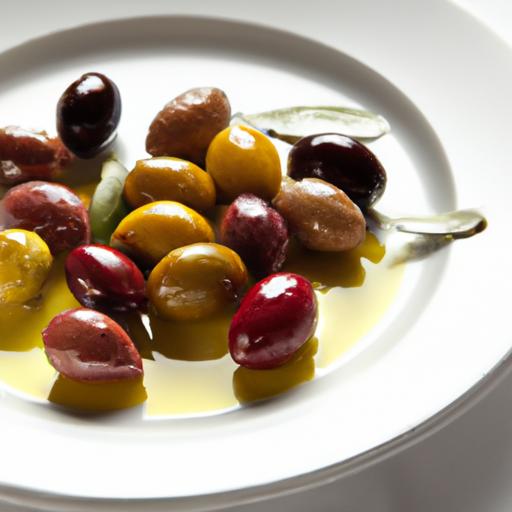



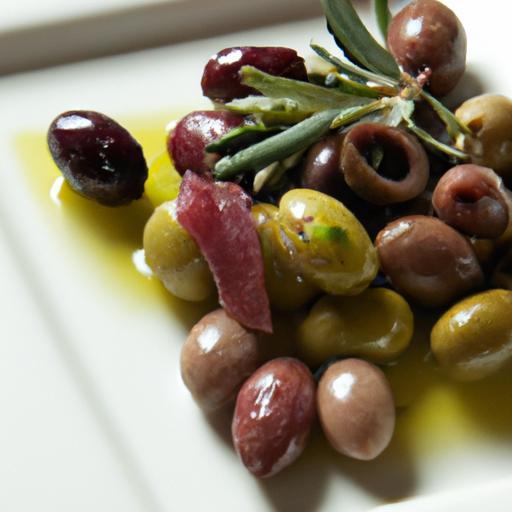
Beneath the gnarled branches of ancient olive trees lies a world of rich history, vibrant culture, adn irresistible taste. Olives, those small but mighty fruits, have journeyed through time as symbols of peace, prosperity, and vitality. More than just a simple snack or a garnish, olives are nature’s tiny powerhouses of flavor-bursting with complexity, nutrition, and culinary magic. In this article, we’ll peel back the layers of these remarkable gems, exploring their origins, varieties, and the secrets that make olives an enduring staple on tables around the globe. Prepare to discover how these humble fruits pack a punch far beyond their size,transforming everyday dishes into unforgettable experiences.
Olives Unveiled: Nature’s Tiny Powerhouses of flavor have traveled through centuries to become one of the most cherished staples in kitchens around the world. From ancient Mediterranean groves to modern gourmet plates,their story is as rich and diverse as their taste. Cultivated for over 6,000 years, olives carry the essence of sun-soaked lands and timeless traditions, offering not only a unique culinary experience but a remarkable connection to history and culture.
Prep and Cook Time
- Prep Time: 10 minutes
- Cook Time: 15 minutes
- Total Time: 25 minutes
Yield
Serves 4 as a flavorful appetizer or side dish
Difficulty Level
Easy
Ingredients
- 1 cup mixed olives (Kalamata, Castelvetrano, and Picholine, pitted)
- 2 tbsp extra virgin olive oil
- 1 garlic clove, minced
- 1 tsp fresh rosemary, chopped
- 1/2 tsp crushed red pepper flakes
- 1 tbsp fresh lemon juice
- Freshly ground black pepper, to taste
- sea salt, to taste
- 2 tbsp toasted pine nuts (optional)
- Fresh parsley, finely chopped (for garnish)
Instructions
- Rinse the olives gently under cold water to remove any brine excess, then pat dry with a clean kitchen towel.
- Heat the olive oil in a medium skillet over medium heat. Add the minced garlic and sauté for about 1 minute, until fragrant but not browned.
- Add the olives to the skillet along with fresh rosemary and crushed red pepper flakes. sauté,stirring occasionally,for 5 minutes until the olives are warmed through and slightly blistered,releasing their robust flavors.
- Remove from heat and stir in the fresh lemon juice, sea salt, and black pepper to balance the bold olive tones and enhance brightness.
- Transfer olives to a serving bowl and sprinkle toasted pine nuts on top for added texture and nuttiness, if desired.
- Garnish liberally with fresh parsley and serve warm or at room temperature alongside crusty bread or as a complement to grilled dishes.
Chef’s Notes
- Olive varieties: Experiment with different olive types to uncover new flavor dimensions – Kalamata for a robust, fruity punch; Castelvetrano for buttery sweetness; and Picholine for crisp, slightly tart notes.
- Make-Ahead Tip: Prepare olives a day in advance and refrigerate in an airtight container to let flavors meld beautifully.
- Substitution: Replace pine nuts with chopped walnuts or almonds for a different crunch profile.
- Balancing Bitterness: If olives are too briny or bitter, a splash of quality honey or a pinch of sugar can soften the edge without compromising authenticity.
Serving Suggestions
This vibrant olive medley pairs exquisitely with a chilled glass of crisp white wine such as Sauvignon Blanc. Serve atop toasted baguette slices for an elegant bruschetta or alongside grilled fish or roasted vegetables for an added burst of umami. For a Mediterranean-inspired feast, include alongside hummus, roasted peppers, and creamy feta.Garnish with lemon zest and fresh herbs for a stunning presentation that reflects the complexity and beauty of olives.

Exploring Olive Nutrition
| Nutrient | Per 100g |
|---|---|
| Calories | 145 kcal |
| Protein | 1.0 g |
| Carbohydrates | 3.8 g |
| Fat | 15.3 g (mostly monounsaturated) |
| Fiber | 3.3 g |
| Vitamin E | 3.81 mg |
Additional Insights into Olives Unveiled
When selecting olives, choose firm fruit with a vibrant color that corresponds to its variety. Avoid shriveled or overly soft olives, as these indicate over-ripeness or poor storage. Store them in airtight containers submerged in their brine or a quality olive oil in the fridge; this preserves their flavor and texture. For a deeper dive into olive varieties and their culinary uses, be sure to check out our Mediterranean Olive Varieties Guide and trust reputable sources like the Olive Oil Times Health section for the latest research on their benefits.
Q&A
Q&A: Olives Unveiled – Nature’s Tiny Powerhouses of Flavor
Q1: What makes olives such extraordinary fruits despite their small size?
A1: Olives may be tiny, but they punch well above their weight in flavor and nutrition. Packed with healthy fats, antioxidants, and a complex palette of bitter, fruity, and tangy notes, they are nature’s savory bursts-turning simple dishes into culinary adventures.
Q2: How do olives get their distinctive taste?
A2: The journey from bitter green fruit to flavorful olive is all about nature and nurture. Olives contain oleuropein, a bitter compound that mellows through curing methods like brining or drying-unleashing layers of savory, fruity, and sometimes smoky flavor profiles that vary by region and variety.Q3: Are all olives the same?
A3: Far from it! Olives come in countless varieties, from the grassy and peppery Arbequina to the rich and buttery Kalamata. each type boasts a unique flavor fingerprint shaped by its terroir-soil, climate, and cultivation-that excites chefs and food lovers alike.
Q4: Why are olives considered a healthy superfood?
A4: Beyond delighting the palate, olives are nutritional dynamos. They’re rich in monounsaturated fats, which promote heart health, plus antioxidants like vitamin E and polyphenols that fight inflammation and support overall wellness-proof that tiny fruits can wield mighty benefits.
Q5: What’s the best way to incorporate olives into your cooking?
A5: Olives are ultraflexible! Toss them in salads for a briny pop, blend them into tapenades or hummus, scatter sliced olives on pizzas, or pair them with cheese and charcuterie for an elegant snack. Their bold flavor enhances both rustic and refined dishes effortlessly.
Q6: Can you eat olives straight from the tree?
A6: That’s a no-go! Fresh olives are intensely bitter and practically inedible without curing. Conventional methods like soaking, fermenting, or curing remove the harshness, transforming them into the delicious, savory treasures we certainly know and love.Q7: How do olives contribute to cultural cuisines around the world?
A7: olives are culinary and cultural icons, especially around the Mediterranean basin. They embody tradition and celebration-featured in everything from Greek mezze platters and Italian antipasti to Spanish tapas and Middle Eastern stews-bringing history and flavor together on every plate.Q8: What’s the future of olives in global food trends?
A8: As food lovers and chefs seek bold, natural flavors and healthful ingredients, olives are rising in popularity. Expect creative uses in plant-based cooking, gourmet snacks, infused oils, and artisanal condiments-proving these tiny fruits will continue to captivate palates worldwide.
Unlock the mystery of olives and let these unassuming gems elevate your culinary repertoire. From their storied past to their vibrant future, olives aren’t just fruit-they’re flavor-packed ambassadors of nature’s finest tastes!
Insights and Conclusions
As we peel back the layers of the humble olive, we discover more than just a fruit – we uncover a centuries-old treasure trove of flavor, nutrition, and cultural heritage. These tiny powerhouses,bursting with complexity and character,remind us that sometimes,the most profound delights come in the smallest packages. Whether drizzled as oil,nestled in a salad,or savored straight from the branch,olives continue to enrich our plates and palates,celebrating nature’s artistry in every bite. So next time you reach for an olive, remember: you’re not just enjoying a snack-you’re tasting a story woven through time, soil, and sun.