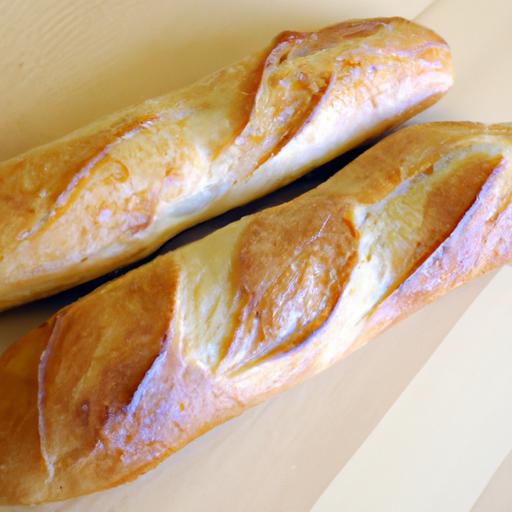



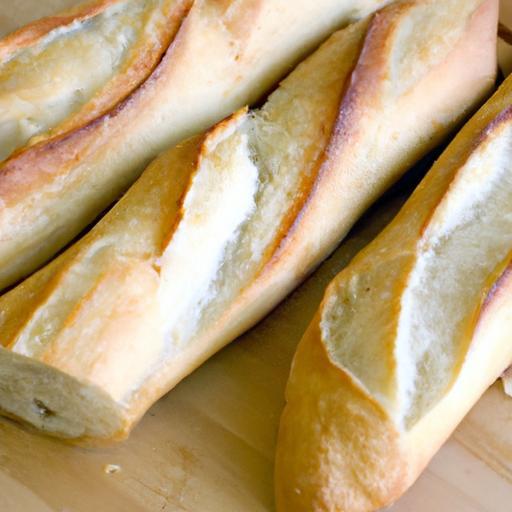
There’s somthing undeniably enchanting about teh humble French baguette-a golden crust that crackles with each bite, a soft, airy crumb that melts in your mouth, and an aroma that whisks you away to a quaint Parisian bakery on a sunlit morning.Mastering the art of classic French baguette baking at home is no mere culinary feat; it’s a journey into tradition, patience, and precision. In this article, we’ll unfold the secrets behind crafting these iconic loaves from scratch, guiding you through each step with clarity and care.Whether you’re a seasoned baker or a curious novice, prepare to transform simple ingredients into a masterpiece of flavor and texture that pays homage to centuries of French baking artistry.
Mastering the Art of Classic French baguette Baking at Home
Mastering the art of classic French baguette baking at home is a rewarding journey, one that transforms simple ingredients into an iconic loaf bursting with flavor and texture. the humble baguette, with its crackling crust and airy crumb, carries centuries of French tradition baked into every bite. From heartfelt afternoons in Parisian boulangeries to the warmth of your own kitchen, this recipe invites you to experience that magic firsthand.
Prep and Cook Time
- Planning: 20 minutes
- Fermentation: 3 to 4 hours (including bulk and proof)
- Baking: 25 minutes
- Total Time: Approximately 4.5 hours
Yield
Generously yields 2 classic French baguettes,each about 14 inches long-perfect for sharing or savoring throughout the week.
Difficulty Level
Intermediate. This recipe gently guides you through foundational techniques essential for authentic results.
Ingredients
- 500g bread flour (preferably a strong bread flour with 12-13% protein, sifted)
- 350ml lukewarm water (about 75°F/24°C)
- 10g fine sea salt
- 5g active dry yeast (or 15g fresh baker’s yeast)
- Optional: 1 tsp malt powder or sugar (for enhanced crust color and flavor)
Instructions
- activate the yeast: In a small bowl, dissolve the yeast in half the lukewarm water. Let it rest for 5 minutes until frothy and bubbly.
- Mix the dough: In a large mixing bowl, combine the bread flour and salt. Create a well in the center and pour in the yeast mixture and remaining water. Stir with a wooden spoon or your hand until a shaggy dough forms.
- Knead gently: Transfer dough to a clean work surface and knead for about 8-10 minutes, folding steadily until smooth and elastic. The dough should be slightly tacky but not sticky.
- First fermentation: Lightly oil a large bowl and place the dough inside. Cover tightly with a clean kitchen towel or plastic wrap. Let it ferment for 2 hours at room temperature until doubled in size.
- stretch and fold: After the first rise, gently deflate the dough and perform a stretch and fold by pulling one side of the dough up and folding it over. Repeat on all sides to build structure.Rest for 45 minutes covered.
- Shape the baguettes: Divide the dough into two equal portions.Shape each into a tight cylinder about 14 inches long, tapering slightly at the ends. use minimal flour to prevent sticking, maintaining surface tension.
- Final proof: Place shaped baguettes on a couche (linen cloth) or parchment paper, cover with a damp towel, and proof for 60-90 minutes until puffy but not doubled.
- Prepare the oven: Preheat your oven to 475°F (245°C) with a baking stone or steel on the middle rack. Place a shallow pan on the bottom rack for steam infusion.
- Score the baguettes: Using a sharp razor or lame, make 3 to 4 diagonal slashes about 1/4-inch deep along each loaf’s surface at a slight angle. This guides the expansion and creates the classic look.
- Bake with steam: Transfer baguettes carefully to the hot stone using a peel or inverted tray. Immediatly pour 1 cup boiling water into the bottom pan to create steam, then quickly close the oven door.
- Bake and finish: Bake for 20-25 minutes until golden brown with a deeply crisp crust. For an even crunchier exterior, remove the steam pan after 10 minutes and slightly crack the oven door.
- Cool properly: Let baguettes cool fully on a wire rack before slicing to preserve the crumb structure and crispness.
Tips for Success
- Use bread flour for the right gluten progress; all-purpose flour will yield a denser crumb.
- Hydration level (70%) is key for that airy texture but can vary with flour type-adjust as needed.
- Do not skip the stretch-and-fold step; it strengthens your dough’s gluten web for ideal chewiness.
- Scoring at a 45-degree angle creates the iconic “ears” on your baguette-practice makes perfect.
- Invest in a baking stone or steel and use steam to replicate the professional oven environment.
- Make ahead: shaped baguettes can be refrigerated overnight and baked fresh in the morning-just allow an extra 20 minutes of bake time.
- Troubleshooting: If crust is too tough, reduce baking time slightly; if too pale, add a pinch of malt or sugar next batch to enhance caramelization.
Serving Suggestions
Enjoy your baguette fresh with creamy butter and a sprinkle of sea salt, or slice thickly for hearty sandwiches filled with ham, cheese, and Dijon mustard. It also pairs beautifully with a classic French cheese board featuring Brie, Camembert, and Roquefort, alongside fresh grapes or cherry tomatoes.For a rustic brunch, toast slices and top with avocado, poached eggs, and a flicker of cracked pepper.

| nutrition per Baguette | Amount |
|---|---|
| Calories | 280 kcal |
| Protein | 9g |
| Carbohydrates | 55g |
| Fat | 1g |
For more on perfect dough fermentation and tips for French breads, check out our bread fermentation techniques guide. To deepen your understanding of yeast science, visit King Arthur Baking’s yeast guide.
Q&A
Q&A: Mastering the Art of Classic French Baguette Baking at Home
Q1: Why is the French baguette considered a baking masterpiece?
A: The French baguette isn’t just bread-it’s a symbol of tradition, culture, and craftsmanship. Its crisp golden crust,light airy crumb,and delicate balance of flavor require patience and precision,making it a true test of a baker’s skill. Mastering it brings both satisfaction and a slice of French heritage to your kitchen.
Q2: What are the essential ingredients for a classic French baguette?
A: Simplicity is key. A classic baguette calls for only four ingredients: high-quality bread flour, water, salt, and a natural leavening agent like a sourdough starter or commercial yeast. The magic lies not in complexity, but in how these ingredients interact through fermentation and baking.
Q3: How importent is the fermentation process?
A: Fermentation is the heart of flavor development and texture. Slow, cold fermentation allows the dough to develop complex aromas and a subtle tanginess while creating the perfect open crumb structure. Skipping or rushing this step can lead to dense, flavorless bread.Q4: Can I bake a baguette without a professional oven or steam injection?
A: Absolutely! While professional ovens help, a home oven can deliver stunning results with some clever tricks. A hot preheated oven, a baking stone or steel, and creating steam by placing a pan of water or spraying the dough during the first minutes of baking mimics the bakery conditions critical for that crispy crust.
Q5: What’s the secret to shaping the perfect baguette?
A: Shaping is an art form that balances tension and delicacy.Gently degas the dough, then roll and stretch it into that iconic slender shape, maintaining even thickness. Proper shaping ensures even rise,beautiful oven spring,and that signature baguette silhouette.
Q6: How do I know when my baguette is perfectly baked?
A: Look and listen! A perfect baguette has a deep golden-brown crust with blistered, crackly texture. Tap the bottom-it should sound hollow, indicating a fully baked interior. The aroma should be nutty and inviting-your taste buds will know it’s time.
Q7: What common mistakes should I avoid as a home baker?
A: Overkneading, rushing fermentation, under-proofing, or skipping steam can all sabotage your baguette. Also, don’t be discouraged by imperfect ovens or uneven loaves-the journey is part of the art. Patience and practice transform every loaf into a masterpiece.
Q8: how can I personalize my home-baked baguette while honoring tradition?
A: Once you’ve mastered the classic process, feel free to experiment subtly-try different flours, incorporate seeds, or adjust hydration for your preferred crumb. The essence of the baguette lies in honoring its roots while expressing your own baking voice.
Q9: What’s the best way to store a baguette to keep it fresh?
A: Baguettes are meant to be enjoyed fresh. Keep them in a paper bag at room temperature to preserve crust crispness for a few hours. For longer storage, slice and freeze the baguette, then toast slices to revive the texture and flavor.
Q10: Where can I find inspiration and guidance to further hone my baguette baking skills?
A: dive into classic French baking books, watch artisan bakers online, and join baking communities where tips and experiences flourish. The path to mastery is paved with shared knowledge and, of course, many delicious loaves!
The Way forward
As the last golden crust crackles beneath your fingertips and the fragrant aroma of freshly baked baguette fills your kitchen, you’ll know that mastering the art of classic French baguette baking is more than just a culinary achievement-it’s a timeless ritual. With patience,practice,and a sprinkle of passion,each loaf becomes a delicious testament to tradition and craft. So, whether you’re slicing it for breakfast or sharing it at dinner, your homemade baguette carries with it the essence of France’s rich baking heritage-right from your own oven.Keep kneading, keep learning, and most importantly, keep savoring every warm, crusty bite. bon appétit!