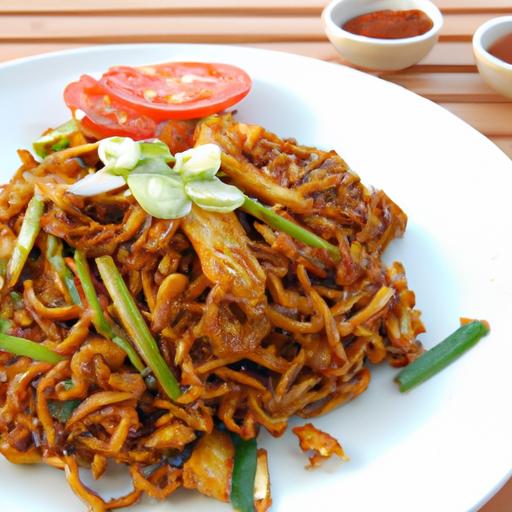


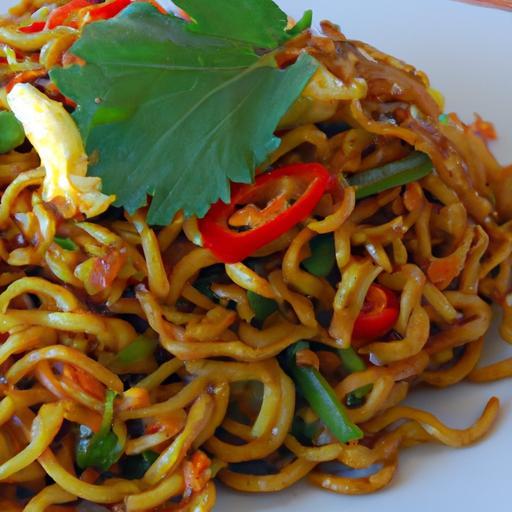
In the vibrant tapestry of Indonesian cuisine, few dishes capture the heart and palate quite like Mie Goreng. This beloved stir-fried noodle delicacy, bursting with layers of sweet, savory, and smoky flavors, tells a story of rich cultural heritage and culinary artistry. But mastering authentic Mie Goreng goes beyond tossing noodles in a pan; it’s about unlocking the secrets behind its perfectly balanced ingredients, customary techniques, and regional variations that have stood the test of time. Join us as we unveil authentic recipes and insider tips that will transform your kitchen into a gateway to Indonesia’s aromatic street food scene-one flavorful bite at a time.
Mastering Indonesian Mie Goreng unlocks a vibrant world of bold flavors, sizzling textures, and aromatic spices that define this beloved street food classic. Originating from the bustling food stalls of Indonesia, mie goreng – meaning “fried noodles” – harmonizes simple yet potent ingredients into a dish that dances on the palate. my personal journey with mie goreng began in a small Jakarta market,where the smoky wok heat,sweet soy glaze,and tender noodles captivated me instantly. Today, I’ll guide you through the core elements, techniques, and inspirations that bring this dish alive, empowering you to create authentic mie goreng that sings with every bite.
Prep and Cook Time
- Prep Time: 15 minutes
- Cook Time: 10 minutes
- Total Time: 25 minutes
Yield
Serves 4 generous portions
Difficulty Level
Medium – Ideal for cooks familiar with stir-frying and pleasant balancing bold flavors
Ingredients
- 300g fresh yellow egg noodles or substitute with dried noodles, cooked and drained
- 2 tablespoons kecap manis (Indonesian sweet soy sauce)
- 1 tablespoon soy sauce, light
- 2 cloves garlic, finely minced
- 2 shallots, thinly sliced
- 1 red chili, deseeded and finely chopped (optional, adjust for heat)
- 150g chicken breast or firm tofu, cut into bite-sized pieces
- 1 large egg, lightly beaten
- 100g shrimp, peeled and deveined (optional)
- 1 cup bean sprouts, washed and drained
- 3 spring onions, sliced on the bias
- 2 tablespoons vegetable oil (or peanut oil for extra flavor)
- 1/2 teaspoon ground white pepper
- Salt to taste
- Lime wedges, for serving
- Fried shallots, for garnish
Instructions
- Prepare the noodles: If using dried noodles, cook them according to package instructions until just al dente, then drain and toss with a teaspoon of oil to prevent sticking.Fresh noodles do not require cooking beforehand.
- Marinate protein: Toss chicken (and shrimp, if using) with a pinch of salt and white pepper. Set aside.
- heat the wok: Place a wok or large skillet over high heat. Add 1 tablespoon vegetable oil and swirl to coat. Once smoking hot, add the minced garlic, shallots, and chili. Sauté until fragrant and slightly golden, about 1-2 minutes.
- Cook protein: Add the chicken and shrimp. Stir-fry until cooked through, about 3-4 minutes, stirring constantly to ensure even cooking and prevent burning.
- Push ingredients aside: create space in the center of the wok and pour in the beaten egg. Let it sit for a few seconds, then scramble gently until just set.
- Add noodles and sauces: Add the noodles, 2 tablespoons kecap manis, and 1 tablespoon soy sauce. Toss everything energetically with tongs or chopsticks to coat the noodles evenly. Stir-fry for 3-4 minutes, allowing slight charring edges to develop for that signature smoky wok hei.
- Incorporate vegetables: Toss in bean sprouts and spring onions.Stir-fry for an additional 1-2 minutes,preserving the crisp texture of the sprouts and freshness of the scallions.
- Adjust seasoning: Taste and add salt or extra soy sauce if needed. Remove from heat.
- Serve promptly: Plate the mie goreng and garnish with fried shallots and lime wedges.A final squeeze of lime brightens the dish like sunshine on a plate.
Tips for Success: Techniques and Ingredient Insights
- choose the right noodles: Traditional yellow egg noodles bring authenticity, but fresh or dried wheat noodles work well. Avoid rice noodles which can be too fragile for high-heat stir-frying.
- Master the wok hei: Achieving “wok hei” or “breath of the wok” flavor requires a well-heated wok and speedy, energetic tossing. Use a high smoke point oil and keep ingredients moving to avoid steaming.
- Kecap manis is your secret weapon: This thick, molasses-like sweet soy sauce is essential for authentic flavor. For a homemade substitute, blend regular soy sauce with brown sugar and a touch of molasses.
- Add protein variety: Experiment with shrimp, chicken, tofu, or beef to suit your preferences, ensuring each component is cut small for quick cooking.
- Don’t overcook vegetables: Bean sprouts and scallions should remain crisp and bright to balance the tender noodles and savory sauce.
- Optional aromatics: Add a small spoon of sambal oelek or grated fresh ginger for an extra kick depending on your heat tolerance.
Exploring Regional Variations and Unique Flavor Twists
While the recipe above reflects a classic Jakarta-style mie goreng, Indonesia’s diverse islands offer interesting variations. in Semarang,mie goreng often includes cabbage and a sweeter seasoning profile,while Medan introduces peanut elements and richer spice blends. Some coastal regions add fresh seafood or even use a fried egg on top for extra indulgence. Feel free to personalize your mie goreng by introducing local herbs like kaffir lime leaves or tossing in crispy fried shallots for texture contrast. Every bowl tells a story.
Serving Suggestions to Elevate Your Dish
Mie goreng shines when served vibrant and fresh. Pair with a side of Indonesian pickles (acar) for tangy brightness or a crisp cucumber salad to cut through the richness. Fresh lime wedges and extra sambal give diners control over the heat and acidity. A sprinkle of fried shallots not only adds crunch but also a fragrant,caramelized aroma that rounds out each mouthful. For a true street-food experiance, serve with kerupuk (Indonesian prawn crackers) that delight with their airy crispiness.
| Nutritional Info (per serving) | Calories | Protein (g) | Carbs (g) | Fat (g) |
|---|---|---|---|---|
| Approximate values | 420 | 28 | 50 | 12 |

For deeper insights and recipes on authentic Indonesian cuisine, explore our complete Indonesian recipe collection. Additionally, to appreciate the cultural roots of mie goreng, visit the Britannica’s Indonesian cuisine overview.
Q&A
Q&A: Mastering Indonesian Mie Goreng - Authentic Recipes Unveiled
Q1: What makes Indonesian Mie Goreng stand out from other fried noodle dishes?
A1: Indonesian Mie Goreng is a symphony of sweet, savory, and smoky flavors harmonized in one wok. Unlike typical fried noodles, it blends kecap manis (sweet soy sauce), aromatic garlic, chili, and a medley of fresh veggies or proteins. The secret lies in its balance-caramelized sweetness paired with a hint of spice and umami that dances on your palate.
Q2: what are the essential ingredients for authentic Mie Goreng?
A2: At the heart of Mie Goreng are yellow egg noodles, kecap manis, shallots, garlic, and a touch of chili. Additions like shrimp, chicken, or tofu elevate the dish, while a fry-up with eggs and crunchy vegetables like cabbage or bean sprouts completes the texture.Don’t forget a final splash of lime or a fried egg on top for an authentic finish!
Q3: How do I achieve the perfect wok hei (wok breath) in my home kitchen?
A3: Wok hei is that elusive smoky char that gives Mie goreng its soul. To capture it, use a very hot wok or skillet, add oil just before the ingredients, and stir-fry quickly over high heat. Avoid overcrowding the pan-work in batches if needed. The rapid cooking over intense heat caramelizes the soy and sears ingredients, mimicking that street-side magic.
Q4: Can I make Mie Goreng spicy or mild?
A4: Absolutely! Indonesian cuisine is beautifully flexible. To kick up the heat, add sambal oelek or chopped fresh chilies during cooking. For a milder version,reduce or omit the chili and balance with a bit more kecap manis. The key is layering flavors so the spice complements rather than overwhelms.
Q5: Is it possible to make a vegetarian or vegan Mie Goreng without losing authenticity?
A5: Definitely.Swap animal proteins for tempeh or firm tofu, and use vegetable broth or water rather of meat stock.Ensure your kecap manis is vegan-amiable (some brands add shrimp or fish extracts). With fresh veggies, the savory-sweet depth remains intact-authentic tastes, plant-powered style.
Q6: What are common mistakes to avoid when making Mie Goreng at home?
A6: Common pitfalls include overcooking the noodles until mushy, using low heat (which kills wok hei), and adding too much sauce that drowns the dish. Also, skip the urge to stir constantly-let ingredients sit briefly to char slightly, building layers of flavor. remember,mie Goreng thrives on texture as much as taste.
Q7: Can Mie Goreng be prepared ahead of time for meal prep?
A7: You can prep components like chopping veggies and cooking proteins in advance. However, to keep noodles from turning soggy, it’s best to stir-fry them last-minute. For meal prep, store noodles and sauce separately and reheat quickly in a hot pan, tossing with previously cooked ingredients to revive that fresh-from-the-wok vibe.
Q8: Where does Mie Goreng fit in Indonesian culture and daily life?
A8: Mie Goreng is an everyday hero in Indonesia-from humble street stalls to family dinners. it symbolizes comfort, convenience, and communal joy, often enjoyed with friends or as a late-night snack. Mastering it connects you not only to flavors but to vibrant Indonesian culture, where food tells stories of tradition and innovation.
Crack the code of Mie Goreng with these insights, and soon you’ll bring an authentic, flavorful taste of Indonesia straight to your plate!
To Wrap It Up
As the fragrant aroma of sizzling shallots and sweet soy sauce lingers in your kitchen, mastering Indonesian Mie Goreng becomes more than just a culinary achievement-it’s a flavorful journey into the heart of Indonesia’s vibrant street food culture. By embracing authentic recipes and understanding the delicate balance of spices, sauces, and textures, you’ve unlocked the secrets behind this beloved dish. Whether served as a quick weeknight meal or a festive feast, your newfound mastery invites you to share the rich heritage of Mie Goreng with family and friends. So, roll up your sleeves, fire up the wok, and let each stir-fry be a celebration of tradition, taste, and the irresistible joy of authentic Indonesian cuisine.