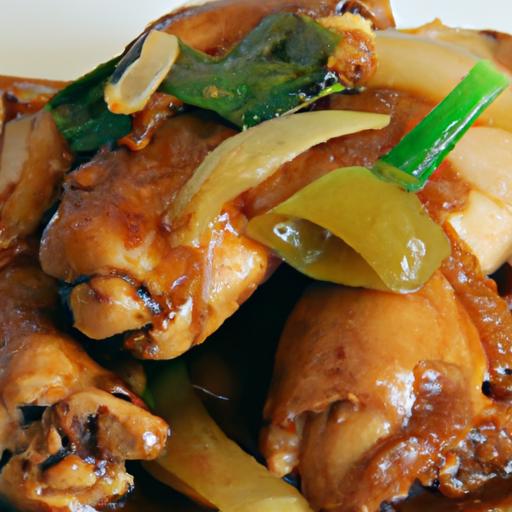



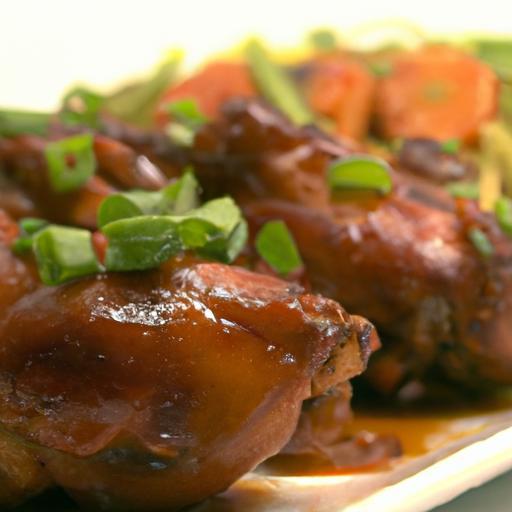
In the vibrant tapestry of Filipino cuisine, few dishes capture the heart and soul of the islands quite like Chicken Adobo. This beloved stew, with its tantalizing blend of tangy vinegar, savory soy sauce, and aromatic garlic, is more than just a meal-it’s a culinary story passed down thru generations. Mastering authentic Filipino Chicken Adobo is both an art and a celebration of heritage, inviting home cooks to unlock layers of flavour that are as rich in history as they are in taste.In this step-by-step guide, we’ll journey through the essential techniques and secret touches that transform simple ingredients into a dish bursting with tradition and warmth. Get ready to bring a true taste of the Philippines to your kitchen, one perfectly simmered bite at a time.
Mastering Authentic Filipino Chicken Adobo unlocks a culinary treasure rooted in centuries of Filipino heritage, blending bold flavors in a harmonious dance of tangy, savory, and subtly sweet notes. This beloved national dish is more than just a meal-it’s a comforting embrace of tradition,family stories,and the artistry of balance. From the sharp tang of vinegar to the earthy depth of soy sauce, each ingredient plays a vital role in crafting the unforgettable essence of adobo. Whether you’re new to Filipino cuisine or seeking to perfect this iconic dish, understanding these core flavors and techniques will inspire your kitchen confidence and elevate your cooking to an authentic experience.
Prep and cook Time
- Preparation: 15 minutes
- Marinating: 1 hour (recommended for optimal flavor)
- Cooking: 40 minutes
- Total Time: Approximately 2 hours (including marinating)
Yield
Serves 4 hearty portions
Difficulty Level
Medium – perfect for home cooks looking to deepen their flavor mastery
Ingredients
- 2 lbs bone-in, skin-on chicken thighs (for juicy, flavorful meat)
- 3/4 cup soy sauce (use Filipino-style soy sauce for authenticity)
- 1/2 cup cane vinegar (or white distilled vinegar as a substitute)
- 6 cloves garlic, peeled and crushed
- 2 bay leaves (dried)
- 1 tsp whole black peppercorns
- 1 tbsp brown sugar (balances acidity with a gentle sweetness)
- 1 medium onion, sliced thinly
- 1 cup water (adjust for preferred sauce consistency)
- 2 tbsp cooking oil (for browning)
- Optional: 1-2 dried chili peppers for a subtle heat
Instructions
- Marinate the Chicken: In a large bowl, combine soy sauce, vinegar, crushed garlic, bay leaves, peppercorns, and brown sugar.Add the chicken thighs, turning to coat evenly. Cover and refrigerate for at least 1 hour to allow flavors to meld deeply.
- Prepare the Aromatics: While marinating, slice your onion thinly and set aside. This will add a sweet, fragrant contrast to the dish.
- Browning the Chicken: Remove the chicken from the marinade, reserving the liquid. Heat oil in a heavy-bottomed pan over medium heat. Sear the chicken thighs skin-side down until golden brown and crisp, about 5 minutes each side. This step seals in juices and builds savory umami richness.
- Sauté the Onion and Garlic: Remove the chicken and set aside. In the same pan, add sliced onion and sauté until translucent and soft, about 4 minutes. Stir occasionally to avoid burning and release the aromatic sweetness.
- Simmer in the Marinade: return the chicken to the pan.pour in the reserved marinade and 1 cup water. Bring to a gentle boil, then reduce heat to low. Cover and simmer for 30 minutes, turning the chicken halfway through to ensure even cooking and flavor absorption.
- adjust the Sauce: After simmering, remove the lid and continue cooking uncovered for an additional 10 minutes or until the sauce thickens slightly. Test the sauce for balance-adjust with a teaspoon of sugar for extra sweetness or a splash of vinegar for more tang if desired.
- Final Touch: For textural contrast, you can briefly broil the cooked chicken under a hot grill to crisp the skin further, or sprinkle with freshly cracked pepper and chopped scallions for brightness.
Tips for Success
- Marinate longer: For the deepest flavor, marinate overnight. The chicken soaks up the marinade’s tang and umami, making every bite succulent.
- Vinegar choice matters: filipino cane vinegar offers a smoother, less acidic tang than generic white vinegar – but either works well depending on availability.
- Use bone-in chicken: It adds richness and moisture, preventing drying out during simmering.
- Don’t rush the simmer: Slow and low cooking coax out tender textures and allow flavors to meld beautifully.
- Customize sweetness and piquancy: Adjust sugar and vinegar in small increments, tasting as you go to suit your preference.
- Make-ahead friendly: Adobo tastes even better the next day, so double the batch and refrigerate leftovers.
Serving suggestions
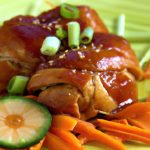
Serve this classic chicken adobo over steamed jasmine or jasmine pandan rice to soak up the luscious sauce. Garnish with fresh chopped green onions or crispy fried garlic to add crunch and vibrancy. A side of pickled vegetables (atchara) or fresh cucumber slices provides a refreshing counterbalance to the rich, savory flavors.Pair with a simple Filipino-style sour soup for a complete, comforting meal.

| Nutrient | Per Serving |
|---|---|
| Calories | 350 kcal |
| Protein | 28 g |
| Carbohydrates | 8 g |
| Fat | 20 g |
For an in-depth understanding of Filipino ingredients, visit the Food Diplomacy Institute’s guide.
Q&A
Q&A: Mastering Authentic Filipino Chicken Adobo - A Step-by-Step Guide
Q1: What makes Filipino chicken adobo truly authentic?
A1: Authentic Filipino Chicken Adobo is all about balance – the perfect harmony of tangy vinegar, salty soy sauce, aromatic garlic, and the subtle warmth of black peppercorns. It’s this interplay of bold yet comforting flavors, simmered slowly until the chicken is tender and the sauce thickened to a glossy sheen, that defines true adobo. Unlike some variations,genuine Filipino adobo doesn’t rely on complex ingredients; it celebrates humble pantry staples elevated by tradition and technique.Q2: Why is vinegar so meaningful in Chicken Adobo?
A2: Vinegar is the soul of adobo. It acts as the primary flavor anchor,providing that signature tang that brightens the dish. Beyond taste, vinegar also acts as a natural tenderizer, breaking down the chicken’s fibers for that succulent melt-in-your-mouth texture. The key is using the right amount and type-typically cane or coconut vinegar-to achieve the authentic zing without overpowering the savory depth.
Q3: Can I use other meats besides chicken?
A3: Absolutely! While chicken adobo is the most popular, pork adobo is equally beloved, and some adventurous cooks even combine both for a duo of flavors. Each protein brings a unique character: chicken offers a lighter, quicker-cooking profile, while pork delivers a richer, heartier bite. Irrespective of the meat choice, the cooking method and seasonings remain consistent, preserving the integrity of the dish.
Q4: How long should I marinate the chicken before cooking?
A4: Marinating is optional but highly recommended. For best results, marinate the chicken in soy sauce, vinegar, garlic, and spices for at least 30 minutes to 1 hour. This step infuses the meat with the foundational adobo flavors and helps tenderize it. Though, some traditional cooks start cooking instantly, relying on the slow simmer to gradually absorb the marinade’s essence.
Q5: What’s the secret to achieving a perfectly thick and flavorful sauce?
A5: The magic lies in simmering patiently. After sautéing the garlic and browning the chicken, you combine all ingredients and let it cook uncovered on low heat. This slow reduction concentrates the flavors and thickens the sauce naturally. Resist the urge to rush or add thickening agents. The sauce should coat the chicken lightly, glistening with a balance of richness and tang.
Q6: Should I add sugar or other ingredients not mentioned in traditional recipes?
A6: Traditional Filipino adobo is a study in simplicity. While some home cooks add a pinch of sugar, coconut milk, or even potatoes to customize the dish regionally or personally, purists stick to vinegar, soy sauce, garlic, bay leaves, and black peppercorns. Sweeteners can mellow the vinegar’s acidity but beware of diluting the classic tang that defines authentic adobo.Q7: What’s the best way to serve Chicken Adobo?
A7: chicken Adobo shines as a centerpiece over steaming white rice, soaking up the rich sauce with each bite. For a true Filipino experience, pair it with pickled vegetables (atchara) or fresh tomatoes to contrast the dish’s robust flavors. Leftovers, famously, taste even better the next day as the flavors deepen-making adobo a dish that keeps on giving.
Q8: Can I freeze leftover adobo?
A8: Definitely! Chicken adobo freezes beautifully and retains its flavor and texture well. Store leftovers in an airtight container and freeze for up to three months. When reheating, do so gently on the stove or in the microwave, adding a splash of water if needed to loosen the sauce.
With this Q&A in hand, you’re ready to embark on your adobo adventure-crafting a dish that’s not just food but a warm, aromatic embrace from Filipino heritage. Happy cooking!
To Conclude
As you’ve journeyed through the rich aromas and time-honored techniques of mastering authentic Filipino chicken adobo, you now hold more than just a recipe-you possess a flavorful key to a beloved cultural heritage. With each simmering pot and carefully balanced splash of vinegar and soy,you’re not only creating a dish but also breathing life into stories passed down through generations. So, whether you’re serving it for a family feast or a quiet weeknight meal, remember that true mastery lies not just in following the steps, but in savoring the soul of adobo in every bite. Happy cooking, and mabuhay to your culinary adventure!