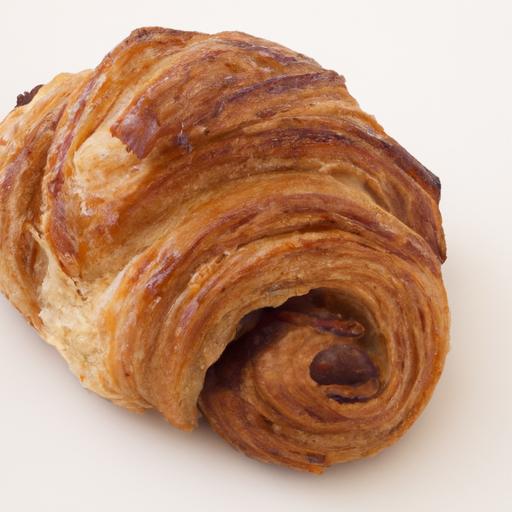



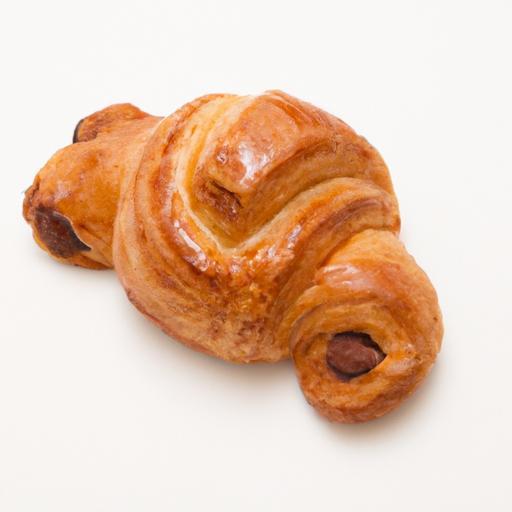
There’s something irresistibly enchanting about the flaky layers and rich, molten chocolate center of a perfectly baked pain au chocolat. This beloved French pastry, a harmonious dance between buttery croissant dough and decadent dark chocolate, has captured the hearts of food lovers around the world. But what if you could bring that Parisian café magic right into your own kitchen? In this guide,we’ll unravel the secrets behind mastering the art of pain au chocolat-from kneading the tender dough to achieving that golden,glossy finish-so you can bake your way to appetizing perfection with every bite. Get ready to embark on a flavorful journey that transforms simple ingredients into an exceptional taste experience.
Master the Art of Pain au Chocolat begins with selecting the finest ingredients, which is the foundation for those irresistibly flaky layers and rich, buttery flavor. This quintessential French pastry calls for precision,patience,and a touch of love to achieve perfection. From the creamy butter’s velvety texture to the delicate folding techniques that create its iconic laminated dough, each step contributes to a sublime balance of crispness and tender crumb, highlighted by luscious dark chocolate nestled inside.
Prep and Cook Time
- Preparation: 4 hours (including chilling and resting time)
- Active Cooking: 25 minutes
- Total Time: approximately 4 hours 25 minutes
Yield
8 perfectly golden, flaky pain au chocolat pastries
Difficulty Level
Intermediate to Advanced: Requires attention to detail and patience for dough lamination
Ingredients
- 2 ½ cups (320g) all-purpose flour, sifted
- 1 tsp fine sea salt
- 2 tbsp granulated sugar
- 1 tbsp active dry yeast
- ¾ cup (180ml) whole milk, lukewarm
- 1 tbsp unsalted butter, melted
- 1 cup (225g) cold unsalted European-style butter, for laminating
- 16 small sticks of high-quality dark chocolate (60-70% cacao)
- 1 egg yolk mixed with 1 tbsp milk (egg wash)
Instructions
- Activate the yeast: In a small bowl, dissolve the yeast and 1 tsp sugar in lukewarm milk. Let it sit for 5-7 minutes untill frothy.
- Prepare the dough: In a large mixing bowl, combine sifted flour, salt, remaining sugar, and melted butter. Pour in the activated yeast mixture and gently mix until a shaggy dough forms.
- Knead and rest: Knead dough on a lightly floured surface for 8-10 minutes until smooth and elastic. Place in a lightly greased bowl, cover, and refrigerate for 30 minutes.
- Prepare the butter block: Lay out the cold butter between two sheets of parchment paper. Using a rolling pin, tap and roll the butter into a square roughly 7×7 inches thick about ¼ inch. Chill if it softens.
- Laminate the dough: Roll the chilled dough into a 10×10 inch square. Place the butter block diagonally in the center of the dough square, folding dough corners over the butter to enclose it completely, forming a neat packet.
- Roll and fold: Roll the dough bundle into a 20×10 inch rectangle carefully without letting the butter break through. Perform a book fold by folding one third of the dough lengthwise, then folding the opposite end over it. Wrap in cling film and chill for 30 minutes.
- Repeat lamination: Repeat the rolling and folding process two more times (for a total of 3 folds), chilling 30 minutes between each to allow the butter to rest and the dough to relax.
- Shape the pain au chocolat: Roll the final dough into a 20×12 inch sheet about ¼ inch thick. Cut into 8 equal rectangles. Place two chocolate sticks near one short edge and tightly roll away from you,sealing edges carefully.
- Proof the pastries: Place rolled pastries on a parchment-lined baking sheet, seam-side down. Cover loosely with plastic wrap and proof at room temperature for 1.5-2 hours until visibly puffed but not overly risen.
- Glaze and bake: Preheat the oven to 375°F (190°C). Brush the pastries gently with egg wash for that golden sheen. Bake for 20-25 minutes until puffed, shiny, and deep golden brown, rotating the tray halfway for even baking.
- Cool and serve: Allow pastries to cool slightly on a rack before serving warm to enjoy the contrast of crisp layers with molten chocolate.
Tips for Success
- Butter Temperature: The key to flaky layers is using cold, but pliable butter. If it becomes too soft while rolling, chill briefly to prevent melting into the dough.
- Proper Laminating: Don’t rush the folds-resting time between folds allows gluten to relax and butter to stay solid which results in distinct, flaky layers.
- chocolate Quality: Invest in high-quality dark chocolate for a rich, balanced flavor that melts perfectly inside each pastry.
- Egg Wash Alternatives: For a shiny finish without eggs, brush with milk or cream, but egg wash offers the best golden gloss.
- make Ahead: Shape and freeze unbaked pain au chocolat on a tray, then transfer to freezer bags. Bake directly from frozen, adding 5-7 minutes to baking time.
Serving Suggestions
Serve your pain au chocolat fresh and warm alongside a strong espresso or a frothy café au lait. For a breakfast feast, accompany with fresh berries and a dusting of powdered sugar or a light drizzle of honey.
For an elegant brunch, plate with a side of whipped cream infused with vanilla or cinnamon for extra indulgence. Garnish with edible flowers or a sprig of fresh mint to elevate presentation.

| Nutritional Value (per serving) | Calories | Protein | Carbs | Fat |
|---|---|---|---|---|
| Pain au Chocolat | 320 kcal | 6 g | 30 g | 18 g |
To deepen your pastry skills, explore our Complete Guide to Classic Croissants, which complements this recipe wonderfully.For scientific insights into lamination, visit King Arthur Baking’s expert guide.
Q&A
Q&A: Master the Art of Pain au Chocolat – A Delicious Recipe Guide
Q1: What exactly is a pain au chocolat?
A1: Pain au chocolat, frequently enough dubbed the chocolate croissant (though technically different), is a classic French pastry consisting of flaky, buttery puff pastry wrapped around rich, dark chocolate. It’s a perfect harmony of crisp exterior and gooey, luscious interior – the ultimate morning indulgence or afternoon delight.
Q2: Is making pain au chocolat at home arduous?
A2: It’s certainly a labor of love! While the process requires patience and some technique, especially with laminating the dough (the folding of butter and dough), the results are incredibly rewarding. With detailed steps and a little practice, anyone can master this pastry and savor bakery-quality results right from their oven.Q3: What kind of chocolate is best to use?
A3: Traditionally, stick to high-quality dark chocolate batons or chocolate sticks designed for baking. Dark chocolate with about 60-70% cocoa content offers the perfect bittersweet balance without overpowering the delicate butteriness of the pastry. Avoid milk chocolate as it tends to melt too quickly and can make the pastry soggy.
Q4: Can pain au chocolat dough be made ahead of time?
A4: Absolutely! The laminated dough benefits from resting periods in the fridge, which not only makes the layers crisper but also develops flavor. you can prepare the dough a day in advance, shape the pastries that evening, and let them proof overnight for baking fresh in the morning. This timing also fits well into a busy schedule.
Q5: What are some tips to get the buttery, flaky texture just right?
A5: Key tips include keeping your butter and dough cold throughout the laminating process, using a rolling pin to evenly fold layers, and gently shaping without squashing the dough.Also, don’t rush the resting stages; patience is critical. baking at a high temperature (around 200°C/400°F) ensures a beautifully puffed and golden crust.
Q6: Can I customize pain au chocolat for different tastes?
A6: Definitely! While the classic recipe is timeless, you can experiment by adding hazelnut spread inside, a sprinkle of sea salt on top, or even almond flakes for extra crunch. Some adventurous bakers swap dark chocolate for white chocolate or add a dash of orange zest to brighten the flavor profile.
Q7: What are some common mistakes to avoid?
A7: Overworking the dough or letting it become too warm can cause the butter to melt prematurely, resulting in less flakiness.Another common pitfall is not rolling the dough evenly, which can lead to uneven layers and inconsistent rising. Lastly, under- or over-proofing can affect texture-aim for a gentle rise where the dough feels soft and pillowy before baking.
Q8: How should pain au chocolat be served?
A8: Best enjoyed warm, fresh from the oven when the chocolate is still melting inside. Pair it with a cup of café au lait or a robust espresso to complement the rich flavors. For a decadent brunch, serve alongside fresh fruit and a dollop of crème fraîche or mascarpone cheese.
Embrace the magic of French patisserie with this delightful recipe guide. Mastering pain au chocolat not only sharpens your baking skills but also fills your kitchen with irresistible aromas that promise joy in every bite!
in Conclusion
As you close this chapter on mastering the art of pain au chocolat, remember that the journey from simple ingredients to flaky, buttery layers filled with rich chocolate is as rewarding as the delicious result itself. With patience, practice, and a pinch of passion, you can transform your kitchen into a parisian patisserie and delight in a timeless pastry that speaks to both tradition and creativity. So grab your rolling pin, embrace the dough’s rhythm, and let each golden, chocolate-kissed bite be a testament to your newly honed craft-and a sweet invitation to bake again and again. Bon appétit!