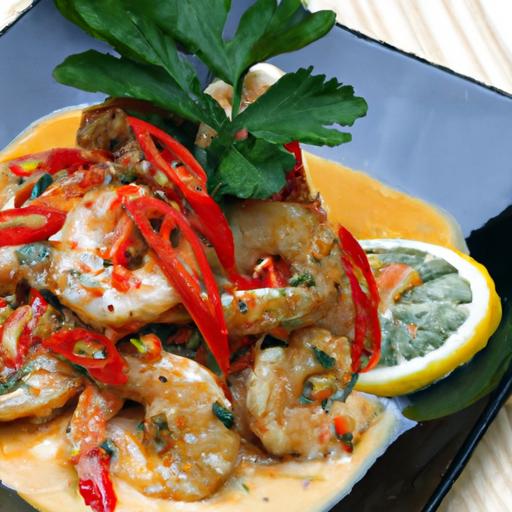



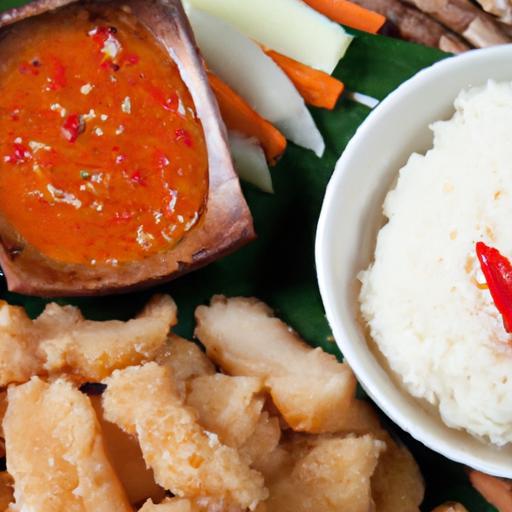
Bursting with bold spices,vibrant colors,and mouthwatering aromas,Indonesian street food is a tantalizing journey for the senses. From bustling night markets to humble roadside stalls, these flavorful bites tell stories of rich cultural traditions and generations-old recipes. In this article, we invite you to savor the flavors of Indonesia’s top street food favorites-dishes that capture the heart and soul of the archipelago in every tasty mouthful. Weather you’re a curious traveler or a passionate foodie, get ready to discover the irresistible tastes that make Indonesian street cuisine an unforgettable culinary adventure.
Savor the Flavors: Top indonesian Street Food Favorites introduces you to the vibrant tapestry of tastes that have been cultivated for centuries across Indonesia’s diverse islands. Among these culinary gems,Martabak Manis,a beloved sweet pancake,stands out not only for its irresistible texture but also for the rich heritage that flavors each bite. Whether found sizzling on the streets of Jakarta or savored in the markets of Medan, this iconic treat showcases bold ingredients like sweetened condensed milk, crunchy peanuts, and melted chocolate, delivering a harmony of contrasts that embody the essence of Indonesian street cuisine.
Prep and Cook Time
- Preparation: 15 minutes
- Cooking: 25 minutes
- Total: 40 minutes
Yield
- Serves 4-6 people
Difficulty Level
- Medium
Ingredients
- 200g all-purpose flour, sifted
- 2 tbsp sugar
- 1 tsp instant yeast
- Pinch of salt
- 350ml warm water
- 1 tsp baking powder
- 100g butter, melted
- 150g sweetened condensed milk
- 100g crushed roasted peanuts
- 100g chocolate sprinkles or melted chocolate
Instructions
- Activate the yeast: In a mixing bowl, combine warm water, sugar, and instant yeast.Allow it to sit for 10 minutes until frothy for that essential airy texture.
- Mix the batter: Gradually add sifted flour and salt into the yeast mixture. Stir gently until smooth and without lumps, forming a thick batter.
- Rest the batter: Cover the bowl with a clean cloth and let it rise in a warm spot for 30-45 minutes. The surface should bubble, indicating it’s ready to cook.
- Add baking powder: At the end of resting,sprinkle baking powder over the batter and fold it in carefully to keep air bubbles intact.
- Cook the base: Heat a non-stick pan over medium heat. Pour the batter evenly to form a 7-8 inch circle. Cover with a lid and cook for about 12-15 minutes,until holes form on the surface and the base turns golden brown.
- Add toppings: Remove from heat and instantly brush the surface generously with melted butter. Drizzle sweetened condensed milk, then scatter roasted peanuts and chocolate sprinkles evenly.
- Fold and serve: Fold the martabak in half or roll it gently, then slice into wedges. serve warm for the best indulgence.
Tips for Success
- Use warm water (not hot) to activate the yeast; water that’s too hot can kill it, ruining the texture.
- If the batter is too thick, add a tablespoon of water at a time until it reaches a pancake-like consistency.
- For a dairy-free version, substitute condensed milk with coconut cream and use vegan butter.
- Practice patience during rising; the more it proof, the fluffier the Martabak!
- Keep the pan covered while cooking to trap steam which helps create those characteristic bubbles on top.
- Martabak can be made ahead and warmed briefly in a low oven for the freshest experience.
Serving Suggestions
Present your Martabak Manis sliced into warm wedges on a rustic wooden board, garnished with fresh mint leaves for a pop of color. Pair it with a strong Indonesian iced coffee or a sweet jasmine tea to balance its rich sweetness. For adventurous eaters, add a side of fresh tropical fruits like mango or pineapple to cleanse the palate between bites.

| Nutrient | Per Serving |
|---|---|
| Calories | 320 kcal |
| Protein | 6 g |
| Carbohydrates | 45 g |
| Fat | 12 g |
For more insights into Indonesian street food culture, check out our complete guide to local flavors and must-try snacks. Dive deeper into Indonesia’s culinary legacy and discover why street vendors are the heart and soul behind each unforgettable bite.
To understand the broader cultural meaning and food safety tips when exploring night markets, the World Food Travel Association offers excellent expert advice.
Q&A
Q&A: Savor the Flavors - Top Indonesian Street Food Favorites
Q1: What makes Indonesian street food so special and worth exploring?
A1: Indonesian street food is a vibrant tapestry of spices, textures, and aromas that reflect the rich cultural heritage of the archipelago. Each bite tells a story-from fiery sambals to tender satays-offering an authentic taste adventure that’s both affordable and unforgettable. It’s street food with soul, served fresh and bursting with flavor!
Q2: Which Indonesian street food dish should a first-timer absolutely try?
A2: If you’re new to Indonesian street cuisine, start with Nasi Goreng, the nation’s iconic fried rice. It’s a symphony of smoky kecap manis (sweet soy sauce), garlic, chili, and a crowning fried egg. Simple yet addictive, it perfectly showcases Indonesia’s knack for balancing sweet, savory, and spicy notes.
Q3: Can you recommend a street snack that’s both portable and packed with taste?
A3: Martabak is your go-to indulgence. It’s a stuffed pancake-either savory with minced meat, eggs, and green onions, or sweet with chocolate, cheese, or peanuts. Crispy on the outside, gooey within, martabak is the ultimate street snack for wandering foodies.
Q4: What’s a lesser-known street food gem that travelers often miss?
A4: Look out for Asinan, a tangy and refreshing salad of pickled vegetables and fruits drizzled with a spicy peanut sauce. It’s a delightful palate cleanser amid heavier street foods and offers a zesty break that many overlook.
Q5: How spicy is Indonesian street food, and can it be customized for milder tastes?
A5: Indonesian street food is often spicy, thanks to generous use of chilies and sambal (chili paste). Though, street vendors are usually happy to adjust the heat level if you ask-just say “tidak pedas” (not spicy) to enjoy the flavors without the fire.
Q6: Are there vegetarian-kind options available among Indonesian street foods?
A6: Absolutely! Many dishes like Gado-Gado (vegetable salad with peanut sauce), Tempeh Goreng (fried fermented soybean cakes), and Bakwan (vegetable fritters) cater deliciously to vegetarians. Indonesian street food isn’t just flavorful-it’s wonderfully accommodating.
Q7: What’s the best time of day to experience Indonesian street food culture?
A7: Indonesian street food pulses with energy from dawn till late night. Breakfast lovers can enjoy Bubur Ayam (chicken rice porridge) at sunrise, while night owls will savor satays and grilled corn from bustling evening stalls.Each time brings a different flavor and vibe-so come hungry and curious!
Q8: How can travelers safely enjoy street food in Indonesia?
A8: to savor street food safely, opt for stalls busy with locals, where food turnover is high and freshness guaranteed. Check that food is cooked thoroughly and served hot. Carry hand sanitizer, and don’t hesitate to ask vendors about ingredients if you have allergies. Street food is an adventure-come prepared and dive in!
this Q&A offers a flavorful introduction to Indonesian street food, perfect for travelers and food lovers eager to explore the archipelago’s dynamic street culinary scene.
Final Thoughts
As our flavorful journey through Indonesia’s bustling street food scene comes to an end, one thing is clear: these vibrant, aromatic dishes are more than just meals-they’re cultural stories served on a plate. from the spicy sizzle of satay skewers to the comforting warmth of a bowl of bakso, each bite offers a delicious glimpse into the heart of Indonesian heritage. So whether you’re wandering crowded night markets or recreating these favorites at home, savor each flavor and remember: in Indonesia, every street corner holds a new culinary adventure waiting to be discovered.