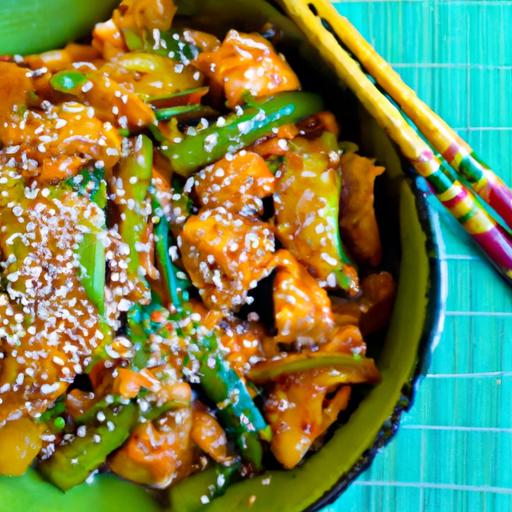



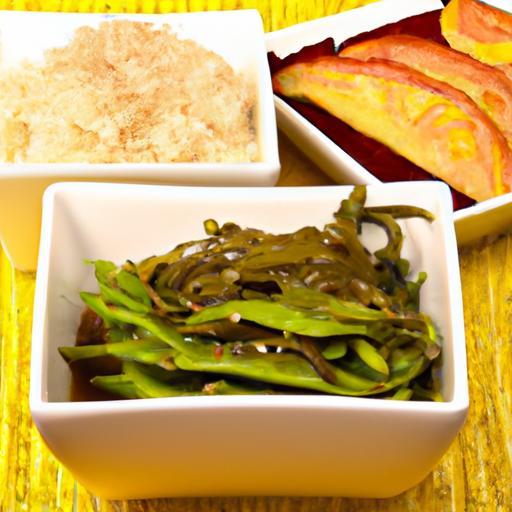
in the rich tapestry of Asian cuisine, vibrant plant-based dishes burst forth with colors, textures, and flavors that delight the senses and nourish the body. Rooted in tradition yet endlessly inventive, these meals invite both longtime devotees and curious newcomers to embark on a culinary journey where fresh vegetables, fragrant herbs, and bold spices take center stage.From the fiery street foods of Thailand to the delicate, umami-packed bowls of Japan, plant-based Asian cooking offers a world of savory treasures meant to be savored alone or shared around the table with loved ones. Join us as we explore a selection of these dazzling dishes that celebrate nature’s bounty and the art of communal dining.
Vibrant plant-based Asian dishes to savor and share inspire a remarkable journey into the world of bold flavors and intoxicating aromatics. Drawing from the rich heritage of Asian cuisine, this recipe celebrates innovative ingredients that elevate traditional dishes while embracing a plant-based beliefs.Designed to thrill both seasoned cooks and curious food explorers, this dish marries fresh herbs, pungent spices, and umami-packed elements that burst with life on the palate. Whether preparing a weeknight supper or an impressive meal for guests, these vibrant textures and tastes invite you to create an experience that’s as beautiful as it is indeed unforgettable.
Prep and Cook Time
- Preparation: 20 minutes
- Cooking: 25 minutes
- Total Time: 45 minutes
Yield
Serves 4 generous portions
Difficulty Level
Medium – Ideal for cooks comfortable with layering flavors and balancing aromatics
Ingredients
- 2 cups cooked jasmine rice (preferably day-old for texture)
- 1 block (14 oz) firm tofu, pressed and cubed
- 3 tablespoons toasted sesame oil
- 1 small yellow onion, finely diced
- 4 cloves garlic, minced
- 1 thumb-sized piece ginger, grated
- 1 red bell pepper, thinly sliced
- 1 cup shiitake mushrooms, sliced
- 1 cup snap peas, trimmed and halved
- 3 green onions, chopped (white and green parts separated)
- 2 tablespoons tamari or soy sauce (gluten-free if preferred)
- 1 tablespoon rice vinegar
- 1 teaspoon maple syrup or coconut sugar
- 1 teaspoon freshly ground black pepper
- 1 teaspoon chili garlic sauce (adjust to heat preference)
- 1 tablespoon toasted sesame seeds, for garnish
- Fresh cilantro and lime wedges, for serving
Instructions
- Prep the tofu: Heat 1 tablespoon of toasted sesame oil in a large non-stick skillet over medium heat. Add the cubed tofu and sauté until golden brown and crispy on all sides,about 8-10 minutes.Remove tofu and set aside.
- Build the aromatic base: In the same pan, add the remaining 2 tablespoons of sesame oil. Add diced onion and sauté until translucent,about 3 minutes.Stir in garlic and grated ginger, cooking gently until fragrant, about 1 minute.
- Add vegetables: Toss in sliced red bell pepper, shiitake mushrooms, and snap peas. Cook for 5-7 minutes, stirring occasionally until vegetables are tender yet vibrant.
- Combine rice and sauce: Add the cooked jasmine rice to the pan, breaking up any clumps. Stir in tamari, rice vinegar, maple syrup, black pepper, and chili garlic sauce. Mix thoroughly to distribute flavors evenly.
- Incorporate tofu and green onions: Return the golden tofu cubes to the skillet,along with the white parts of the green onions. Gently fold to combine without breaking the tofu cubes. Heat through for 2 minutes.
- Finish and garnish: Remove from heat and sprinkle toasted sesame seeds and chopped green onion greens over the top. serve with freshly chopped cilantro and lime wedges for an added bright finish.
Tips for Success
- For crispier tofu,press it overnight or use a tofu press to remove excess moisture before cooking.
- If you prefer a smokier depth, add a teaspoon of smoked paprika or a dash of liquid smoke to the sauce mixture.
- Feel free to swap jasmine rice with brown rice or cauliflower rice for a different texture and nutritional profile.
- To amplify umami, add a tablespoon of fermented black beans or a splash of mushroom soy sauce.
- This dish reheats beautifully-store leftovers in an airtight container and reheat in a skillet with a splash of water or oil to refresh the texture.
Serving Suggestions
Present this vibrant plant-based stir-fry in wide shallow bowls to showcase the colorful medley of vegetables and tofu. Garnish with additional fresh cilantro sprigs and a wedge of lime on the side to encourage diners to brighten their bites. Complement the meal with a refreshing side such as cucumber salad dressed in rice vinegar and toasted sesame seeds or a light miso soup to balance bold flavors with soothing warmth. For drinks, a chilled jasmine tea or a crisp, sparkling water infused with fresh ginger slices perfectly enhances the aromatic layers of the dish.

Nutritional Facts (per serving)
| Calories | Protein | Carbs | Fat |
|---|---|---|---|
| 350 kcal | 18 g | 45 g | 10 g |
Explore more plant-based asian recipes in our Easy Vegan asian Stir Fry post and discover additional techniques to expand your culinary repertoire. For detailed insights on flavor layering and ingredient sourcing, visit Serious Eats’ ultimate plant-based Asian cuisine guide.
Q&A
Q&A: Vibrant Plant-Based Asian Dishes to Savor and Share
Q1: What makes Asian cuisine particularly suited for vibrant plant-based dishes?
A1: Asian cuisine is a celebration of fresh vegetables, bold spices, and umami-rich ingredients like soy, mushrooms, and fermented products. Many traditional Asian recipes naturally emphasize plant-based components, making it easy to create vibrant dishes bursting with color, texture, and flavor without relying on meat or dairy.
Q2: Which plant-based ingredients are staples in Asian cooking?
A2: Staples include tofu, tempeh, seitan, a variety of mushrooms, fresh herbs like cilantro and Thai basil, chili peppers, garlic, ginger, and fermented sauces such as miso and tamari. These ingredients contribute depth, richness, and the iconic savory notes found in Asian dishes.
Q3: How can someone new to plant-based eating approach Asian flavors confidently?
A3: Start by embracing well-known classics like vegetable stir-fries, miso soup, or spring rolls, which can easily be made plant-based. Experiment with sauces like hoisin, soy, and peanut, and don’t shy away from fresh herbs and aromatic spices. The key is balancing sweet, sour, salty, bitter, and umami flavors to create complexity.
Q4: What are some standout plant-based Asian dishes to try?
A4: Try vibrant Thai papaya salad, hearty Japanese vegetable ramen, spicy Sichuan-style mapo tofu (made with mushrooms instead of meat), or Vietnamese fresh herb and tofu spring rolls. Each dish showcases intense flavors, fresh ingredients, and a variety of textures that make plant-based eating exciting and satisfying.Q5: How do these dishes lend themselves to sharing and communal dining?
A5: Asian meals traditionally emphasize sharing, with dishes served family-style.Vibrant plant-based dishes are perfect for this because they are colorful, flavorful, and inviting, encouraging guests to sample a variety of flavors and textures. Sharing fosters connection, amplifying the joy of eating together.
Q6: Can vibrant plant-based Asian dishes be both healthy and indulgent?
A6: Absolutely! These dishes often highlight nutritional powerhouses like leafy greens, legumes, nuts, and seeds, while using fresh herbs and spices to amplify flavor without excess fat or salt. Simultaneously occurring, ingredients like coconut milk, sesame oil, and peanut sauce add creamy, indulgent textures that delight the palate.Q7: what is one essential tip for creating visually vibrant plant-based Asian dishes?
A7: Embrace color contrast and fresh garnishes. Think bright red chilies against deep green bok choy or golden tofu cubes nestled in a bed of purple cabbage and orange carrots. Fresh herbs, toasted seeds, and a drizzle of sauce finish the dish with flair and vibrancy that make it as beautiful to look at as it is to eat.Q8: How can one incorporate cultural respect when recreating plant-based Asian dishes?
A8: Research the origins and traditions behind each dish, use authentic ingredients when possible, and honor traditional techniques while adapting thoughtfully. Approach cooking as an act of cultural gratitude-celebrating diversity and storytelling through every vibrant bite.
in Retrospect
As the vibrant flavors of these plant-based Asian dishes linger on your palate, you’re reminded that true nourishment goes beyond sustenance-it’s a celebration of culture, creativity, and community. Whether you’re cooking for yourself or sharing with loved ones,these colorful recipes invite you to explore a world where every bite tells a story of tradition reimagined through the lens of plant-powered goodness. So gather your ingredients, embrace the art of bold flavors, and let these dishes inspire your next culinary adventure-because savoring and sharing vibrant food is one of the sweetest ways to connect across cultures and kitchens alike.