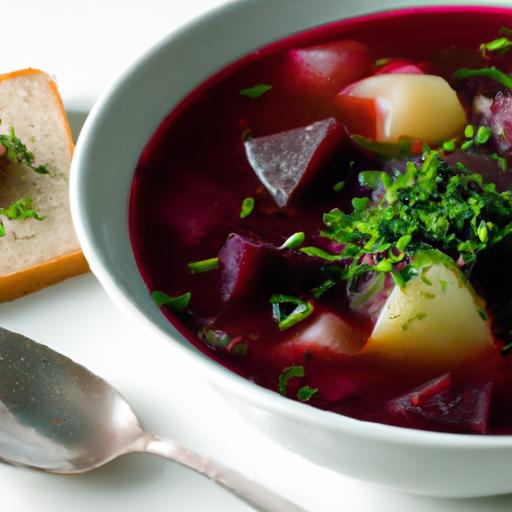



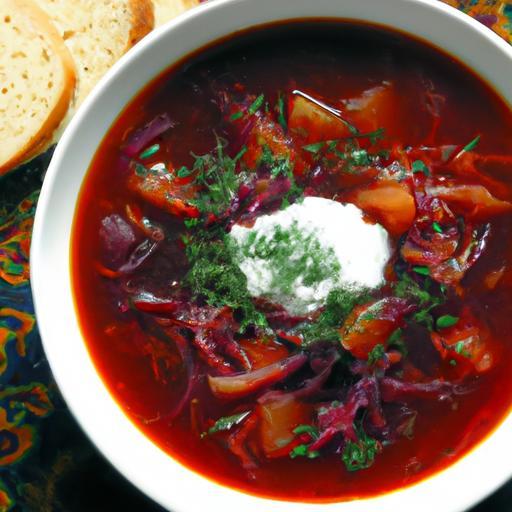
In the rich tapestry of Russian cuisine, few dishes hold as much warmth and history as borscht-a vibrant beetroot soup that has nourished families through generations of cold winters and festive gatherings. Traditionally simmered with hearty meats and robust broths, borscht is a culinary emblem of comfort and community.But what happens when tradition meets innovation? Enter the hearty vegetarian Russian borscht: a vibrant twist on a classic that honors its roots while embracing the growing demand for plant-based nourishment. This reimagined version not only preserves the soul of the original recipe but also invites a fresh, wholesome viewpoint-proving that even time-honored favorites can evolve to suit modern palates without losing their heart. Join us as we explore this colorful fusion of history and health, where every spoonful tells a story of tradition with a twist.
Hearty vegetarian Russian borscht is more than just a soup; it’s a vibrant celebration of seasonal vegetables and rich, comforting flavors. Rooted in traditional Eastern European cuisine yet brimming with a fresh vegetarian twist, this dish invites you to explore a medley of garden-fresh produce, layered aromas, and a broth that nourishes both body and soul.
Prep and Cook Time
Planning: 20 minutes | Cooking: 1 hour 10 minutes | Total: 1 hour 30 minutes
yield
Serves 6 generous bowls of comfort and color
Difficulty Level
Medium – approachable for home cooks ready to enjoy a bit of chopping and slow-simmering magic
Ingredients
- 3 medium beets, peeled and grated
- 2 large carrots, diced
- 1 medium onion, finely chopped
- 2 cloves garlic, minced
- 2 medium potatoes, cubed
- 1 small head of green cabbage, shredded
- 1 red bell pepper, diced
- 1 large tomato, peeled and chopped (or 1 cup canned crushed tomatoes)
- 6 cups vegetable broth (preferably homemade or low-sodium)
- 2 tablespoons olive oil
- 2 tablespoons tomato paste
- 1 tablespoon apple cider vinegar
- 1 teaspoon sugar (to balance acidity)
- 1 teaspoon smoked paprika
- 1 bay leaf
- Salt and pepper, to taste
- Fresh dill for garnish
- Vegan sour cream or plain yogurt, for serving (optional)
Instructions
- Prepare the vegetables. Start by peeling and grating the beets to release their vivid red color, which is essential for an authentic borscht. Dice carrots, onions, potatoes, and bell pepper, and shred the cabbage.
- Sauté aromatics. Heat olive oil in a large pot over medium heat. Add onions and garlic, sautéing until translucent and fragrant, about 4 minutes.Stir occasionally to avoid browning.
- Add beets and carrots. Incorporate these into the pot and cook for 7-8 minutes, stirring gently, allowing the sweetness of the beets to bloom.
- Mix in tomato ingredients. Stir in the tomato paste, chopped tomatoes, smoked paprika, and sugar. Cook for another 5 minutes to enhance the depth of the broth.
- Add potatoes,bell pepper,and broth. Pour in the vegetable broth, then add the diced potatoes and bell pepper. Bring the mixture to a boil, and reduce to a simmer.
- Simmer with bay leaf. Toss in the bay leaf,cover partially,and let it simmer gently for 25 minutes or until the potatoes are tender.
- Incorporate cabbage. Add the shredded cabbage to the pot and continue cooking for 10 more minutes.This final step ensures the cabbage remains tender yet vibrant.
- Balance flavors. Remove from heat, stir in the apple cider vinegar, and season with salt and pepper to taste. The vinegar brightens and lifts the rich vegetable flavors.
- Serve piping hot. Ladle the borscht into bowls, and garnish creatively with a dollop of vegan sour cream or yogurt and a sprinkle of freshly chopped dill.
Tips for Success
- Choosing seasonal vegetables: Opt for fresh, organic beets and root veggies in autumn and winter to maximize flavor and nutrition. Summer borscht can get exciting with tender zucchini, fresh peas, or new potatoes.
- Broth depth: Homemade vegetable broth adds remarkable depth. For a heartier texture, simmer vegetable scraps (onion skins, carrot ends, celery leaves) beforehand to create a robust base.
- Color retention: keep the lid partially off during simmering and avoid overcooking beets to preserve that shining ruby hue that makes borscht irresistible.
- Make ahead: Borscht tastes even better the next day when flavors meld. Store in airtight containers for up to 3 days or freeze in portions for up to 2 months.
- Customization: Add a dash of smoked liquid paprika or a splash of beet kvass if you want an extra zing and probiotic benefits.
Serving Suggestions and Creative Garnishes to Elevate Your Borscht
For a truly authentic and Instagram-worthy presentation, serve this hearty vegetarian Russian borscht in deep, rustic bowls that showcase its jewel-toned broth. generous dollops of vegan sour cream melt into icy swirls atop the soup, adding creaminess and tang. Bright sprigs of fresh dill bring an herbal contrast and are essential to accentuate the earthiness of the root vegetables.
For crunch and texture,offer a side of warm rye bread or crispy garlic croutons. A scattering of toasted pumpkin seeds or a sprinkle of smoked paprika over the top further enhances the layers of flavor and makes the dish visually striking.
| Nutrient | Per Serving |
|---|---|
| Calories | 180 kcal |
| Protein | 5 g |
| Carbohydrates | 35 g |
| Fat | 4 g |
Discover more nourishing vegetarian soups in our collection of plant-powered recipes that are perfect year-round. For an authoritative guide on selecting organic seasonal vegetables, visit FDA’s Organic food Resource.

Q&A
Q&A: Hearty Vegetarian Russian Borscht – Tradition with a Twist
Q1: What makes traditional Russian borscht so special?
A1: Traditional Russian borscht is a soulful bowl of history and flavor, simmered with beets that give it a signature ruby red hue. It’s more than just soup-it’s a comforting staple that warms hearts and family tables across Eastern europe. Typically, it combines tender meats, cabbage, potatoes, and a splash of vinegar or lemon juice to brighten the earthy depths.
Q2: How does the vegetarian version differ from the classic recipe?
A2: Our vegetarian twist swaps out the meat for plant-based richness without losing any depth.Instead of beef or pork broth, we use a robust vegetable stock, often enriched with mushrooms or smoked paprika to mimic that hearty umami flavor.The focus remains on fresh, vibrant vegetables-beets, cabbage, carrots, potatoes-with a dollop of creamy sour cream (or vegan alternative) to finish.
Q3: Can vegetarian borscht still be hearty and satisfying?
A3: Absolutely! By layering a variety of textures and flavors-from the sweetness of caramelized beets to the earthiness of mushrooms and the heartiness of potatoes-the soup becomes a full meal in a bowl.Adding beans or lentils can also boost protein content, making it as filling as its meat-laden cousin.
Q4: are there any special techniques to enhance the flavor of vegetarian borscht?
A4: Yes! Roasting the beets beforehand brings out their natural sweetness and intensifies the soup’s color.sautéing onions and garlic until golden adds a caramelized depth,and incorporating a touch of vinegar or lemon juice at the end brightens the flavors,balancing the sweetness with a gentle tang.
Q5: Is this vegetarian borscht suitable for all diets?
A5: It’s a versatile dish! Naturally gluten-free and vegan if you choose plant-based sour cream, it fits many dietary needs. Plus, using fresh seasonal vegetables keeps it wholesome and nutrient-rich-perfect for anyone seeking a comforting yet healthful meal.
Q6: How can one serve vegetarian borscht to capture its traditional warmth?
A6: Serve it steaming hot with a generous dollop of sour cream and a sprinkle of fresh dill or parsley. Accompany it with crusty rye bread or pumpernickel to soak up the luscious broth. For an authentic touch, a side of pickled vegetables or garlic pampushki (Ukrainian garlic bread rolls) can elevate the experience.
Q7: Why embrace a vegetarian version of borscht now?
A7: Shifting to a plant-based borscht honors tradition while embracing modern, sustainable eating habits. It opens this cultural classic to vegetarians, vegans, and curious food lovers alike, proving that traditional recipes are living stories-evolving without losing their soul. It’s a heartwarming reminder that good food brings people together, no matter what’s in the pot.
The Conclusion
As the steam rises from your bowl of hearty vegetarian Russian borscht, you’re not just savoring a soup-you’re tasting a rich tapestry of tradition reinvented for today’s table. This vibrant, ruby-hued blend of beets, cabbage, and legumes bridges the past and present, honoring age-old flavors while embracing wholesome, plant-based innovation. Whether served piping hot on a frosty evening or enjoyed chilled as a refreshing summer starter, borscht remains a timeless testament to Russian culinary heritage-proving that even the most classic dishes can flourish with a thoughtful twist. So, next time you crave comfort with a dash of culture, let this vegetarian borscht warm your heart and remind you that tradition is always deliciously adaptable.