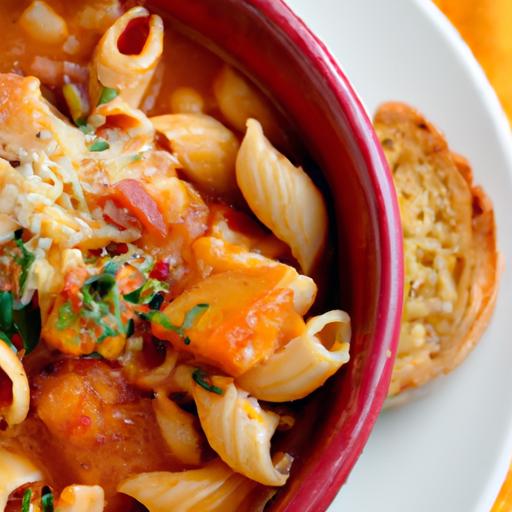



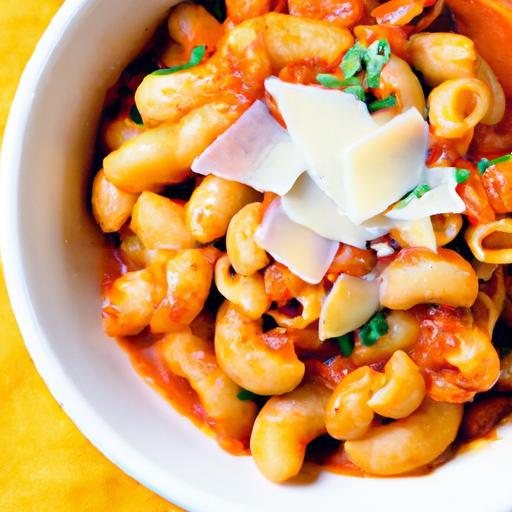
In the heart of Italian cuisine lies a dish as comforting as a warm embrace and as rich in history as the cobblestone streets of Rome-Pasta e Fagioli. Frequently enough hailed as the quintessential peasant soup, this hearty blend of tender beans, al dente pasta, fragrant herbs, and savory broth has been nourishing families for generations. More than just a recipe, Pasta e Fagioli is a celebration of simple ingredients transformed by time-honored techniques into a soulful feast. In this article, we’ll delve into the classic Italian Pasta e Fagioli recipe, exploring its origins, variations, and the enduring traditions that make every bowl a heartfelt experiance worth savoring.
Hearty Traditions: The Classic Italian Pasta e Fagioli Recipe
Hearty Traditions: The Classic Italian Pasta e fagioli Recipe invites you on a culinary journey to the rustic kitchens of Italy, where simple ingredients tell stories of warmth, family, and comfort. This beloved dish, frequently enough called “pasta and beans,” is a testament to the ingenuity of peasant cooking, transforming pantry staples into a soul-soothing meal. Its origins trace back to humble regions such as Campania and Emilia-Romagna,where every household added its own twist,often influenced by local crops and seasons.
Origins and Cultural Meaning of Pasta e Fagioli
This dish embodies more than just sustenance; it’s a symbol of Italian resilience and community. Dating back to times when meats where scarce,pasta e fagioli used inexpensive beans and pasta to create nourishing,inexpensive meals that could feed entire families. Across Italy, it is known by many names and regional variations-from thick stews in the north to lighter broths in the south.
Food historians point to this dish as a culinary bridge between peasants and nobility, evolving over centuries yet retaining its core character: a harmony of creamy beans, tender pasta, and aromatic broth. Today, it’s cherished worldwide not only for its hearty flavors but also for its profound cultural resonance-a dish that unites tables and traditions.
Choosing the Perfect Beans and Pasta for Authentic Flavor
For an authentic Pasta e Fagioli, the quality of beans and pasta makes all the difference.Conventional recipes call for cannellini beans or borlotti beans, prized for their creamy texture and mild, nutty flavor. Using dried beans, soaked overnight and simmered gently, guarantees a melt-in-your-mouth softness that canned beans can’t replicate.
When selecting pasta, small shapes such as ditalini or tubetti are ideal as they nestle perfectly among the beans, absorbing the rich broth without overpowering the dish. Fresh pasta, if available, brings an irresistible tender bite that frozen or boxed versions often lack.
Step by step Guide to Crafting a Rich and Comforting Broth
- Sauté the soffritto: Begin by gently sweating finely chopped onions, carrots, and celery in a generous splash of extra-virgin olive oil until translucent and fragrant, about 5-7 minutes.
- Add garlic and herbs: Stir in minced garlic and fresh rosemary or thyme, allowing their aromas to infuse the oil for another minute without browning.
- Incorporate tomatoes and broth: Stir in peeled plum tomatoes or a quality passata, then pour in homemade chicken or vegetable broth. Simmer gently to meld flavors.
- Cook the beans: Add your pre-soaked beans to the pot and simmer on low heat. Patience is key hear; cooking slow and steady until the beans are tender ensures depth in flavor and creaminess in texture.
- Introduce pasta: Once the beans are nearly cooked, stir in the small pasta shapes, cooking until al dente. Stir frequently to prevent sticking and to distribute the pasta evenly.
- Adjust consistency: Depending on your preference, add more broth or water to achieve either a stew-like thickness or a brothy soup consistency.
- Season to taste: Season generously with sea salt, freshly cracked black pepper, and a pinch of crushed red pepper flakes if a subtle kick is desired.
Tips for Elevating Your Pasta e Fagioli with Fresh Herbs and Seasonal Ingredients
Fresh herbs like flat-leaf parsley, basil, and chives added at the end transform this humble dish. Toss in a handful of chopped parsley just before serving for a bright, peppery contrast to the creamy beans. For a seasonal touch, roasted cherry tomatoes or sautéed mushrooms can add earthiness and color.
To truly elevate this legendary comfort food, drizzle the finished bowl with quality extra-virgin olive oil and a shaving of aged Parmigiano-reggiano. If you want to introduce a smoky edge, a tablespoon of pancetta crisped until golden can be stirred in or sprinkled atop. These little embellishments pay homage to the dish’s rustic roots while making every spoonful unforgettable.
Prep and Cook Time
- Prep Time: 20 minutes (plus overnight bean soaking)
- Cook Time: 1 hour 15 minutes
Yield
- 6 hearty servings
Difficulty Level
- Medium - requires some patience for bean soaking and slow simmering
Ingredients
- 1 cup dried cannellini beans, soaked overnight and drained
- 2 tbsp extra-virgin olive oil
- 1 small onion, finely chopped
- 1 medium carrot, finely diced
- 2 celery stalks, finely diced
- 3 garlic cloves, minced
- 1 sprig fresh rosemary
- 1 cup canned peeled plum tomatoes, crushed
- 6 cups homemade vegetable or chicken broth
- 3/4 cup ditalini pasta
- Salt and freshly ground black pepper, to taste
- Pinch of crushed red pepper flakes (optional)
- Fresh flat-leaf parsley, chopped for garnish
- Grated Parmigiano-Reggiano, for serving
Instructions
- Prepare the beans: Rinse and soak the dried cannellini beans overnight. Drain and set aside before cooking.
- Make the soffritto: Heat olive oil in a large pot over medium heat. Add chopped onion, carrot, and celery. Sauté until soft and aromatic, about 5-7 minutes.
- Add the garlic and rosemary sprig: Stir in garlic and rosemary; cook for 1 minute, careful not to brown the garlic.
- Introduce the tomato: Add crushed plum tomatoes and cook for 3-4 minutes to deepen their flavor.
- Simmer the beans: Pour in the broth and add the soaked beans. Bring to a boil, then reduce heat to low and simmer uncovered for about 1 hour, or until beans are tender.
- Add pasta and seasonings: Stir in ditalini pasta, season with salt, pepper, and crushed red pepper flakes. Cook until pasta is al dente, about 10 minutes, stirring occasionally.
- Finish and garnish: Remove rosemary sprig,adjust seasoning to taste.Ladle into bowls, garnish with fresh parsley and grated Parmigiano-Reggiano, drizzle with olive oil.
Chef’s Notes
- Make-ahead tip: The soup tastes even better the day after it’s made,as flavors deepen – refrigerate and reheat gently,adding extra broth if needed.
- Bean substitutions: Borlotti or kidney beans can be used if cannellini aren’t available, but soaking time and texture may vary.
- Pasta alternatives: Small shells or elbow macaroni work well if ditalini is out of reach.
- Vegetarian variation: Use vegetable broth and omit the Parmigiano rind for a flavorful vegetarian-friendly version.
Serving suggestions
Serve your Pasta e Fagioli steaming hot in rustic bowls. A crisp green salad and crusty Italian bread or garlic focaccia alongside help round out the meal beautifully. Complement the textures with a glass of light-bodied red wine, such as Chianti. For added indulgence, offer crushed red chili flakes and extra grated cheese at the table, inviting guests to personalize their bowl.
| Nutrient | Amount per Serving |
|---|---|
| Calories | 320 kcal |
| Protein | 15 g |
| Carbohydrates | 48 g |
| Fat | 6 g |

For further exploration on the history of Italian beans and culinary uses, visit History.com. Interested in pairing Italian classics? Check out our Italian Wine Pairings Guide for expert recommendations.
Q&A
Q&A: Hearty Traditions – The Classic Italian Pasta e Fagioli Recipe
Q: What is Pasta e Fagioli, and why is it considered a classic italian dish?
A: Pasta e fagioli, which translates to “pasta and beans,” is a beloved Italian comfort food that hails from humble, peasant roots. Its charm lies in its simplicity and heartiness-a fragrant, savory broth filled with tender beans, al dente pasta, and aromatic herbs. This dish embodies the Italian philosophy of cucina povera, or ”poor kitchen,” where pantry staples transform into soul-satisfying meals full of warmth, tradition, and rustic elegance.
Q: What kind of beans are traditionally used in Pasta e Fagioli?
A: Cannellini beans are the classic choice, prized for their creamy texture and mild flavor that absorbs the broth beautifully. However, variations abound-including borlotti (cranberry) beans, which add a lovely color and earthiness to the dish. Either way, the beans are the heart of Pasta e Fagioli, providing both protein and a velvety mouthfeel.
Q: How does the pasta contribute to the overall dish?
A: Pasta in this recipe isn’t just filler-it adds texture, substance, and that familiar Italian comfort factor. Small shapes like ditalini, elbow macaroni, or tiny shells work best because they blend seamlessly with the beans and broth, offering just the right bite without overpowering the harmony of flavors. The pasta swells slightly as it simmers, absorbing the savory essence of the stew.
Q: What herbs and seasonings bring out the authentic flavor of Pasta e Fagioli?
A: Garlic and onions form the aromatic base, frequently enough sautéed in olive oil to create a golden canvas of flavor. Fresh rosemary or sage might be added for an earthy depth, while a sprig of thyme lends a subtle brightness. Bay leaves are also common, infusing the broth with a gentle herbal whisper.a generous splash of good-quality olive oil and a sprinkle of freshly cracked black pepper brighten the dish just before serving.
Q: Is Pasta e Fagioli a soup or a stew?
A: Ah,the great debate! Pasta e Fagioli wears many hats-it can be a brothy soup with a light,silky consistency or a thicker,stew-like dish,depending on regional preferences and family recipes. Some versions are ladled with plenty of liquid for spooning, while others are more rustic and chunky, almost like a saucy risotto. Either style captures the soulful essence of this age-old tradition.Q: Can Pasta e Fagioli be adapted for modern dietary needs?
A: Absolutely! This dish is inherently versatile. For a vegetarian or vegan take,simply omit any meat or use vegetable broth. For a gluten-free version, swap traditional pasta for gluten-free varieties or use spiralized vegetables. The hearty beans and fresh herbs remain the stars, ensuring a nourishing meal that respects classic flavors while honoring contemporary lifestyles.
Q: What occasions or seasons are best for enjoying Pasta e Fagioli?
A: This dish shines brightest in the cooler months when its warmth and heartiness provide cozy nourishment after a chilly day. It’s a perfect family dinner, a welcome dish for gatherings, or even a satisfying lunch that fuels creativity and comfort alike. Still, thanks to its bright herbs and fresh ingredients, Pasta e Fagioli can be enjoyed any time you crave a taste of Italian tradition and home-cooked love.
Q: How can I elevate my Pasta e Fagioli to restaurant-quality at home?
A: Start with quality ingredients-fresh garlic, fragrant herbs, and the best olive oil you can find. Slow-simmer the beans until tender and season the broth well with salt and pepper.Toast the pasta briefly before adding it to the soup for a nutty nuance. Finish with a grating of Parmigiano-Reggiano and a drizzle of extra virgin olive oil to add layers of richness. Pair it with crusty bread and a glass of Chianti, and you’ve brought a slice of Italy’s heart right into your kitchen.
Dive into this timeless bowl of Pasta e Fagioli and savor more than a meal-taste centuries of tradition, love, and the simple magic of Italian cooking. Buon appetito!
Final Thoughts
In the tapestry of Italian cuisine, Pasta e Fagioli stands out as a humble yet hearty thread-woven from simple ingredients but rich in history and flavor. this timeless recipe invites us not only to savor a comforting bowl but also to honor the traditions and stories passed down through generations. Whether enjoyed by a rustic hearth or a modern kitchen,Pasta e Fagioli remains a delicious reminder that sometimes,the most satisfying meals come from the most unpretentious roots. So next time you gather around the table, let this classic dish warm your heart and connect you to Italy’s enduring culinary heritage.