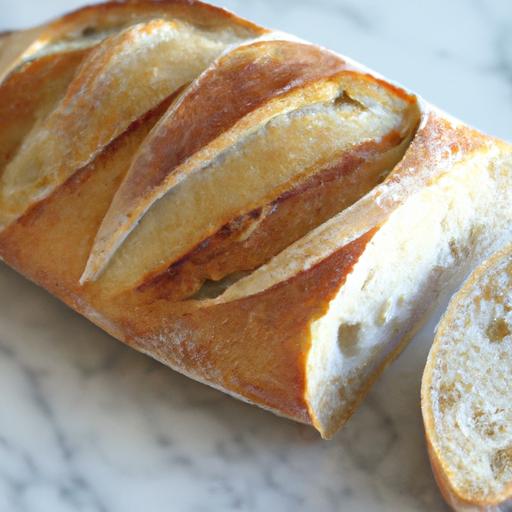



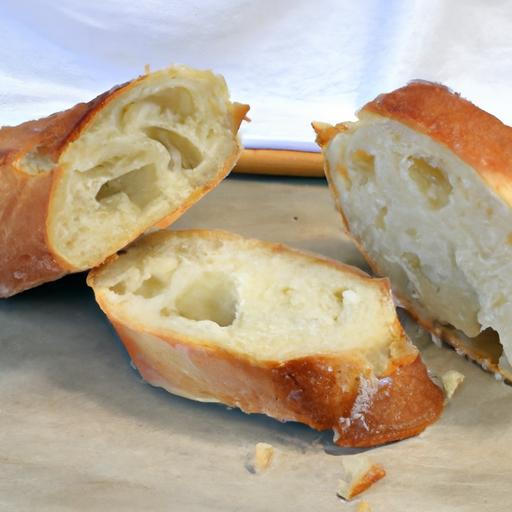
There’s something undeniably magical about a freshly baked French baguette-the golden, crackling crust giving way to a tender, airy crumb that practically sings wiht the aroma of warm, fermented dough. But the idea of mastering this iconic staple often feels daunting,reserved for seasoned bakers wielding bowls of flour and hours of elbow grease. What if you could capture that authentic Parisian charm right in your own kitchen, with minimal fuss and no kneading required? Welcome to the world of no-knead French-style baguettes-a simple, foolproof method that transforms humble ingredients into bakery-worthy loaves. In this guide, we’ll unravel the secrets to creating crusty, flavorful baguettes that promise all the tradition and taste, minus the stress. Get ready to roll up your sleeves (just a little), and embark on a appetizing journey where patience and simplicity make perfect bread.
french-Style Baguettes Made Easy: No-knead Recipe Guide
French-Style Baguettes Made Easy: No-Knead Recipe Guide unlocks the secrets to creating bakery-quality baguettes right at home without intensive kneading. Rooted in timeless French tradition, these golden loaves marry a beautifully crisp crust with a light, airy interior – perfect for any meal or leisurely afternoon snack. This approachable method lets the dough’s natural fermentation and gradual gluten progress do the hard work, letting you enjoy artisan bread with minimal effort and maximum flavor.
Prep and Cook Time
- Preparation: 15 minutes
- Rise Time: 18-24 hours (overnight fermentation)
- Baking Time: 25-30 minutes
Yield
2 medium-sized baguettes (approximately 12 inches each)
Difficulty Level
Easy to Medium – Ideal for beginners eager to explore artisan bread baking with minimal hands-on work.
Ingredients
- 3 ½ cups all-purpose flour,sifted
- 1 ¼ cups lukewarm water (about 75°F/24°C)
- 1 teaspoon active dry yeast
- 2 teaspoons fine sea salt
- Optional: 1 teaspoon honey or sugar for subtle sweetness
Instructions
- Mix the Dough: In a large bowl,gently combine the sifted flour,sea salt,and yeast. Add lukewarm water and optional honey, then stir with a wooden spoon until you achieve a shaggy, sticky dough. No kneading needed-just ensure all flour is hydrated.
- First Rise: Cover the bowl tightly with plastic wrap or a damp kitchen towel. Let it rest at room temperature for 18 to 24 hours. This slow fermentation allows gluten strands to develop naturally, creating that elusive airy crumb and depth of flavor characteristic of baguettes.
- Prepare for Shaping: Lightly flour a clean surface and gently scrape the dough out. It will be loose and sticky-handle it carefully to preserve air pockets.
- Divide and Pre-Shape: Using a bench scraper, divide your dough into two equal portions. Fold the edges toward the center for each piece, then shape into rough logs. Rest for 20 minutes, covered with a kitchen towel.
- Final Shaping: Elongate each log by gently rolling it under your palms on a floured surface. Aim for a uniform length of approximately 12 inches with tapered ends.Place shaped dough seam-side down on a lightly floured couche or parchment-lined baking tray to hold form.
- Second Rise: Cover and proof for 1 to 1.5 hours until slightly puffy but not doubled. Meanwhile, preheat your oven to 475°F (245°C) with a baking stone or heavy tray on the lower rack.
- Score the Baguettes: Using a sharp razor or serrated knife,make 3-4 diagonal slashes about ¼ inch deep along each loaf. this allows controlled expansion and enhances the signature look.
- Bake with Steam: Quickly place the baguettes on the hot stone or tray. Pour a cup of hot water into a preheated metal pan at the bottom of the oven to create steam. Bake 25 to 30 minutes until the crust is deep golden and crackly.
- Cool: Transfer freshly baked baguettes to a wire rack and let cool entirely. This step ensures the crust fully crispifies and the interior sets perfectly.
Chef’s notes: Tips for Success
- water Temperature: Use lukewarm water to activate yeast but never hot – it can kill beneficial organisms responsible for fermentation.
- Flour Quality: High-protein bread flour can substitute for a sturdier crumb, but traditional all-purpose flour yields the classic baguette texture.
- Proofing Environment: Maintain a warm,draft-free space for consistent rise.A slightly humid spot accelerates fermentation.
- Make Ahead: After the first rise, shaped dough can be refrigerated overnight for baking the next day – extend flavor complexity and convenience.
- Steam Tips: Don’t skip steam in the oven; it’s essential for that crackly, shiny crust. If you don’t have a pan for water, spritz the oven walls with a spray bottle before baking.
Serving Suggestions
Enjoy fresh French-style baguettes warm with soft butter and flaky sea salt, partnered with creamy brie or tangy goat cheese for a classic French touch. Pair with robust olive oil and balsamic vinegar for dipping or alongside a hearty bowl of ratatouille or French onion soup. Garnish with fresh herbs like thyme for an elegant presentation or slice thinly for sandwiches filled with ham, gruyère, and crisp lettuce for a café-worthy delight.

Nutritional Information (per baguette)
| Calories | Protein | Carbs | Fat |
|---|---|---|---|
| 280 kcal | 9 g | 58 g | 1 g |
For a deeper dive into artisan bread techniques, check out our Artisan Bread Baking Guide. To explore the science of yeast fermentation, visit ScienceDirect – Yeast fermentation in bread.
Q&A
Q: What makes a traditional French baguette so iconic, and can a no-knead recipe really capture that essence?
A: Ah, the French baguette-a crisp, golden crust giving way to a chewy, airy crumb. It’s the culinary emblem of Parisian mornings and rustic countryside lunches. Traditionally, baguettes rely on meticulous kneading and long fermentation to develop flavor and structure. But fear not! The no-knead method, with its extended resting time, invites the gluten to develop naturally, yielding that same open crumb and crunchy crust. So yes, you can absolutely recreate that authentic baguette magic without the elbow grease!
Q: Why should I try a no-knead baguette recipe rather of the classic kneaded dough?
A: Life’s too short to spend hours wrestling dough into submission. The no-knead technique transforms your baking experience into a relaxed adventure-just mix, rest, shape, and bake. It’s perfect for beginners intimidated by complex bread-making, as well as busy bakers craving artisan results with minimal effort.Plus, the long fermentation nurtures deep, complex flavors. It’s basically baguette brilliance on easy mode.Q: What are the key ingredients for a no-knead French baguette, and are any special flours required?
A: Simplicity is the soul of the baguette. You’ll need flour (all-purpose or bread flour works well), water, salt, and yeast-the classic quartet. Bread flour provides a bit more protein for gluten strength,but all-purpose flour is perfectly fine. No fancy specialty flours required! The magic is in the slow fermentation and careful shaping rather than exotic ingredients.
Q: How long does the entire no-knead baguette process take, from start to finish?
A: Patience rewardeth the dedicated baker! Including resting time, dough fermentation, and a final rise, expect around 12 to 18 hours total. Most of this time is hands-off-just a few minutes stirring at the beginning.The slow rise develops flavor and texture, so you’ll often mix the dough one evening and bake fresh baguettes the next day. the result? A golden loaf worthy of any Parisian café.
Q: Can I shape baguettes properly without kneading? Any tips for beginners?
A: Absolutely! Shaping no-knead dough is more about gentle handling than muscle power. After the dough has risen, turn it out onto a floured surface and use a bench scraper or your hands to fold and elongate it into that signature slender form. Keep your movements light to preserve the air bubbles that give the crumb its lightness. Think of it as coaxing the dough into shape rather than pounding it.
Q: What’s the trick to achieving that perfect, crackling crust?
A: Steam is your baguette’s best friend. When you slide the shaped loaf into a super-hot oven, introduce steam by placing a pan of water at the bottom or by spritzing the oven walls with water. That steamy environment keeps the crust moist during initial baking, allowing it to expand beautifully before crisping into that irresistible crunch.A hot baking stone or steel also helps conduct heat evenly for a golden finish.
Q: Can I customize this recipe for gluten-free or whole wheat versions?
A: While traditional baguettes shine best with wheat flour due to gluten’s role in structure and crumb, you can experiment cautiously. Gluten-free blends frequently enough need additional binders and adjustments in hydration. Whole wheat can be incorporated up to half the flour weight for a nuttier flavor and denser crumb, but the no-knead technique still applies. Expect slightly different textures, but delicious outcomes await!
Q: How do I store leftover baguettes to maintain their freshness?
A: Baguettes are happiest fresh from the oven, but if you must store, wrap them loosely in a paper bag at room temperature for up to a day. Avoid plastic bags, which trap moisture and soften the crust. For longer storage, freeze the baguette whole or sliced, wrapped tightly in foil or a freezer bag. Reheat in the oven to revive that crunchy exterior before serving.
Q: Any secret tips from French bakers for no-knead baguette success?
A: Oui, oui! Embrace slow fermentation-it’s the heart of flavor development, so resist the urge to rush. Use a kitchen scale for ingredient precision, as baguette dough is surprisingly sensitive. And remember, every oven is unique-playing with temperature and baking time will help you find your perfect crust. Lastly, savor the process-bread baking is as much a ritual as it is a recipe.
Ready to fill your kitchen with the aroma of freshly baked French baguettes without breaking a sweat? With this no-knead guide, “amazing” and “artisan” are just a loaf away!
Final Thoughts
Whether you’re a seasoned baker or a curious beginner, this no-knead recipe unlocks the art of French-style baguettes with effortless grace. By embracing patience over perspiration, you transform simple ingredients into golden, crusty masterpieces that fill your kitchen with the irresistible aroma of France. So, roll up your sleeves-or not-and let this guide be your passport to baguette bliss. Bon appétit awaits in every slice!