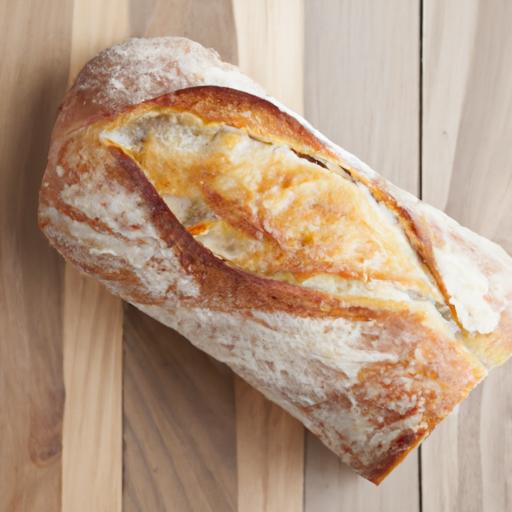



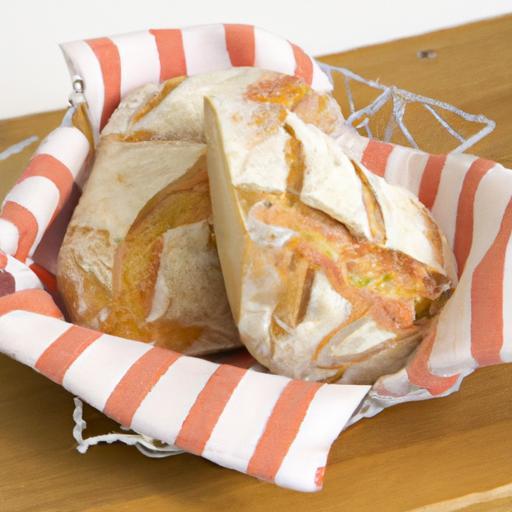
There is something undeniably magical about the aroma of freshly baked French bread wafting through the air-a sensory invitation that transcends time and place. For centuries, bakers across France have perfected the art of transforming simple ingredients into loaves that boast a crisp, golden crust and a tender, airy crumb. “Mastering Tradition: Timeless French Bread Baking Techniques” takes you on a journey into the heart of this culinary heritage, revealing the meticulous methods and age-old wisdom that continue to shape French bread-making today. Whether you are a seasoned baker or a curious novice, uncovering these time-tested techniques will not only deepen your appreciation for this iconic staple but also empower you to create loaves that carry the soul of tradition straight from your oven to your table.
The Art of Selecting Authentic Ingredients for Classic French Bread
Mastering Tradition: Timeless French Bread Baking Techniques begin with understanding the soul of each component. French bread is more than just flour and water; its a delicate balance of carefully sourced, authentic ingredients that bring forth the iconic flavor and crumb we cherish.
For truly authentic French bread, start with a high-quality Type 55 bread flour, known for its balanced gluten content and natural starches that create an elastic dough and a tender crumb. Avoid all-purpose flours,as their protein variation can alter the bread’s texture. Next, choose unbleached natural sea salt-its mineral profile enhances flavor complexity without overwhelming the subtle notes of the dough.
Water quality plays an unsung but vital role-ideally, use soft or filtered water, free from chlorine, which can inhibit yeast activity. And the yeast or levain (natural starter) you select should be well-fed and active.This ensures that wild yeast and lactic bacteria develop the nuanced, tangy flavor unique to French boules and batards.
Perfecting the Levain Process to Enhance flavor and Texture
The levain process is the beating heart of Mastering Tradition: Timeless French Bread Baking Techniques. This slow fermentation method cultivates wild yeast, enriching your bread with complex aromatics and an open, moist crumb.
Begin by preparing your levain 8-12 hours before mixing the dough, using a mixture of equal parts flour and water combined with a small amount of mature starter. The ideal levain is bubbly and doubled in size, with a pleasant sour aroma-this signals it’s primed to lend depth to the final loaf.
Remember, the key to a great levain is patience. Avoid rushing this step. The longer, cooler fermentation (ideally around 70°F/21°C) allows organic acids to develop naturally, improving both taste and texture. This gentle rise improves dough extensibility, making shaping easier and resulting in signature open holes in the crumb.
Shaping and scoring Techniques that Define Customary Boules and Batards
Once your dough has fermented,shaping and scoring transform it into art. The boule, a classic round loaf, is shaped by folding edges inward to create surface tension that supports the rising dough’s structure. The batard, an elongated oval, demands a slightly stretched shaping motion to ensure an even crumb.
Use your hands like sculpting tools-gently but firmly creating tension on the surface without deflating the dough. This tension traps gas inside, preserving the lightness achieved during fermentation.
As for scoring, traditional cuts range from a simple cross on a boule to multiple diagonal slashes on a batard. These cuts not only lend the bread its rustic beauty but also control expansion during baking, preventing unsightly tears. Aim for fast, confident strokes using a razor-sharp lame or knife angled about 30°, which promotes elegant bloom and crisp crust.
Achieving the Ideal Crust through Time-Tested Baking Methods
The crust is the crown jewel of French bread, a thin golden shell with a satisfying crunch and subtle caramel notes. To achieve this, preheat your oven thoroughly-ideally to 475°F (245°C)-and bake on a stone or steel surface to simulate traditional hearth baking.
Introduce steam in the initial 10-15 minutes of baking by adding hot water to a pan or spraying the oven walls. The steam softens the dough surface, allowing it to expand fully before the crust sets.
After the first steam burst,finish baking uncovered to develop a glossy,blistered crust. This process caramelizes the sugars on the surface, enriches color, and seals in moisture for a perfect crumb.
With these steps, you’ll perfect the balance of a crunchy exterior and tender interior, completing your journey in Mastering Tradition: Timeless French Bread Baking Techniques.
Prep and Cook Time
- Levain Readiness: 8-12 hours
- Dough Mixing & Bulk Fermentation: 3-4 hours
- Shaping & Proofing: 1.5-2 hours
- Baking: 35-40 minutes
- Total Time: Approximately 13-18 hours (including levain resting)
Yield
Makes 2 medium loaves (boule and batard), about 400g-450g each.
Difficulty Level
Advanced: Requires familiarity with sourdough starter maintenance, fermentation timing, and shaping techniques.
Ingredients
- 500g Type 55 bread flour (unbleached)
- 350ml filtered water (at room temperature)
- 100g active levain (fed 8-12 hours prior)
- 10g fine sea salt
Instructions
- Mix the Dough: In a large bowl, combine the levain and warm water. Stir to dissolve, then gradually add the flour and salt. Mix by hand or with a dough scraper until a rough shaggy dough forms.
- Autolyse: Cover and let rest for 30 minutes-this hydrates the flour and kickstarts gluten progress.
- Stretch and Fold: Every 30 minutes over the next 2 hours, perform 3 sets of gentle stretch-and-folds to strengthen the dough. To do this, reach under the dough, stretch it upwards, and fold it over itself.
- Bulk Fermentation: Let the dough rest at room temperature, covered, until it has nearly doubled in size (roughly 3-4 hours). The dough should feel airy and jiggly.
- Shape: Turn the dough out onto a lightly floured surface. For a boule, fold edges inward creating tension. For a batard, gently stretch into an oval, folding the sides under to create surface tightness.
- Proof: Place shaped dough into well-floured bannetons or bowls lined with a clean kitchen towel. Cover and proof for 1-2 hours, or refrigerate overnight for a slower, flavor-enhancing retardation.
- Preheat oven: Place a baking stone or steel in your oven and preheat to 475°F (245°C). Prepare a steam tray with hot water or a sprayer.
- Score: Carefully invert the dough onto parchment paper. Using a razor blade or lame, make confident slashes about ¼-inch deep to guide expansion.
- Bake with Steam: Slide the dough onto the hot surface, introduce steam by pouring water into a lava rock tray or spraying the oven walls.
- bake: Bake for 15 minutes with steam, then reduce temperature to 450°F (232°C) and bake an additional 20-25 minutes uncovered until golden and hollow sounding when tapped.
- Cool: Allow loaves to cool completely on wire racks for at least 1 hour before slicing to finish setting the crumb.
Tips for Success
- Levain strength: Ensure your starter is bubbly and active before mixing. Perform a float test by dropping a spoonful in water – if it floats, it’s ready.
- Hydration: Adjust water slightly depending on flour absorbency. Higher hydration yields more open crumb but requires more careful handling.
- Shaping Practise: Practice gentle but firm shaping techniques to develop tension without deflating your dough.
- Cooling: Don’t skip the cooling step-warm slices can be gummy due to incomplete starch gelatinization.
- Make-Ahead: retard your shaped loaves in the fridge overnight to develop flavor and ease morning baking.
Serving Suggestions
Serve your fresh French bread with a slather of European-style butter, a drizzle of high-quality extra virgin olive oil, or alongside classic French cheeses like Comté or Brie. Garnish with a sprig of fresh rosemary or cracked sea salt to elevate presentation.
French bread is perfect for crafting open-faced sandwiches, bruschetta, or simply enjoyed warm with a bowl of steaming soup or ratatouille. Its crusty exterior and tender crumb make every bite a festivity of time-honored craftsmanship.
| Nutritional Info (per slice) | Calories | Protein | Carbs | Fat |
|---|---|---|---|---|
| classic French bread | 120 kcal | 4 g | 24 g | 0.5 g |

For those eager to deepen their baking skills, explore our related recipe on Artisan Sourdough Baking Basics. to understand the science behind fermentation, visit ScienceDaily’s fermentation research.
Q&A
Q&A: Mastering Tradition – Timeless French Bread Baking Techniques
Q1: What makes French bread truly timeless?
French bread is timeless as it embodies simplicity, artistry, and tradition. Rooted in centuries-old techniques, it relies on just a handful of basic ingredients-flour, water, yeast, and salt-but transforms them into crusty, aromatic loaves through methodical processes that have been perfected over generations.It’s this marriage of humble components with skillful craftsmanship that creates bread that’s both rustic and refined, making it beloved worldwide.
Q2: Why is the crust so crucial in French bread?
The crust is the signature of French bread-it offers a satisfying crackle that contrasts beautifully with the soft, airy crumb inside. Achieving this iconic crust requires careful control of fermentation, steam during baking, and high oven temperatures. The crust not only provides texture but also locks in moisture, keeping the bread fresh longer.Q3: How do traditional French bakers achieve that perfect crumb structure?
Traditional French bakers develop the bread’s interior by nurturing the dough through long, slow fermentation. This process allows natural enzymes and wild yeasts to work their magic, creating complex flavors and a light, open crumb. Skilled kneading and folding techniques also strengthen gluten networks, giving the bread elasticity and that characteristic airy texture dotted with irregular holes.
Q4: What role does steam play in baking French bread?
Steam is essential in the first stages of baking as it keeps the dough surface moist, enabling maximum oven spring-the rapid expansion of the dough. It also delays crust formation, allowing the loaf to swell fully and develop a thin, crisp crust instead of a hard, thick shell. Many traditional bakers use steam injection systems or simple tricks like placing a pan of water in the oven to achieve this effect.
Q5: Can traditional French bread techniques be adapted for home bakers?
Absolutely! While commercial bakeries have specialized equipment, home bakers can replicate many traditional French bread techniques with a bit of ingenuity. Using a Dutch oven to trap steam, extending fermentation time by refrigerating the dough overnight, and practicing scoring with a sharp blade can all bring professional-quality results to your kitchen. The key is patience and respect for the process.
Q6: What tips would you give for scoring the bread like a French artisan?
Scoring-those elegant slashes on the loaf’s surface-is both functional and decorative. Use a razor-sharp lame or a very sharp knife, and aim for swift, confident cuts at a shallow angle. Traditional designs vary, but a simple slash down the middle or a few diagonal cuts allow the bread to expand naturally while adding visual charm.
Q7: How important is ingredient quality in mastering French bread?
Ingredient quality is paramount. French bread relies on minimal ingredients, so each component must shine. Use high-protein bread flour or traditional French flour, fresh yeast or a lively sourdough starter, clean water, and fine sea salt. The purity and balance of these elements set the foundation for bread that is both flavorful and authentic.
Q8: what is the cultural significance behind mastering French bread baking?
Mastering French bread is a form of cultural preservation-each loaf tells a story of heritage, community, and the artistry of daily life. It connects bakers to centuries of tradition and to the rhythms of nature and craft. By honing these timeless techniques, one not only bakes bread but also celebrates a living culinary legacy cherished around the world.
In Conclusion
As you close the pages on these time-honored French bread baking techniques, remember that each loaf is more than just sustenance-it’s a living testament to centuries of tradition, patience, and artistry. Mastering these methods invites you into a captivating dialog between flour, water, yeast, and time, where the simplest ingredients transform into crusty masterpieces that sing with flavor and history. Whether you’re pulling your first golden baguette from the oven or refining your signature pain de campagne,embracing these timeless practices connects you to a rich cultural heritage that continues to nourish both body and soul. So tie your apron tight, dust your workspace with flour, and let the age-old rhythms of French bread baking guide your hands-and your heart-toward creating loaves that truly stand the test of time.