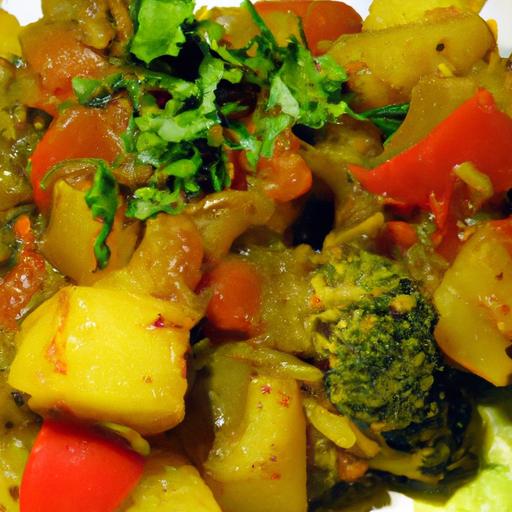



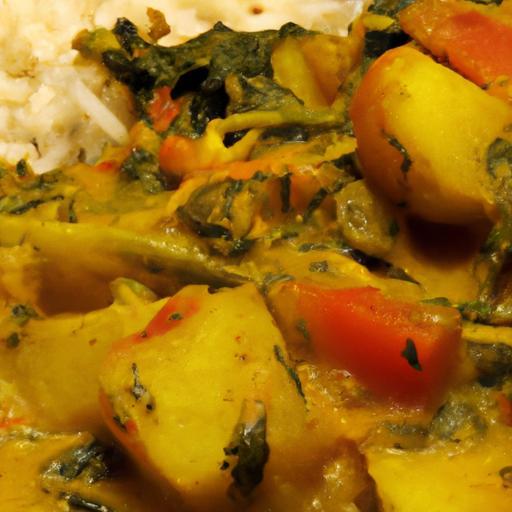
Rich, aromatic, and bursting with vibrant spices, Indian curries have long been celebrated for their ability to transform humble ingredients into unforgettable meals. But did you know that many of these culinary treasures can be crafted entirely from plants,delivering the same depth of flavor and satisfying warmth without any animal products? Welcome to the world of flavorful vegan Indian curries-a plant-based feast that honors tradition while embracing modern dietary choices. In this article, we’ll explore the luscious textures, bold spices, and wholesome ingredients that make vegan Indian curries not only delicious but also a nourishing festivity of culture and creativity. Whether you’re a seasoned vegan or simply curious about expanding your palate, prepare to dive into a tapestry of tastes that prove plant-powered cooking can be anything but ordinary.
Flavorful vegan Indian curries invite you into a vibrant world where aromatic spices and creamy textures dance in perfect harmony. Rooted deeply in centuries of tradition, these plant-based feasts celebrate the ingenious use of whole spices like cardamom, cumin, and coriander, layered with the luxurious richness of coconut and cashew-based sauces. whether nestled in a fragrant bowl or paired with warm, fluffy flatbreads, these curries promise warmth, comfort, and a sensory adventure that transcends diet boundaries.
Prep and Cook Time
- Readiness: 20 minutes
- Cooking: 40 minutes
- Total Time: 60 minutes
Yield
Serves 4 generous portions
Difficulty Level
Medium – Perfect for home cooks eager to deepen their spice skills
Ingredients
- 2 tbsp coconut oil
- 1 large onion, finely chopped
- 4 garlic cloves, minced
- 1 tbsp fresh ginger, grated
- 2 green chilies, slit (adjust for heat preference)
- 1 tsp cumin seeds
- 1 tsp coriander seeds, toasted and ground
- 1/2 tsp fennel seeds, crushed
- 1/2 tsp turmeric powder
- 2 tsp garam masala
- 1 tsp smoked paprika
- 1 can (400ml) full-fat coconut milk
- 1/4 cup raw cashews, soaked for 1 hour and blended to a smooth paste
- 2 medium tomatoes, pureed
- 1 cup diced potatoes
- 1 cup chopped cauliflower florets
- 1 cup cooked chickpeas (or 1 can, drained and rinsed)
- Salt to taste
- Fresh cilantro for garnish
- Juice of half a lemon
Instructions
- Heat coconut oil in a deep skillet over medium heat. Add cumin seeds and toast until fragrant, about 30 seconds.
- Add the chopped onion,sautéing until golden brown,approximately 8 minutes,stirring occasionally to avoid burning.
- Mix in garlic, ginger, and green chilies, cooking until aromatic, about 2 minutes.
- Sprinkle turmeric,coriander powder,fennel seeds,garam masala,and smoked paprika. Stir to coat the aromatics, releasing the spices’ essential oils-about 1 minute.
- Pour in the pureed tomatoes, simmering gently until the oil separates from the masala paste, roughly 10 minutes. This step builds deep flavor, so patience is key.
- Add diced potatoes and cauliflower florets. Stir well, then cover and cook for 10 minutes, until vegetables begin to soften.
- Blend soaked cashews with 1/4 cup water to form a creamy paste.
- Stir in the cashew paste and coconut milk into the skillet, mixing thoroughly to combine.Bring to a gentle simmer.
- Add cooked chickpeas, salt, and simmer uncovered for 10-15 minutes, allowing the sauce to thicken and flavors to meld beautifully.
- Finish with a squeeze of fresh lemon juice and garnish with chopped cilantro for a bright, fresh contrast.
Tips for Success
- Toast whole spices before grinding to amplify their aromatic power.
- For a nut-free version, substitute cashew paste with silken tofu blended with a touch of coconut milk.
- Make ahead: Curries taste even better the next day once the spices have beautifully married.
- If your sauce feels too thick, thin it with warm vegetable broth or water.
- Adjust spice levels by modifying the amount of green chilies or smoked paprika to suit your palate.
Top Serving Suggestions to Elevate Your Vegan Indian Feast
To truly celebrate this creamy indulgence, serve with soft vegan naan bread or aromatic basmati rice infused with whole cloves and cinnamon sticks. A side of crisp cucumber raita made from plant-based yogurt adds a cooling counterpoint. Garnish plates with fresh lemon wedges and additional cilantro sprigs, and consider a sprinkle of toasted mustard seeds for textural contrast.A refreshing mango chutney on the side can provide a subtle sweetness, creating a harmonious flavor balance.
| Nutrient | Per Serving |
|---|---|
| Calories | 380 kcal |
| Protein | 12 g |
| Carbohydrates | 45 g |
| Fat | 15 g |

By harnessing the richness of conventional Indian spices combined with plant-powered ingredients, these curries redefine comfort food in the most flavorful and compassionate way.
Q&A
Q&A: Flavorful Vegan Indian Curries - A Plant-Based Feast
Q1: What makes Indian curries a perfect choice for a vegan diet?
A1: Indian curries shine as a vegan-kind treasure trove as they traditionally rely heavily on vegetables,legumes,and aromatic spices. The cuisine naturally incorporates plant-based ingredients like lentils, chickpeas, potatoes, spinach, eggplant, and coconut milk, crafting rich, satisfying dishes without needing dairy or meat. The vibrant blend of spices-turmeric, cumin, coriander, garam masala-creates layers of flavor that make even the simplest ingredients sing.
Q2: How can someone new to Indian cooking create flavorful vegan curries at home?
A2: Start with a good spice foundation. Toast whole spices like mustard seeds,cumin,and fenugreek in oil to release their aroma,then blend in ginger,garlic,and onions for depth. Use canned tomatoes or freshly pureed tomatoes for tang, and finish with a splash of coconut milk or almond yogurt for creaminess. Experiment with different vegetables and legumes-don’t be afraid to mix spinach with potatoes or chickpeas with cauliflower. Remember, patience is key; letting the curry simmer allows the spices to meld beautifully.
Q3: Which Indian spices are essential to achieving authentic vegan curry flavors?
A3: Essential spices include turmeric, cumin, coriander, garam masala, mustard seeds, chili powder, cardamom, and cinnamon. Each brings a unique note: turmeric adds earthiness and golden colour; cumin delivers warm nuttiness; coriander offers citrusy brightness; garam masala combines sweet spices for complexity; and mustard seeds add a slight pungency when popped in hot oil.
Q4: Are there traditional Indian curries that are naturally vegan, or do most require modifications?
A4: Many traditional Indian curries are naturally vegan or easily adaptable. For example, chana Masala (spiced chickpeas), Aloo gobi (potatoes and cauliflower), and Dal Tadka (lentil curry) are vegan at their core. Some classics like Palak Paneer can be veganized by swapping paneer with tofu or tempeh, and creamy kormas can use coconut milk rather of dairy cream.
Q5: How can vegan Indian curries be paired for a complete meal?
A5: Pair your curry with fragrant basmati rice or soft roti/chapati flatbreads to soak up every flavorful drop. Accompany with simple sides like cucumber raita made with coconut yogurt, tangy mango chutney, and crunchy vegetable pickles. A fresh salad of diced onions, tomatoes, and cilantro sprinkled with lemon juice balances the richness of the curry.This harmony of textures and tastes creates a satisfying, plant-based feast.
Q6: What are some tips for making vegan Indian curries more accessible for busy weeknight cooking?
A6: Save time by using pre-ground spice blends like garam masala or madras curry powder. Pre-chopped frozen vegetables or canned legumes cut prep time. One-pot recipes streamline cooking and cleanup. Batch-cook curries and freeze portions for quick future meals. And remember, the deeper the flavors, the better they taste the next day-so making extra always pays off!
Q7: How do vegan Indian curries support a sustainable and healthy lifestyle?
A7: Centering meals around plant-based ingredients reduces reliance on animal agriculture, lowering environmental impact. Indian curries burst with fiber-rich lentils and vegetables,vitamins,and antioxidants,promoting gut health and overall wellness. Spices like turmeric and ginger have anti-inflammatory properties, adding a boost of health benefits alongside their delicious flavors. Together, they nourish both body and planet.
Embark on your plant-powered Indian curry journey and discover a world of warmth, spice, and color-all without animal products. Flavorful, nutritious, and endlessly versatile, these vegan curries prove that a feast of taste and compassion go hand in hand!
In Retrospect
As the aromatic spices settle and the last spoonful of these vibrant plant-based curries leaves your palate enriched, it’s clear that vegan Indian cuisine offers more than just a meal-it unfolds a story of tradition, culture, and conscious living. These flavorful vegan curries invite you to explore the depths of India’s diverse culinary heritage,proving that plant-based eating can be both deeply satisfying and endlessly creative. Whether you’re a seasoned vegan or simply curious, embracing these dishes is a delicious step toward a feast that honors both the earth and the senses.So, gather your spices, ignite your stove, and let your kitchen become a canvas for the bold, beautiful flavors of vegan Indian curries-where every bite is a celebration of health, history, and harmony.