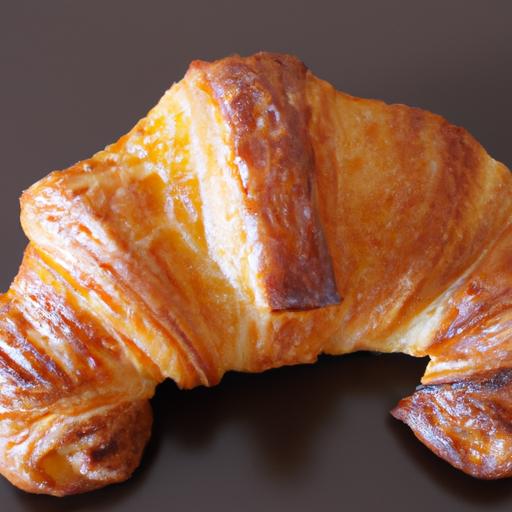




There’s something undeniably magical about biting into a freshly baked croissant-layers of buttery, flaky perfection that melt effortlessly on your tongue. But what if you could capture that bakery-fresh experience right in your own kitchen, without the intimidation of complex techniques? Welcome to “Flaky & Fabulous: Mastering easy Homemade Croissants,” where tradition meets simplicity. In this article, we’ll unravel the secrets behind those iconic golden crescents and guide you step-by-step to crafting croissants that are not only irresistibly delicious but surprisingly approachable. Whether you’re a novice baker or a pastry aficionado, prepare to embark on a buttery journey that transforms humble ingredients into a work of art, one flaky layer at a time.
Flaky & Fabulous: Mastering Easy Homemade Croissants begins with understanding the delicate science behind creating that irresistibly crisp,layered texture that defines a perfect croissant. This buttery marvel,born in the heart of French patisserie tradition,combines precision,patience,and quality ingredients to transform simple dough into a golden,flaky masterpiece. Unlocking the secrets of laminate dough not only enhances your baking confidence but also elevates your croissant game to professional levels, right in your own kitchen.
Prep and Cook Time
- Preparation: 30 minutes (active)
- Resting and Chilling: 12-14 hours (including overnight chilling)
- Baking: 20-25 minutes
- Total time: Approximately 14 hours, with most time spent resting dough
Yield
Makes approximately 12 classic croissants, perfect for a breakfast gathering or indulgent snack.
Difficulty Level
Medium-Advanced. Patience and technique are key, but with step-by-step guidance, these croissants are achievable for dedicated home bakers.
Ingredients
- 500g all-purpose flour, sifted
- 60g granulated sugar
- 10g fine sea salt
- 10g instant yeast
- 300ml cold whole milk
- 300g unsalted cold butter (for laminating), chilled but pliable
- 1 large egg (for egg wash)
- 1 tbsp water (for egg wash)
Instructions
- Make the Dough: In a large bowl, combine flour, sugar, salt, and instant yeast-keeping salt and yeast on opposite sides to prevent yeast inhibition. Gradually add cold milk, mixing gently until a smooth, slightly sticky dough forms. Knead for 5 minutes by hand or with a stand mixer fitted with dough hooks.
Tip: Avoid over-kneading; the dough should be elastic but soft. - First Chill: Shape dough into a ball, wrap tightly in plastic wrap, and chill in the refrigerator for at least 4 hours or overnight.This resting period relaxes gluten, making rolling easier.
- Prepare Butter Block: Place butter between two sheets of parchment paper. Using a rolling pin, beat and roll into a 7-inch square approximately 1 cm thick. Chill but keep pliable – pliable butter is essential for even laminating layers.
- Incorporate Butter: On a floured surface, roll out the dough into a 15-inch square. Place butter block in the center diagonally (like a diamond), fold dough corners over the butter, sealing tight to create an envelope.
- Roll and Fold #1 (Single Turn): Roll the dough envelope gently into a 20×10 inch rectangle. Fold the dough into thirds, like a letter. Wrap in plastic and chill for 1 hour.
Tip: Use a light dusting of flour to prevent sticking but avoid excess flour. - Roll and Fold #2 & #3: Repeat the rolling and folding process two more times, chilling for 1 hour between each fold. This creates the iconic flaky layers by alternating dough and butter.
- Shape Croissants: Roll the final dough sheet into a 20×12 inch rectangle, about 1/4 inch thick. Cut the dough into triangles (base ~4 inches). Stretch each triangle slightly, roll from base to tip tightly, curving ends for the classic crescent shape.
- Proof: Place shaped croissants on a parchment-lined tray, cover loosely with plastic, and proof at room temperature until doubled in size (about 2-3 hours).Humidity at ~75°F helps achieve ideal proofing.
- Egg Wash & Bake: Preheat oven to 400°F (200°C). Whisk egg and water, brush gently over croissants for a glossy golden finish.Bake for 20-25 minutes or until humbly golden and crisp.
- Cool & Enjoy: Let croissants cool slightly on a wire rack to set the flaky structure. Serve warm for the perfect bite.
Tips for Success
- Temperature Control: Keep dough and butter cold but workable; warmth melts the butter to soon, ruining layers.
- Use Quality Butter: European-style butter with higher fat content intensifies flavor and flakiness.
- Don’t Rush: Laminating requires patience – the best croissants develop through proper resting.
- Substitute: Maple syrup or honey can replace sugar for subtle sweetness.
- make-Ahead: Croissants freeze well-proof, then freeze shaped croissants on a baking tray. Once solid, transfer to a bag, and bake directly from frozen, adding a few extra minutes.
serving Suggestions
Presentation transforms your Flaky & Fabulous: Mastering Easy Homemade Croissants into an irresistible feast. Serve warm with:
- Rich whipped butter and homemade fruit preserves, such as raspberry or apricot.
- Thin slices of smoked ham and gruyère for a savory twist.
- Drizzle with honey or dust lightly with powdered sugar for an elegant brunch.
- Pair with a freshly brewed café au lait or your favorite tea to complement the buttery layers.

| Nutrition | Per Croissant |
|---|---|
| Calories | 280 kcal |
| protein | 6 g |
| Carbohydrates | 30 g |
| Fat | 14 g |
For those looking to deepen thier pastry art, exploring Ultimate Guide to Pastry Dough provides excellent insight on dough varieties. For scientific insight into gluten development and layering, visit King Arthur Baking’s Laminated Dough Guide.
Q&A
Q&A: Flaky & Fabulous - Mastering Easy Homemade Croissants
Q1: Why are croissants so notoriously tricky to make at home?
A1: Croissants are the gold medalists of laminated pastries, requiring a delicate dance of butter and dough.The key challenge lies in creating those signature flaky layers, which demands patience, precise temperature control, and just the right folding technique. But fear not-mastering the basics and embracing a little practice makes the flaky magic totally achievable in your own kitchen!
Q2: What’s the secret to getting perfectly flaky croissants without professional tools?
A2: The secret is simplicity and patience. Use cold, high-quality butter and keep everything chilled to prevent melting during lamination. Roll the dough evenly and fold it methodically. You don’t need fancy equipment-just a good rolling pin, a cool workspace, and time to let the dough rest and rise properly. This low-tech approach yields wonderfully flaky results!
Q3: How critically importent is the butter quality in croissant making?
A3: Butter is the star performer in croissants. Its fat content and moisture level contribute directly to flakiness and flavor. Using European-style butter with higher fat content (around 82-85%) enriches the dough, helping create those divine flaky layers and a buttery taste that sings with every bite.
Q4: Can croissants be made ahead and refrigerated or frozen?
A4: Absolutely! Croissant dough can be prepared ahead, then refrigerated or frozen at various stages. For instance,after shaping,you can freeze them raw and bake fresh whenever you want. Just be sure to thaw wholly and allow time for proofing to get that puffed-up, golden finish.
Q5: What are some easy flavor variations to jazz up homemade croissants?
A5: The classic buttery delight pairs beautifully with fillings and toppings. Try adding almond paste for an almond croissant twist, a smear of chocolate for pain au chocolat vibes, or even savory options like ham and cheese.You can also sprinkle coarse sugar or brush with flavored syrups after baking for an extra wow factor.
Q6: How can beginners avoid the common pitfall of dense, doughy croissants?
A6: Avoid rushing the fermentation and proofing stages. Croissants need time to rise slowly and develop those airy, open layers.Keep your dough cool but not frozen, and proof it in a warm, draft-free environment until it’s visibly puffed.Gentle handling ensures you don’t deflate those precious air pockets.
Q7: What kitchen hacks help streamline the croissant-making process?
A7: Prep in stages to fit your schedule-laminate the dough one day, shape and proof the next. Use parchment paper to help with even rolling and prevent sticking. Also, chilling your dough between folds prevents the butter from melting and keeps layers crisp. Lastly, a mist of water on the oven walls during baking can help achieve a perfect golden crust.
Q8: once mastered,how can croissants elevate your baking repertoire?
A8: Croissants are the gateway to a universe of laminated treats-think pain au chocolat,danish pastries,even savory puff pastries. Mastering this flaky marvel builds foundational skills in dough handling, lamination, and timing. Plus,homemade croissants turn every breakfast or brunch into a continental celebration of buttery bliss!
Ready to embark on your flaky & fabulous croissant journey? Remember: buttery layers,patient folds,and a sprinkle of creativity will have you pulling golden crescents from your oven in no time!
to sum up
As the last golden layer of your homemade croissant melts in your mouth,you’ll realize that mastering these flaky delights is more than just a baking achievement-it’s a delicious journey into the art of pastry. With a little patience and the right techniques, anyone can transform simple ingredients into buttery, airy crescents that rival any bakery. So whether you’re savoring them plain, filled with chocolate, or paired with your favorite jam, remember that homemade croissants aren’t just food-they’re a celebration of craft, comfort, and a touch of French flair right in your own kitchen. Happy baking, and may your croissants always be flaky and fabulous!