



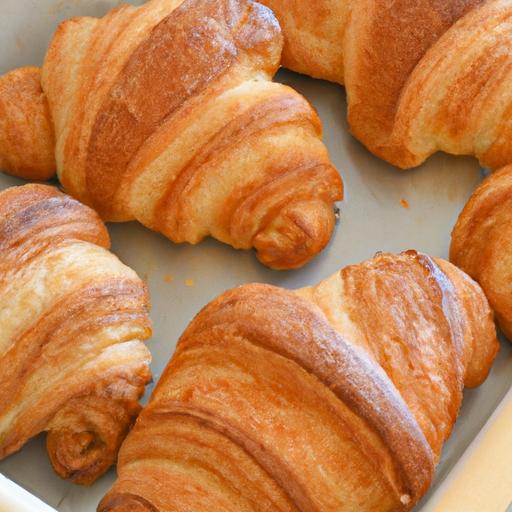
There’s a certain magic to the perfect croissant: golden, buttery layers that dance between crisp adn tender with every bite, leaving you craving just one more. Yet, behind this flaky bliss lies a skillful art-one that transforms simple ingredients into a symphony of texture and flavor. In “Flaky Bliss: Mastering the Ultimate Homemade Croissants Recipe,” we invite you to embark on a delicious journey, unraveling the secrets and techniques that elevate croissant-making from a daunting task to a rewarding ritual. Whether you’re a passionate home baker or a curious kitchen adventurer, this guide will unfold the step-by-step craft to creating those irresistible, bakery-worthy croissants right in your own oven. Prepare to fill your home with the intoxicating aroma of fresh pastry and to savor the satisfaction of each delicate, buttery layer you’ve mastered by hand.
Flaky bliss begins with mastering laminated dough-a delicate dance between butter and dough that creates the iconic layers croissants are famed for.Originating from the French tradition yet perfected worldwide, learning this craft elevates a simple pastry into an extraordinary experience. The magic lies not just in the ingredients but in the patience and technique, turning humble components into golden, buttery crescents that flake and melt with every bite.
Prep and Cook Time
- Preparation: 4 hours (including chilling and resting)
- Active Cook Time: 20-25 minutes
- total Time: Approximately 4 hours 25 minutes
Yield
- Makes 12 medium-sized croissants
Difficulty Level
- Advanced – requires attention to detail and time for proper lamination
Ingredients
- 500g all-purpose flour, sifted
- 12g fine sea salt
- 55g granulated sugar
- 10g instant yeast
- 300ml whole milk, cold
- 40g unsalted butter, melted
- 280g unsalted butter (cold, for laminating)
- 1 large egg, beaten (for egg wash)
Instructions
- Mix and knead the dough: In a large bowl, combine flour, sugar, salt, and instant yeast (ensure salt and yeast don’t touch directly). Add cold milk and melted butter. Mix until a shaggy dough forms,than knead on a lightly floured surface for 8-10 minutes until smooth and elastic. Cover with cling film and chill for at least 1 hour.
- Prepare the butter block: While dough chills, place the cold butter between two sheets of parchment paper and pound it with a rolling pin into a flat square about 20cm x 20cm.Keep chilled.
- Encase the butter: Roll the dough into a 30cm x 30cm square on a floured surface.Place the butter block diagonally in the centre and fold the dough corners to encase the butter completely, like an envelope. Pinch seams to seal.
- First fold (Book fold): Roll the dough into a 60cm x 20cm rectangle, keeping an even thickness. Fold the dough into thirds, like a letter-fold the bottom third up and the top third down over it. Rotate the dough 90 degrees, wrap in cling film, and chill for 30 minutes.
- Second fold: Repeat the rolling (60cm x 20cm) and folding into thirds. Wrap and chill again for 30 minutes. This layering is crucial for flaky texture.
- Final fold and shape: Repeat the folding one last time following the above step. After chilling, roll the dough into a 60cm x 30cm rectangle. Cut into 12 triangles. Starting from the wide base, roll each triangle tightly toward the tip, slightly stretching as you roll to form crescent shapes.
- Proofing: Place croissants on lined baking sheets. Cover lightly and let proof at room temperature for 1.5-2 hours until almost doubled and jiggly.
- Egg wash and baking: Preheat oven to 200°C (390°F). Brush croissants gently with beaten egg, avoiding pooling. Bake for 20-25 minutes until puffed, golden brown, and irresistibly flaky.
Chef’s Notes: Tips for Success
- Select quality butter: European-style butter with higher fat content intensifies flavor and layering. Keep it cold but pliable for best lamination results.
- Temperature control: Chill dough between folds to prevent butter melting and ensure distinct layers. Warm dough will result in greasy,dense croissants.
- Don’t rush proofing: Proper fermentation develops the buttery aroma and softness. Use a cool, draft-free space for steady rising.
- Variations: For almond croissants,fill with almond cream after baking. Add dark chocolate before rolling for pain au chocolat twists.
- Make-ahead: Proofed croissants freeze well. Freeze on trays, then transfer to bags; bake directly from frozen, adding extra bake time.
Serving Suggestions
Present with a thin dusting of powdered sugar or a light brush of apricot glaze for sheen. Pair these croissants with fresh berries, homemade jam, and a steaming cup of rich coffee or tea. Their flaky, golden layers are stunning on a rustic wooden board, inviting guests to savor each buttery fold.

| Nutrient | Per Serving (1 croissant) |
|---|---|
| Calories | 320 |
| Protein | 6g |
| Carbohydrates | 28g |
| Fat | 20g |
For a deeper dive into advanced baking techniques and ingredient science, visit the King arthur Flour’s guide to laminated dough. Also, explore our Ultimate Puff Pastry Guide for more flaky pastry inspiration.
Q&A
Q&A: Flaky Bliss – mastering the Ultimate Homemade Croissants Recipe
Q1: What makes croissants so irresistibly flaky and buttery?
A1: The magic lies in laminating dough-alternating layers of rich butter and tender dough folded and rolled multiple times. As it bakes, the butter melts and creates steam, causing those delicate, crisp layers that define the classic croissant.
Q2: Is making croissants at home really worth the effort?
A2: Absolutely! While croissants have a reputation for being labor-intensive, the thrill of pulling golden, airy pastries fresh from your oven is unmatched. Plus, homemade croissants allow you to customize fillings and tweak buttery goodness to your heart’s content.
Q3: What are the essential ingredients for the perfect croissant dough?
A3: Simplicity is key-flour, yeast, sugar, salt, milk, water, and a generous amount of unsalted butter. The butter’s quality greatly influences flavor and flakiness,so opt for a high-fat,European-style butter for best results.Q4: How do I prevent my butter from melting into the dough during lamination?
A4: Temperature control is crucial. Keep your dough and butter chilled but pliable. If the butter softens too much, it’ll blend into the dough rather than form distinct layers, resulting in a dense croissant rather of flaky bliss.
Q5: How many folds and turns are recommended in the croissant-making process?
A5: Typically, three “turns” or folds are standard. This means rolling out your dough-butter sandwich, folding it into thirds, chilling, and repeating this process three times. Each fold multiplies those buttery layers, building toward that signature, airy texture.
Q6: Can I add fillings to my croissants?
A6: Of course! Classic pain au chocolat uses chocolate batons, but you can get creative-almond paste, ham and cheese, or even fruit jams. Just remember to keep fillings moderate to avoid sogginess or tricky shaping.
Q7: How do I know when my croissants are perfectly baked?
A7: Look for a deep golden brown color with visibly puffed, crispy edges. When you tap the bottom, it should sound hollow. Inside, the crumb should be light and layered, practically melting in your mouth.
Q8: Any tips for beginners trying croissants for the first time?
A8: Patience is your best friend-don’t rush the resting and chilling steps as they shape the flaky structure. Use a sharp knife or a pizza cutter for precise cuts, and keep your workspace cool. And remember, practice makes perfect-each batch gets better!
Q9: How long does the entire croissant-making process take?
A9: From start to finish, expect about 18 to 24 hours factoring in fermentation and chilling.Though it’s a test of patience, the end result rewards you with buttery clouds of flaky bliss worth every moment.
Q10: What’s the secret to storing croissants without losing that fresh-baked magic?
A10: For short-term, wrap them loosely in foil once cool, then reheat in a hot oven for a few minutes to revive crispness. For longer storage, freeze unbaked croissants after shaping, then bake fresh when desired-they practically taste straight from a Parisian boulangerie!
Embrace the journey of croissant-making, and soon you’ll be savoring flaky, buttery perfection that turns your kitchen into an artisanal bakery. Happy baking!
To Conclude
As you close the chapter on your journey through flaky layers and buttery folds,remember that mastering the ultimate homemade croissant is as much about patience as it is indeed passion.Each fold, each chill, and every delicate turn brings you closer to that perfect golden crescent-crispy on the outside, tender within, and infused with a warmth only homemade can deliver. With your newfound skills in hand, may your kitchen become a haven where the aroma of fresh croissants signals not just a treat, but a triumph.So preheat your oven, embrace the rhythm of the dough, and let every bite of your flaky bliss be a delicious testament to the art you’ve just mastered.