


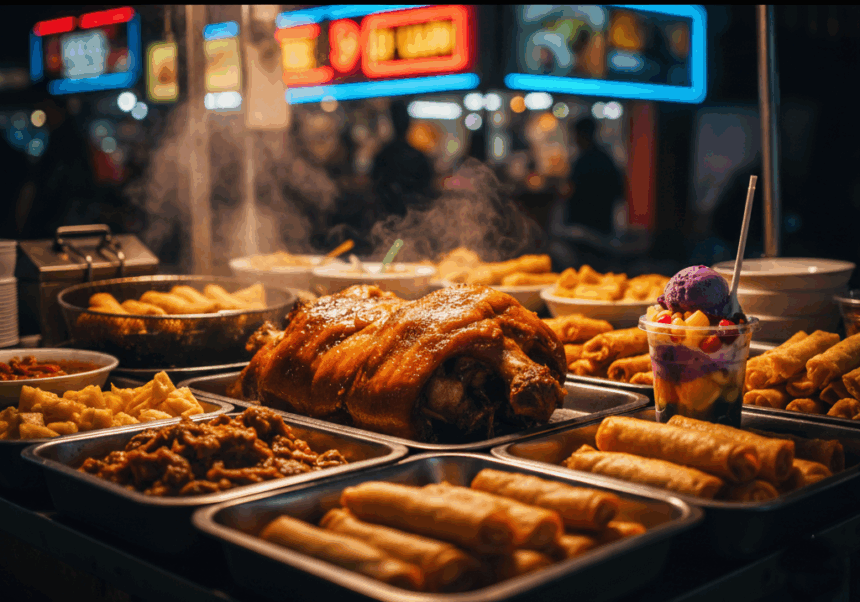
In the vibrant tapestry of global cuisine, Filipino food stands out as a flavorful journey deeply rooted in history, culture, and community. “Savor the Streets: Authentic Filipino Food Recipes Unveiled” invites you to embark on a culinary adventure through bustling markets, lively street corners, and humble home kitchens where time-honored recipes come alive. This article peels back the layers of traditional Filipino cooking, revealing the rich stories and unique techniques behind beloved dishes that have delighted generations. Prepare to awaken your senses and bring the warmth of the Philippines right to your own table with these authentic recipes, each one a delicious testament to the spirit of the streets. “`html
Discovering the vibrant essence of Filipino cuisine begins with exploring beloved street food staples, and nothing captures this culinary adventure better than mastering the rich flavors of classic dishes like Adobo and Sinigang. These timeless recipes reflect centuries of history, regional diversity, and a cultural love for bold, comforting tastes. From the tangy, aromatic broth of Sinigang to the deeply savory, caramelized notes of Adobo, each bite tells a story of tradition and family gatherings. With this guide, you’ll unlock secrets that elevate these dishes beyond the ordinary, empowering you to recreate authentic Filipino street food experiences right in your own kitchen.
Prep and Cook Time
- Adobo: Prep 15 minutes | Cook 45 minutes
- Sinigang: Prep 20 minutes | Cook 40 minutes
Yield
Serves 4 people per recipe
Difficulty Level
Medium – approachable for home cooks ready to explore Filipino flavors with confidence
Authentic Filipino Chicken Adobo Recipe
- 1 kg chicken thighs, bone-in and skin-on
- 1/2 cup soy sauce (preferably Filipino Toyo)
- 1/2 cup white vinegar
- 1 cup water
- 6 cloves garlic, crushed
- 2 bay leaves
- 1 tsp whole black peppercorns
- 2 tbsp cooking oil
- 1 tbsp brown sugar (optional for subtle sweetness)
- Salt and freshly ground black pepper to taste
- Marinate the chicken: Combine chicken, soy sauce, and half the garlic in a bowl. Refrigerate for at least 30 minutes to allow the flavors to penetrate.
- Brown the chicken: Heat oil in a heavy pan over medium heat. Remove chicken from marinade (reserve marinade), and brown skin-side down until golden, about 5 minutes per side. Remove and set aside.
- Sauté aromatics: In the same pan, add the remaining garlic and sauté until fragrant and slightly golden, about 2 minutes.
- Simmer the adobo: Return chicken to the pan. Pour in reserved marinade, vinegar, water, bay leaves, peppercorns, and brown sugar. Do not stir immediately after adding vinegar to ensure the acidity doesn’t mellow out prematurely.
- Cook low and slow: Bring to a boil, then reduce to a gentle simmer. Cover and cook for 30-40 minutes until chicken is tender and sauce thickens. Stir occasionally to prevent sticking.
- Adjust seasoning: Taste and add salt or pepper if needed. For a thicker sauce, remove the lid and reduce the liquid further over medium heat.
Traditional Pork Sinigang sa Sampalok (Tamarind Soup)
- 500g pork ribs or shoulder, cut into chunks
- 2 liters water
- 1 large onion, quartered
- 2 medium tomatoes, quartered
- 1 pack tamarind soup base (approx. 40g) or 1 cup fresh tamarind pulp
- 1 cup daikon radish, sliced
- 2 cups kangkong (water spinach)
- 1 cup green beans, cut into 2-inch pieces
- 2 long green chili peppers (siling haba), whole
- Fish sauce (patis) to taste
- Salt and pepper to taste
- Boil the pork: In a large pot, add pork, water, onion, and tomatoes. Bring to a boil, skimming off any scum for a clear broth. Lower heat and simmer for 1 to 1.5 hours until pork is tender.
- Add tamarind: Stir in tamarind soup base or add fresh tamarind pulp, letting it dissolve completely to infuse the broth with tanginess.
- Cook vegetables: Add daikon radish and cook for 5-7 minutes until tender. Add green beans and long chilies; simmer another 3 minutes.
- Finish with greens: Toss in kangkong and cook for just 2 minutes to keep it vibrant and crisp.
- Season: Add fish sauce, salt, and pepper according to taste. Avoid over-salting; the umami from fish sauce adds depth.
- Serve hot:</ It looks like your “Traditional Pork Sinigang sa Sampalok (Tamarind Soup)” recipe got cut off right at the end of step 6. I can help you complete that last step and polish the entire recipe if you’d like. Here’s the full continuation and completion of the Sinigang recipe, plus a neat closing:
Traditional Pork Sinigang sa Sampalok (Tamarind Soup)
continued from step 6…-
- Serve hot: Ladle the soup into bowls and serve immediately with steamed rice. Enjoy the comforting sour and savory flavors that make Sinigang a beloved Filipino classic.
If you’d like, I can also help:
-
- Convert these recipes into a print-friendly format
-
- Make a downloadable PDF for these recipes
-
- Write a shopping list based on the ingredients
-
- Provide tips for substitutions or variations
Just let me know!
Q&A
Q&A: Savor the Streets – Authentic Filipino Food Recipes Unveiled
Q1: What makes Filipino street food unique compared to other Asian cuisines?
A1: Filipino street food is a vibrant tapestry of diverse cultural influences—Malay, Spanish, Chinese, and American—woven together with indigenous flavors. Unlike other Asian cuisines that may focus heavily on fiery spice or sweetness, Filipino dishes balance savory, sour, sweet, and salty in playful harmony. This fusion creates bold, comforting flavors that tell stories of history and hometown pride, all served up sizzling on bustling street corners.Q2: Can you name some iconic Filipino street foods that the article covers?
A2: Absolutely! From the ever-popular Isaw (grilled chicken intestines) sizzling on skewers to Balut (fertilized duck egg), Kwek-Kwek (battered quail eggs), and the sweet, sticky Turon (banana spring rolls), the recipes in the article invite you to explore a gamut of tastes and textures. Not to mention the beloved Sisig—crispy pork sizzling with onions and chili—and Halo-Halo, a colorful shaved ice dessert that’s a feast for both the eyes and palate.Q3: How accessible are these authentic recipes for home cooks unfamiliar with Filipino ingredients?
A3: The article is designed with the adventurous home cook in mind! While some ingredients may be new, many can be found in Asian grocery stores or substituted creatively. Detailed tips on sourcing specialty items and simple ingredient swaps ensure that you won’t be daunted. Plus, step-by-step instructions demystify even the most exotic-sounding dishes, turning your kitchen into a lively Filipino street market.Q4: What cultural significance do these street foods hold in the Philippines?
A4: More than just snacks or meals, Filipino street foods are a reflection of community, celebration, and daily life. Vendors are storytellers and preservers of tradition, often selling recipes passed down through generations. Eating street food is a social ritual—friends gathered around plastic tables, sharing bites and laughter. The recipes uncover this cultural warmth, making each dish a passport to the Filipino spirit.Q5: How does the article encourage readers to engage with Filipino food beyond just cooking?
A5: Beyond recipes, the article invites readers to embark on a sensory journey—learning the history behind each dish, understanding the regional variations, and appreciating the artistry in simplicity. It encourages experimenting with flavors, sharing food stories, and embracing Filipino hospitality. Ultimately, it’s about savoring not just the food, but the rich, spirited culture it represents. Closing Remarks
As the vibrant flavors of the Philippines linger on your palate, remember that each dish is more than just a recipe—it’s a story, a tradition, a celebration of culture. Whether you’re recreating the smoky depths of adobo, the sweet tang of halo-halo, or the comforting warmth of sinigang, these authentic recipes invite you to savor the streets of the Philippines from the comfort of your own kitchen. So gather your ingredients, embrace the bold spices, and let every bite transport you to bustling markets and lively gatherings, where food is not just nourishment, but a heartfelt experience waiting to be shared.
-