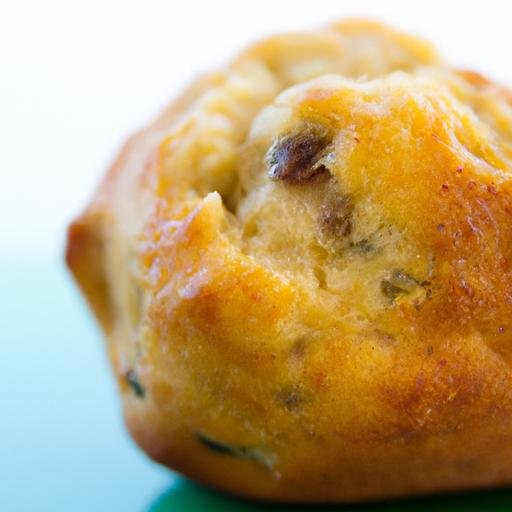



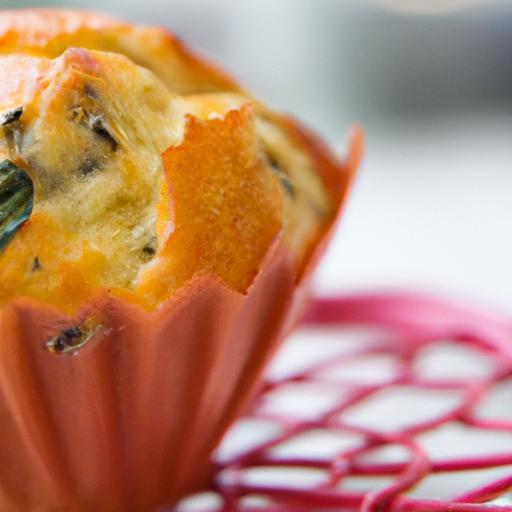
Eggs Unveiled: The magic Behind Muffin Mastery
In the world of baking, few ingredients wield the transformative power of the humble egg. These unassuming ovals are far more then mere additions to a mixing bowl-they are the secret architects behind the perfect muffin’s rise, texture, and flavor. Whether you’re a seasoned baker or a curious kitchen novice, understanding the role eggs play can elevate your muffin-making from simple to sublime. Join us as we crack open the science and artistry of eggs in muffins, revealing the magic that turns basic batter into golden, tender treasures.
Eggs unveiled as the cornerstone ingredient in muffin mastery reveal their multifaceted role in crafting the perfect crumb. From structure to flavor, choosing the right eggs and knowing how to prepare them transforms a simple batter into a light, tender, and moist delight that melts effortlessly on the tongue. Whether you’re an avid home baker or a seasoned pro,understanding these subtle nuances will elevate your muffins from ordinary to exceptional.
Prep and Cook Time
Preparation: 15 minutes
Cooking: 20-25 minutes
Total: 40 minutes
Yield
Makes 12 medium-sized muffins
Difficulty Level
Easy to Medium – Approachable for bakers of all skill levels
Ingredients
- 2 large eggs, at room temperature
- 2 cups all-purpose flour, sifted
- ¾ cup granulated sugar
- 1 tbsp baking powder
- ½ tsp salt
- 1 cup whole milk, lukewarm
- ½ cup unsalted butter, melted and cooled slightly
- 1 tsp pure vanilla extract
- Optional: zest of one lemon or 1 cup fresh berries
Instructions
- Preheat your oven to 375°F (190°C). Line a muffin tin with paper liners or grease the wells lightly with butter.
- Whisk the eggs in a large mixing bowl until radiant and frothy; this aeration is the first secret to a springy muffin crumb.
- Combine dry ingredients-flour, sugar, baking powder, and salt-in a separate bowl. Gently mix to ensure even rising.
- Incorporate the wet ingredients by slowly whisking in the milk, melted butter, and vanilla into the eggs, stirring just until blended. Avoid overmixing to keep your muffins tender.
- Fold the dry ingredients into the wet mixture using a spatula. Stop folding as soon as no dry streaks remain; a slightly lumpy batter is ideal for moist muffins that rise beautifully.
- Gently fold in any optional add-ins like fresh berries or citrus zest to inject bursts of flavor and texture.
- Spoon the batter evenly into your prepared muffin tin, filling each cup about two-thirds full to allow proper expansion.
- Bake for 20 to 25 minutes, or until the tops turn golden and a toothpick inserted in the center comes out clean.
- Cool in the tin for 5 minutes before transferring muffins to a wire rack to prevent sogginess.
Chef’s Notes: Tips for Success
- For a richer flavor, opt for organic or free-range eggs, which often have deeper yolks and fuller taste profiles, directly affecting the final muffin depth.
- room temperature eggs emulsify better in batter, creating tenderness and uniform rise; avoid cold eggs straight from the fridge.
- If you find your muffins turning dense or flat,experiment by adding an extra egg yolk for moisture or separating eggs-whisking whites to soft peaks and folding gently in for added lift.
- Egg substitutes such as flax “eggs” or commercial replacers can work, but expect changes in texture: muffins may be denser or less tender due to missing proteins that create structure and moisture retention.
- For make-ahead convenience, bake muffins fully, cool wholly, then freeze in airtight containers; thaw at room temperature for a near-fresh experience.
Serving Suggestions
Serve your muffins warm with a delicate pat of honeyed butter or a smear of vanilla bean cream cheese. For a touch of elegance, sprinkle with powdered sugar or top with toasted almond slivers. Pair with a robust coffee or calming herbal tea to highlight the muffin’s comforting flavor and texture.
The science of Eggs in Muffins: Balancing Moisture and Rise
Understanding egg content means navigating the balance between moisture and structure.Eggs provide essential proteins that coagulate with heat, stabilizing muffin walls while their fat content enriches the crumb’s softness.Too many eggs can dry out muffins, but too few lead to crumbly, dense results. Precise measurement and quality eggs unlock superior muffin mastery every batch.
| Nutrient | Per Muffin (approx.) |
|---|---|
| Calories | 210 kcal |
| Protein | 5 g |
| carbohydrates | 28 g |
| Fat | 8 g |
For further insights on egg functionality in baking, visit the Egg Nutrition Center, an authoritative source brimming with food science knowledge.

You might also enjoy our detailed guide on The science of Baking with Flour to deepen your ingredient mastery and achieve optimal muffin textures every time.
Q&A
Q&A: eggs Unveiled – The Magic Behind Muffin Mastery
Q1: Why are eggs considered the unsung heroes in muffin recipes?
A1: Eggs are the alchemists of baking – they bring structure, moisture, and a golden tint to muffins. Think of eggs as the glue that binds ingredients, the steam that helps muffins rise, and the silky texture that makes every bite melt in your mouth. Without eggs, muffins would be a crumbly, dull mess!
Q2: How exactly do eggs contribute to the fluffiness of muffins?
A2: When eggs are whisked and baked, their proteins unfold and coagulate, creating a delicate network that traps steam. This steam acts like a leavening agent,puffing up the batter into a light,airy masterpiece. It’s a magical transformation from liquid to fluff - all thanks to eggs.
Q3: Can you explain the role of egg yolks versus egg whites in muffin magic?
A3: Certainly! Egg yolks are the rich, fat-infused players that add moisture, flavor, and a tender crumb to muffins. Meanwhile, egg whites are the lean, protein-packed champions that provide structure and help with leavening. Together, they perform a perfect duet – yolks for richness, whites for lift.
Q4: What happens if you omit eggs from your muffin batter?
A4: Skipping eggs can turn your muffins into dense, crumbly treats lacking in moisture and rise. Eggs don’t just hold the ingredients together; they also trap air and provide that quintessential muffin bounce. Without them, muffins frequently enough loose their quintessential charm - though egg substitutes can sometimes mimic their magic.Q5: How can I make the most of eggs to elevate my muffin game?
A5: Use fresh,room-temperature eggs for optimum emulsifying magic. Whisk the eggs gently with sugar to incorporate air without deflating your batter. And remember, balance is key – too many eggs can make muffins rubbery, too few and you risk structural collapse. Master the egg, and you master the muffin.
Q6: Is there a difference between using whole eggs and just egg yolks or whites in muffins?
A6: Absolutely! Whole eggs offer a harmonious balance of moisture, fat, and protein perfect for most muffins. Using just yolks intensifies richness but can yield a denser texture. Whites alone boost volume and lightness but may dry out the crumb if not balanced with fats. Choosing depends on your desired muffin personality!
Q7: Any creative egg tips for adventurous muffin makers?
A7: Try separating eggs and whipping the whites to soft peaks before folding them into the batter for extra lift and cloud-like texture. For a golden hue and extra silkiness, add an extra yolk. And for an egg-savvy twist, swap in duck eggs – their higher fat content will take your muffins on a flavor and texture adventure!
Q8: Can different egg types affect muffin outcomes?
A8: Yes! chicken eggs are the standard, but using quail or duck eggs can subtly change texture and taste. Duck eggs have more fat and protein, resulting in richer, moister muffins.quail eggs are smaller and can be a funky,delicate substitution. Experimentation is the secret ingredient to muffin mastery.
Unlocking the egg’s secret powers reveals the true artistry in muffin making. Embrace their magic, and soon you’ll be baking muffins that rise to perfection, delight with every crumb, and embody the ultimate comfort in a bite.
The way Forward
As we crack open the secrets behind muffin mastery, one ingredient stands tall-eggs. These unassuming orbs are more than just a binding agent; they are the architects of texture, the alchemists of rise, and the silent partners in flavor harmony. Understanding their role transforms baking from a mere recipe-following task into a creative dance with chemistry. So next time you whisk eggs into your batter, remember: you’re unlocking the magic that turns simple ingredients into a muffin masterpiece. Happy baking!