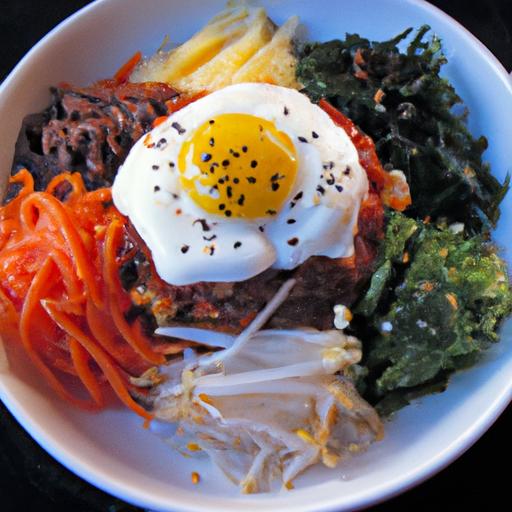



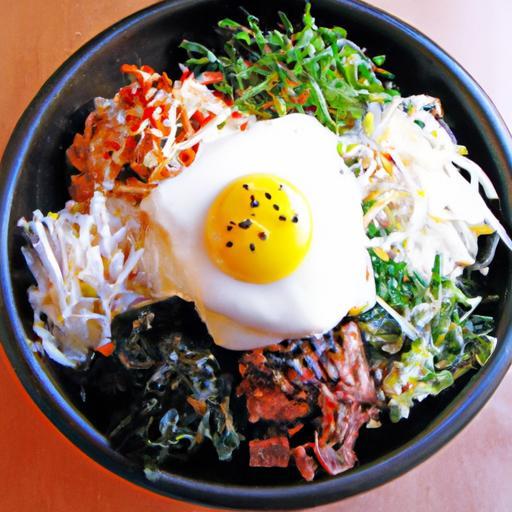
There’s something undeniably magical about a bowl of bibimbap-the vibrant medley of colors, the tantalizing aroma, and the harmonious dance of textures and flavors that come together in every bite. This iconic Korean dish is more than just a meal; it’s a festivity of balance,tradition,and creativity. Whether you’re a seasoned foodie or a curious kitchen adventurer, our ultimate Korean bibimbap recipe is here to guide you through each step, transforming simple ingredients into a culinary masterpiece.get ready to dive into the world of sizzling rice, fresh vegetables, and bold spices, and uncover the secrets behind one of Korea’s most beloved dishes.Let’s embark on this flavorful journey together!
Discover the Ultimate Korean Bibimbap Recipe: Step-by-Step Guide begins with mastering every essential element that makes this beloved dish a vibrant celebration of flavors and textures. originating from Korean royal cuisine,bibimbap is more than just a mixed rice bowl-it’s a harmony of perfectly seasoned vegetables,savory proteins,and a bold,tangy sauce that brings each component to life. My personal journey with bibimbap started when I first encountered its colorful presentation at a traditional market in Seoul, and as then, perfecting it has become a rewarding culinary adventure.
Prep and Cook Time
- Preparation: 30 minutes
- Cooking: 25 minutes
- Total Time: 55 minutes
Yield
Serves 4 hearty portions
Difficulty Level
Medium – ideal for cooks agreeable with multi-component dishes but approachable for persistent beginners
Ingredients
- 2 cups short-grain rice,cooked and warm
- 1 medium carrot,julienned
- 1 cup spinach,blanched and drained
- 1 cup bean sprouts,blanched
- 4 shiitake mushrooms,sliced thinly
- 1/2 cup zucchini,julienned
- 200g (7 oz) ground beef or thinly sliced bulgogi-style beef
- 2 cloves garlic,minced
- 2 teaspoons soy sauce
- 1 tablespoon sesame oil,plus extra for garnish
- 2 eggs (preferably fresh,for frying sunny-side up)
- 1 tablespoon vegetable oil (for cooking vegetables)
- 1 teaspoon sugar
- 2 tablespoons toasted sesame seeds
- Salt and pepper,to taste
- For the sauce:
- 3 tablespoons gochujang (Korean chili paste)
- 1 tablespoon sesame oil
- 1 teaspoon honey or sugar
- 1 teaspoon rice vinegar
- 1 teaspoon water (to thin if needed)
- 1 teaspoon minced garlic
Instructions
- Prepare the rice: Ensure the cooked short-grain rice is warm and fluffy. Set aside within bowls where you will assemble each bibimbap serving.
- Season and cook the vegetables: In a large skillet with vegetable oil over medium heat, sauté the julienned carrot until slightly softened, about 3 minutes. Remove and season lightly with salt.
- Wilt the spinach: Blanch spinach in boiling water for 30 seconds, then rinse in cold water. Squeeze dry, toss with a pinch of salt, 1 teaspoon sesame oil, and 1 minced garlic clove.
- Cook bean sprouts: Blanch in boiling water for 1 minute, drain well, and season with salt, 1 teaspoon sesame oil, and a sprinkle of toasted sesame seeds.
- Sauté shiitake mushrooms: Heat a tablespoon of vegetable oil, cook mushrooms until tender, about 4-5 minutes. Season with 1 teaspoon soy sauce and salt. Remove and set aside.
- Sauté zucchini: In the same pan, cook zucchini juliennes for about 2-3 minutes until tender but still crisp. Season lightly with salt and pepper.
- Cook the beef: In a hot skillet, add minced garlic and ground beef. Cook until browned and fragrant, seasoning with 1 teaspoon soy sauce, 1 teaspoon sugar, and pepper. set aside.
- Fry the eggs: In a non-stick pan, fry eggs sunny-side up until whites are set but yolks remain runny. The golden yolk adds richness and authenticity.
- Make the bibimbap sauce: whisk together gochujang, sesame oil, honey, rice vinegar, minced garlic, and a bit of water until smooth.Adjust heat to taste. This sauce is the heart of the dish, balancing spice, sweetness, and tang.
- Assemble the bowl: Start with a hearty scoop of warm rice in each bowl. Artfully arrange seasoned vegetables and cooked beef in sections on top of the rice. place the fried egg gently in the center.
- Garnish and serve: Drizzle the bibimbap sauce generously across the bowl. Sprinkle toasted sesame seeds and a light drizzle of sesame oil for that nutty aroma. Serve promptly, encouraging everyone to mix thoroughly before eating.
Chef’s Notes: tips for Success
- Vegetable prep: Keep vegetables crisp-tender for textural contrast-avoid overcooking.
- protein swap: Substitute beef with tofu or chicken for varied protein options that still absorb the delicious seasonings.
- Make ahead: Prepare all vegetable components and sauce one day prior. Store separately in the fridge for rapid assembly after reheating rice.
- Rice texture: Short-grain rice is essential for authentic stickiness, facilitating better mixing and mouthfeel.
- Adjust sauce heat: Control spice levels by varying gochujang amount or adding a squeeze of lime juice for brightness.
Serving Suggestions
Present bibimbap in wide, shallow bowls that showcase its vibrant colors. Garnish with thinly sliced seaweed strips (gim) or chopped scallions for added freshness. Traditionally enjoyed with a side of kimchi and warm soup, consider pairing with classic Korean banchan to complete the experience. Encourage diners to mix all ingredients thoroughly at the table, creating a comforting, flavorful bite every time.

| Nutrient | per Serving |
|---|---|
| Calories | 550 kcal |
| Protein | 30 g |
| Carbohydrates | 65 g |
| Fat | 15 g |
For deeper insights into bibimbap’s cultural importance and ingredient sourcing, consider visiting The Korea Times – Bibimbap Heritage.
Q&A
Q&A: Discover the Ultimate Korean Bibimbap Recipe – Step-by-Step Guide
Q1: What exactly is Bibimbap?
A1: Bibimbap,literally meaning “mixed rice,” is a vibrant,hearty Korean dish that combines warm rice with an array of sautéed and seasoned vegetables,marinated meats,a fried egg,and a generous dollop of spicy gochujang (red chili paste). It’s a colorful harmony of textures and flavors,designed to be mixed thoroughly before eating.
Q2: Why is Bibimbap considered the ultimate Korean comfort food?
A2: Beyond its visually stunning presentation, Bibimbap is the epitome of balance-nutritional, aromatic, and textural. It’s comfort on a plate, easy to customize, and embodies the Korean philosophy of harmony in food. Plus, its vibrant ingredients bring satisfaction and nourishment in every bite.
Q3: What ingredients do I need to make authentic Bibimbap at home?
A3: The essentials include steamed white rice, spinach, bean sprouts, zucchini, carrots, shiitake mushrooms, ground beef (or tofu for a vegetarian twist), garlic, sesame oil, soy sauce, a fried egg, and of course, gochujang. Fresh sesame seeds and seaweed strips add the final flourish.
Q4: How do I prepare the vegetables properly for Bibimbap?
A4: each vegetable is cooked separately to retain its unique flavor and texture. Spinach is blanched and seasoned with garlic and sesame oil, bean sprouts lightly boiled and salted, carrots julienned and sautéed, zucchini sliced thinly and stir-fried, mushrooms sautéed with soy sauce for umami depth. This careful prep honors each ingredient’s essence.
Q5: What’s the secret to the perfect Bibimbap sauce?
A5: The magic lies in gochujang, but balancing it with a touch of sesame oil, sugar, and garlic creates a sauce that’s spicy, slightly sweet, and fragrant. Adjust the heat to your liking-it’s the fiery soul that ties the medley together.
Q6: Can I make Bibimbap vegan?
A6: Absolutely! Swap out beef for marinated tofu or tempeh, and simply omit the egg or use a vegan alternative like pan-fried tofu slices. The vibrant veggies and sauce ensure the dish remains just as exciting and delicious.
Q7: how do I assemble and serve Bibimbap like a pro?
A7: start with a warm bowl of steamed rice as your base. Neatly arrange all your cooked vegetables and protein in colorful sections atop the rice. place a golden fried egg in the center, sprinkle with sesame seeds and sliced seaweed, then add a generous spoonful of your gochujang sauce. Mix vigorously and enjoy the explosion of flavors!
Q8: Any tips to elevate my Bibimbap experience?
A8: Serve your Bibimbap sizzling by using a hot stone bowl (dolsot) to get crispy golden rice at the bottom-a textural treat Korean diners love. Also, garnish with fresh herbs like scallions or cilantro for an herbal brightness. Don’t rush the mix-let every ingredient shine.
Q9: Is Bibimbap healthy?
A9: Yes! Bibimbap is packed with nutrient-dense vegetables, lean protein, and complex carbs. The diverse ingredients provide vitamins,minerals,fiber,and antioxidants. Just keep an eye on gochujang quantities,as it can be high in sodium and sugar.
Q10: Where did Bibimbap originate, and how has it evolved?
A10: Bibimbap has roots dating back to the Joseon Dynasty, originally a way to use leftover side dishes mixed with rice. Over centuries, it evolved into a celebrated dish representing balance and harmony. Today, it’s enjoyed worldwide with endless creative variations, from seafood to vegan delights.
Ready to embark on your culinary journey? Follow our step-by-step guide and bring the vibrant soul of Korea right to your kitchen with the ultimate Bibimbap!
Wrapping Up
As you’ve journeyed through each vibrant layer of this ultimate Korean bibimbap recipe, you’ve not only unlocked the secrets of a beloved dish but also embraced a feast for the senses. With crisp vegetables, savory sauces, and perfectly seasoned rice coming together in harmonious balance, bibimbap invites you to customize and create your own flavorful masterpiece. Whether you’re a seasoned home cook or a curious food adventurer, this step-by-step guide empowers you to bring a taste of korea’s culinary heritage into your kitchen. So gather your ingredients, ignite your passion, and let each colorful bite remind you that great food is more than nourishment-it’s a celebration. Happy cooking,and may your bibimbap always be as bold and luminous as the culture that inspired it!