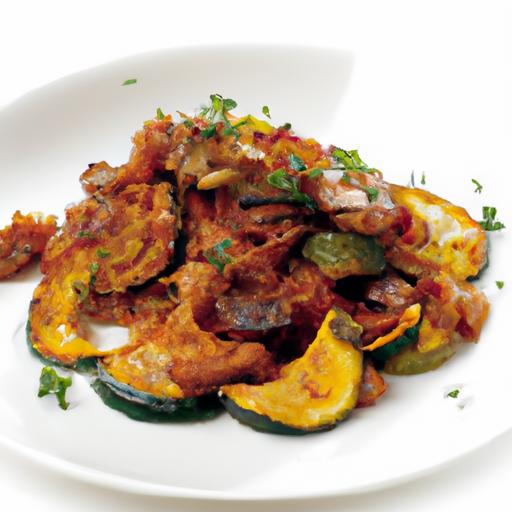



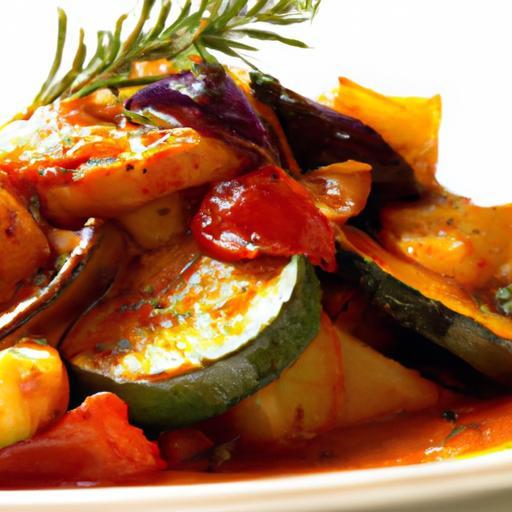
Beneath the vibrant tapestry of sun-ripened vegetables lies a culinary treasure that has captured the hearts and palates of food lovers worldwide: French ratatouille. But beyond the colorful medley of zucchini, eggplant, and tomatoes, ther’s a secret-a time-honored technique and authentic touch-that transforms this humble Provençal dish from a simple stew into a symphony of flavor. Join us as we peel back the layers to reveal the true essence of an authentic French ratatouille recipe, inviting you to experience the soulful heritage of Provence with every bite.
Discover the secret to an authentic French ratatouille recipe begins with understanding the rich history, vibrant seasonal vegetables, and carefully honed cooking techniques that have shaped this iconic Provencal dish. Originating from the sun-drenched gardens of southern France, ratatouille has long been cherished as both a humble farmer’s meal and an elegant festivity of Mediterranean produce.Its layers of tender zucchini, fragrant tomatoes, earthy eggplants, and sweet peppers meld together slowly, creating a tapestry of flavors that sing with every bite.
Prep and Cook Time
- Preparation: 30 minutes
- cooking: 1 hour 15 minutes
- Total Time: 1 hour 45 minutes
Yield
- Serves: 6 generous portions
Difficulty Level
- Medium – Excellent for home cooks ready to explore layering and slow cooking techniques
Ingredients
- 2 medium eggplants, sliced into 1/4-inch rounds
- 3 medium zucchinis, sliced into 1/4-inch rounds
- 4 ripe tomatoes, thinly sliced
- 2 red bell peppers, seeded and thinly sliced
- 2 yellow bell peppers, seeded and thinly sliced
- 1 large onion, finely chopped
- 4 cloves garlic, minced
- 1/4 cup extra virgin olive oil, plus more for drizzling
- 2 teaspoons fresh thyme leaves
- 1 teaspoon fresh rosemary, finely chopped
- Salt and freshly ground black pepper to taste
- Fresh basil leaves, for garnish
Instructions
- Prepare the vegetable base: In a large skillet, heat 2 tablespoons of olive oil over medium heat.Add the chopped onion and sauté until translucent, about 5 minutes.
- Add garlic and herbs: Stir in the minced garlic,thyme,and rosemary. Cook for another 1-2 minutes until fragrant but not browned.
- Cook peppers: Toss in the sliced bell peppers, cooking for about 7 minutes until softened but still vibrant. Season lightly with salt and pepper.
- Slowly layer the ratatouille: Spread the pepper and onion mixture evenly in the bottom of a large baking dish. Alternating and overlapping the eggplant, zucchini, and tomato slices, arrange them in concentric circles or rows, creating an inviting mosaic of colors and textures.
- Drizzle and season: Drizzle the remaining 2 tablespoons of olive oil over the layered vegetables. Season generously with salt and pepper to enhance each flavor note.
- Cover and bake: Cover the dish tightly with parchment paper followed by aluminum foil to lock in moisture. Bake at 375°F (190°C) for 1 hour to 1 hour 15 minutes until vegetables are tender and infused with herbaceous aroma.
- Finish and rest: Remove the foil and parchment, allowing the top to lightly caramelize for 5-10 minutes. Let the ratatouille rest for 10 minutes before serving to deepen flavors.
Chef’s Notes: Tips for Success
- Choosing vegetables: Slightly firm, ripe vegetables that hold shape provide the best texture after slow cooking. Avoid overripe zucchini or tomatoes that break down too much.
- Make-ahead magic: ratatouille tastes even better the next day. Prepare it in advance and gently reheat before serving.
- Layering technique: The key to unlocking rich flavor lies in the careful layering; overlapping slices keeps moisture trapped so vegetables steam but don’t mush.
- Herb variations: Fresh tarragon or oregano can be used to give fascinating twists without overpowering the dish.
- Lighten it up: For a sautéed version,cook all vegetables separately to preserve their unique tastes and combine at the end with herbs and olive oil.
Serving Suggestions
Serve this stunning French classic warm, garnished with fresh basil leaves and a drizzle of high-quality olive oil to enhance the fruity sweetness. Ratatouille shines alongside crusty French baguette, fluffy polenta, or even as a hearty vegetarian main with a side of herbed quinoa. For authentic pairing, pour a chilled glass of dry rosé or a light-bodied red wine such as Côtes du Rhône. A sprinkle of freshly grated Parmesan or crumbled goat cheese adds luxurious depth, but the dish is perfectly delightful on its own.

| Nutrient | per Serving |
|---|---|
| Calories | 150 kcal |
| Protein | 3 g |
| Carbohydrates | 20 g |
| Fat | 7 g |
For a deeper dive into classic Provençal cuisine and to complement your ratatouille skills,check out our guide on classic provençal herb blends. To explore the historical roots of ratatouille, visit the authoritative Encyclopaedia Britannica ratatouille entry.
Q&A
Q&A: Discover the Secret to an Authentic French Ratatouille Recipe
Q: What makes an authentic French ratatouille different from other vegetable stews?
A: At its heart, authentic french ratatouille is a celebration of simple, fresh vegetables-eggplant, zucchini, bell peppers, tomatoes, onions, and garlic-simmered slowly in olive oil to create harmony rather than just a medley. Unlike many stews, ratatouille emphasizes layering flavors and textures patiently, allowing each ingredient to shine without overpowering the others.
Q: Is there a secret ingredient that gives traditional ratatouille its signature taste?
A: The “secret” isn’t a rare spice or exotic herb but time and technique. Using fresh herbs like thyme, bay leaves, and basil, combined with high-quality olive oil, and letting vegetables cook gently over low heat for hours, reveals the authentic depth of flavor. Some chefs swear by adding a splash of vinegar or a pinch of sugar to balance acidity, but the core secret is love and patience.
Q: Should the vegetables be chopped or sliced for the authentic recipe?
A: Traditionally, the vegetables are roughly chopped into bite-sized pieces to create a rustic texture that feels like Provençal summer on your plate. However, the famous “confit byaldi” presentation-where vegetables are thinly sliced and layered like a colorful mosaic-is a modern artistic twist inspired by ratatouille but not the classic approach.
Q: Can I use canned tomatoes, or do I need fresh ones?
A: Fresh, ripe tomatoes are preferred for authenticity because they bring a natural sweetness and brightness, crucial to capturing that summery essence. If fresh tomatoes aren’t available, canned San Marzano tomatoes work well as a reliable substitute.
Q: How crucial is the cooking method? Can I use a slow cooker or instant pot?
A: Traditional ratatouille is made on the stovetop, where you can control the heat and stir gently, ensuring the vegetables soften beautifully without becoming mushy. slow cookers or instant pots might rush the melding of flavors but can lack the delicate balance achieved by attentive stovetop simmering.
Q: What’s the best way to serve an authentic ratatouille?
A: ratatouille shines as a side dish to grilled meats or fish, but it’s equally fantastic as a main vegetarian course served with crusty French bread or fluffy rice. It’s frequently enough enjoyed warm or at room temperature-both bring out different nuances of its rich, savory-sweet personality.
Q: Any tips for sourcing ingredients to keep it authentic?
A: Aim for fresh, seasonal vegetables, ideally from a local market or farmers’ stand. Using high-quality extra virgin olive oil and fresh herbs from your garden or trusted source will elevate your ratatouille from just good to authentically French.
Q: How can I avoid the common mistake of ending up with a soggy ratatouille?
A: One classic trick is to cook vegetables separately at first, allowing each to retain its texture and flavor before combining them to simmer together briefly. This prevents the dish from turning into a single, mushy mass and honors each vegetable’s character.
By understanding these secrets and techniques, you’re well on your way to crafting a ratatouille that tastes like a sunny afternoon in Provence-comforting, vibrant, and undeniably authentic. Bon appétit!
Key Takeaways
as you embark on your culinary journey to recreate this authentic French ratatouille, remember that the secret lies not just in the ingredients or the technique, but in the love and patience you infuse into every simmering layer. By honoring tradition while embracing simplicity, you unlock a timeless dish that sings of sun-drenched Provence and rustic charm. So, gather your freshest harvest, embrace the slow rhythm of cooking, and let this vibrant medley of flavors transport you to the heart of France-one delicious bite at a time. Bon appétit!