


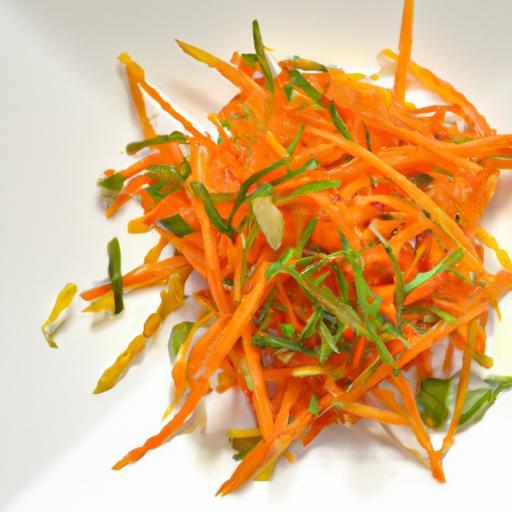
In the vibrant tapestry of Vietnamese cuisine,few ingredients offer as much bright,crunchy delight as pickled daikon carrots. These crisp, tangy strips are more than just a condiment-they are a festivity of balance and tradition, a harmonious blend of sweet, sour, and savory notes that awaken the palate wiht every bite. Known locally as đồ chua, this colorful pickle is a testament to the artful simplicity that defines much of Vietnam’s culinary heritage. From bustling street food stalls to home-cooked family feasts, pickled daikon carrots add a refreshing zing that elevates dishes from banh mi sandwiches to noodle salads. Join us as we explore the history, technique, and cultural importance behind this iconic Vietnamese staple, uncovering the secrets that transform humble vegetables into a symphony of flavor.
Crisp & Tangy Vietnamese Pickled Daikon Carrots offers an irresistible dance of flavors that has enchanted palates around the world. This vibrant condiment, rooted in Vietnamese street food culture, effortlessly marries the refreshing crunch of fresh vegetables with the perfect balance of sweetness and acidity. Each bite unfolds a symphony of tangy notes, subtle spice, and a textural brightness that elevates everything from bánh mì sandwiches to noodle bowls and spring rolls.
Prep and Cook Time
- Planning: 20 minutes
- Resting Time: Minimum 24 hours for optimal flavor
- Total Time: Approximately 1 day (including marination)
Yield
Approximately 4 cups,serving 6-8 people as a flavorful side or topping.
Difficulty Level
Easy – perfect for home cooks at any skill level seeking to master an authentic Vietnamese staple.
Essential Ingredients for authentic Pickling
- 2 cups daikon radish, peeled and julienned (about 1 medium daikon)
- 2 cups carrots, peeled and julienned (about 3 medium carrots)
- 1 ½ cups white vinegar (for bright acidity)
- 1 cup water
- 1 cup granulated sugar (balances acidity with sweetness)
- 1 tablespoon kosher salt (for brine clarity and flavor)
- 1-2 cloves garlic, thinly sliced (optional, for aromatic depth)
- 1 small dried chili (optional, for subtle heat)
Mastering the Perfect Balance of Sweetness and Acidity
- Prepare the Vegetables: Place the julienned daikon and carrots into a large bowl. Lightly toss with kosher salt and let sit for 15 minutes to draw out excess moisture, ensuring crispness and longevity.
- Make the Pickling Brine: In a medium saucepan over medium heat, combine white vinegar, water, and granulated sugar. Stir until sugar dissolves entirely, then remove from heat to cool to room temperature.
- Rinse and Drain: Rinse salted vegetables thoroughly under cold water to remove excess salt,then drain well. Use a clean kitchen towel to gently squeeze out additional moisture without crushing the vegetables.
- Pack Jars: layer the daikon and carrots tightly but gently into sterilized jars. Add sliced garlic and dried chili if using, distributing evenly for flavor bursts.
- Pour and Seal: pour the cooled brine over the vegetables, making sure everything is fully submerged. Seal the jars with lids and refrigerate.
- rest and Develop: Allow the pickles to rest for at least 24 hours before tasting, giving the flavors time to meld beautifully.
Tips and Tricks for Long-Lasting Crispness and Vibrant Color
- Use fresh, firm daikon and carrots; avoid those with soft spots or discoloration for the best texture and appearance.
- Salting the vegetables before pickling helps retain their crunch and removes excess water; don’t skip this step.
- Cool the brining liquid before pouring to prevent wilting and color loss.
- Store pickled vegetables in the coldest part of the fridge to maximize shelf life and maintain crispness for up to 3 weeks.
- for brighter color, briefly blanch carrots before slicing-but be careful not to overcook.
Serving Suggestions
This versatile condiment effortlessly brightens every dish it accompanies. Try it nestled inside a classic bánh mì sandwich,tossed atop rice noodle bowls,or served alongside grilled meats and tofu for a refreshing crunch. garnish with finely chopped cilantro, fresh mint, or toasted sesame seeds to amplify the herbaceous notes and add even more texture contrast.
| Nutritional Data (per 1/2 cup) | Calories | Protein | Carbohydrates | Fat |
|---|---|---|---|---|
| Pickled Daikon Carrots | 70 | 1g | 18g | 0g |
Chef’s Notes
- For a deeper umami note, add a splash of fish sauce to the brine-typical in conventional Vietnamese recipes.
- Adjust sugar and vinegar ratios based on your taste preferences; some prefer a sharper acidity while others enjoy a sweeter balance.
- Experiment with adding thinly sliced ginger or lemongrass for added aromatic complexity.
- This recipe is a wonderful make-ahead condiment; it tastes better as it ages and is a stylish gift when jarred beautifully.
For further reading on the science behind pickling and preserving flavors, visit Serious Eats’ definitive guide.

Q&A
Q&A: Crisp & Tangy – The Art of Vietnamese Pickled Daikon Carrots
Q1: What makes Vietnamese pickled daikon carrots so special?
Vietnamese pickled daikon carrots, known as đồ chua, are a harmonious blend of crisp texture and bright tanginess that awaken the palate. They’re more than just a condiment-they’re a cultural staple that balance rich, savory dishes with a refreshing crunch. The magic lies in the simple yet precise pickling process that transforms humble root vegetables into vibrant bursts of flavor.
Q2: Why do Vietnamese cooks pair daikon and carrots together?
Daikon and carrots create a dynamic duo: daikon brings a mild, slightly peppery crunch while carrots add a subtle sweetness and vivid orange hue. Together, they form a colorful medley that’s visually appealing and texturally satisfying. The combination ensures a harmonious blend of flavors that elevate any meal, from bánh mì sandwiches to grilled meats.
Q3: How is the pickling liquid made to achieve that iconic crispness and tang?
The pickling brine typically balances sugar, vinegar, and salt-a trifecta that ensures the vegetables remain crisp yet develop that signature sharp tang. Rice vinegar is preferred for its gentle acidity and subtle complexity. The sugar tempers the vinegar’s bite, creating a sweet-sour dance, while salt enhances overall flavor and preserves the vegetables’ snap.
Q4: Can you describe the step-by-step artistry involved in making đồ chua?
Certainly! First, daikon and carrots are peeled and julienned into uniform sticks. Then they’re lightly salted and left to sweat, which draws out excess moisture and preserves crunch. Meanwhile, the brine is prepared by dissolving sugar and salt in vinegar with a splash of water. Once the veggies are drained, they’re immersed in the brine and left to marinate-typically overnight or longer-allowing flavors to meld and develop. The result is that perfect balance of sweet,sour,and textural snap.
Q5: How does đồ chua enhance Vietnamese dishes beyond just flavor?
Đồ chua serves as a brightness that cuts through fatty and savory elements, cleansing the palate between bites. Its acidity invigorates richer dishes, adding dimension and balance.Visually, its vibrant orange and white strands add contrast and freshness. It’s a small addition with a big impact, turning everyday meals into memorable experiences.Q6: Are there regional or personal variations in Vietnamese pickled daikon carrots?
Absolutely! Some regions may incorporate garlic,chili,or even a dash of fish sauce for an umami twist. The length of pickling also varies-some prefer a quick soak for crispness, others opt for longer fermentation for tangier depth.Homemade recipes frequently enough carry family secrets,subtly adjusting ratios and ingredients to suit personal taste.
Q7: Can you enjoy đồ chua outside of traditional Vietnamese cuisine?
Definitely! its crisp, tangy profile pairs beautifully with grilled seafood, roasted meats, and even vegetarian dishes. Use it as a zesty topping on tacos, a vibrant salad ingredient, or a crunchy side to sandwiches. The versatility of đồ chua makes it a global ambassador of Vietnamese culinary art.
Q8: What’s the best way to store Vietnamese pickled daikon carrots?
for optimal freshness and crunch, keep đồ chua refrigerated in a sealed jar. It typically lasts up to two weeks but is best enjoyed within the first few days to savor its peak texture and flavor. The pickling brine continues to infuse the veggies over time, so taste periodically and enjoy the evolving tang.
Q9: Any tips for beginners attempting to make Vietnamese pickled daikon carrots at home?
Patience and precision are key! Cut vegetables evenly for consistent texture, don’t rush the salting step, and taste your brine before immersing the veggies-adjust sugar and vinegar to suit your palate. And remember, pickling is both science and art; your first batch is just the beginning of a delicious exploration.
Q10: Why does đồ chua hold such cultural significance in Vietnamese food?
Beyond flavor, đồ chua embodies the Vietnamese philosophy of balance-between sweet and sour, soft and crisp, simplicity and complexity. It’s a humble component that reflects centuries of culinary wisdom, connecting people through shared meals and memories. In every bite, you taste not just pickled vegetables, but tradition and heart.
In Retrospect
In the symphony of Vietnamese cuisine, pickled daikon carrots hold a vibrant, tangy note that elevates every dish they touch. Mastering the art of this crisp and zesty condiment is more than just following a recipe-it’s about embracing a tradition that balances sweetness, acidity, and crunch in perfect harmony. Whether tucked into a bánh mì sandwich or served alongside a hearty bowl of pho, these pickled gems invite your palate on a journey rich with flavor and history. So next time you crave a bright, refreshing bite, remember the humble daikon and carrot-pickled with care, bursting with life, and ready to transform your culinary creations into a celebration of Vietnamese craftsmanship.